How far are we from lab-grown and animal organs for transplant?
Bladders grown from patients' own cells were implanted in seven children with spina bifida, with results reported in 2006. Gene-edited pig kidneys have entered the EXPAND clinical trial, and the first trial transplant was performed on 3 November 2025. No lab-grown solid organ such as a kidney, liver or heart has been reported in a patient in the sources reviewed.
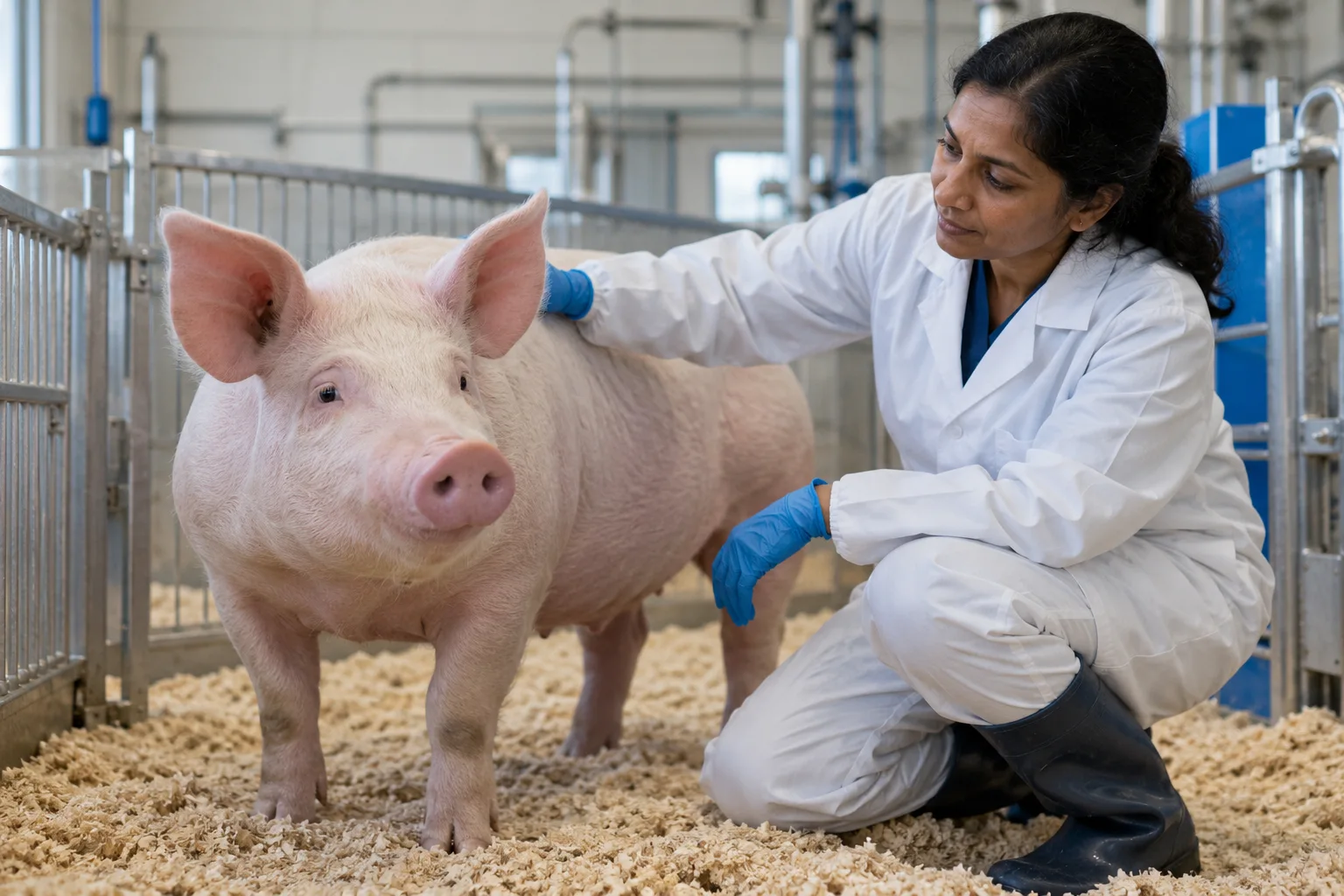
Close. Early pilots are running in the real world.
Pilot stage fits the evidence. Lab-grown bladders were implanted in seven children and reported in 2006, and a formal trial of gene-edited pig kidneys has begun with an initial cohort of about six people. Neither approach is approved for routine use, and no lab-grown solid organ beyond the bladder has been reported in a patient in the sources reviewed.
The tech tree
Everything recorded on Vrulum that this future needs, oldest foundations at the top and the goal at the bottom. Lines show what each step requires.
- 1985Organ and tissue cryopreservationResearch and prototypes Being researched.
- 2010Organ-on-a-chipPilot and early commercial Unlocked.
- 2021Gene-edited pig organ xenotransplantationResearch and prototypes Being researched.
- 2006Lab-grown bladders implanted in patientsDone Unlocked.
- 2025Organ-on-chip data accepted in drug safety submissionsIn progress Being researched.
- 2025First transplant in the EXPAND trialDone Unlocked.
- Date not recordedGene-edited pig kidneys used in individual patientsDone Unlocked.
- Date not recordedSafety and graft function data from the EXPAND trialIn progress Being researched.
- Date not recordedLab-grown solid organ other than bladder implanted in a patientNot started Locked.
- Date not recordedRegulatory approval of a pig kidney for patientsNot started Locked.
- Date not recordedRoutine use of lab-grown or animal organs across health systemsNot started Locked.
- GoalLab-grown and animal organs for transplantGoalRequires: Gene-edited pig organ xenotransplantation, Organ-on-a-chip, Organ and tissue cryopreservation, Lab-grown bladders implanted in patients, Gene-edited pig kidneys used in individual patients, First transplant in the EXPAND trial, Safety and graft function data from the EXPAND trial, Organ-on-chip data accepted in drug safety submissions, Lab-grown solid organ other than bladder implanted in a patient, Regulatory approval of a pig kidney for patients, Routine use of lab-grown or animal organs across health systems. Locked.
The road so far
3 of 8 steps done, 2 in progress.
- Done · 4 Apr 2006Lab-grown bladders implanted in patients
Seven children with spina bifida received bladder structures grown from their own cells, which were sewn onto their own bladders. The results were reported in Nature news on 4 April 2006, which covers the Lancet study by Atala et al. The team tracked the patients for several years. [1]
- DoneGene-edited pig kidneys used in individual patients
Pig kidneys were transplanted into living people in individual cases before a formal trial. The Nashan editorial reports that a Massachusetts General Hospital recipient survived 271 days, which it describes as the longest reported pig-to-human kidney xenotransplant survival. The editorial cites press reporting for this figure. [2]
- Done · 3 Nov 2025First transplant in the EXPAND trial
The first EXPAND transplant was performed at NYU Langone Health on 3 November 2025. [2]
- In progressSafety and graft function data from the EXPAND trial
The initial cohort is about six people, with planned expansion to about 50 after safety review. Primary endpoints are graft survival and function, patient survival and acute rejection. The editorial reports no trial outcomes. [2]
- In progress · 10 Apr 2025Organ-on-chip data accepted in drug safety submissions
The FDA's April 2025 roadmap says its approach takes effect immediately for investigational new drug applications, which it encourages to include non-animal data. The FDA says it will promote organoids and organ-on-a-chip systems. Guidance updates were to roll out in phases, and a pilot program was planned for monoclonal antibody developers. A 2025 review states that formal validation frameworks for organ-on-chip systems are still in their infancy. [3][4]
- Not startedLab-grown solid organ other than bladder implanted in a patient
No lab-grown kidney, liver or heart transplanted into a patient is reported in the sources reviewed.
- Not startedRegulatory approval of a pig kidney for patients
The editorial says EXPAND data are expected to inform regulatory strategy toward a Biologics License Application. No approval has been granted in the sources reviewed. [2]
- Not startedRoutine use of lab-grown or animal organs across health systems
Neither approach is in routine use. Wider use would need approvals, manufacturing at scale and evidence of long-term graft survival.
Why it matters
Many people with organ failure wait a long time for a donor organ, and some never receive one. Lab-grown organs and animal organs could add to the supply and avoid some of the wait. Their use would also raise questions about animal welfare, infection risk, consent and who gets access.
What stands in the way
- Acute rejection of pig organs is a primary endpoint of the EXPAND trial, which shows it is a key barrier.
- Pig organs carry a risk of animal viruses passing to people, which the trial monitors as a zoonotic risk.
- Only small numbers of patients have been treated, so long-term graft survival is not yet known.
- Organ-on-chip models lack formal validation frameworks, harmonized data formats and performance benchmarks, according to a 2025 review.
Signals to watch
- Published EXPAND results on graft survival and function.
- Outcome reports from other pig kidney or heart trials with comparison groups or larger cohorts.
- A lab-grown solid organ, beyond bladder, placed in a human patient in a published study.
- FDA guidance on how organ-on-a-chip data can be used in investigational new drug applications.
- Standardised validation frameworks for organ-on-a-chip devices and readouts.
Sources
- news
Scientists grow bladder replacement in lab
Helen Pearson. Nature (news), 4 Apr 2006. - other
The First Clinical Renal Xenotransplantation Study (EXPAND): Evaluating Safety, Function, and Zoonotic Risks
Björn Nashan. Health Care Science, 4 Dec 2025. - government report
FDA Announces Plan to Phase Out Animal Testing Requirement for Monoclonal Antibodies and Other Drugs
U.S. Food and Drug Administration, 10 Apr 2025. - review article
Organ-on-a-Chip: A Roadmap for Translational Research in Human and Veterinary Medicine
Surina Surina, Aleksandra Chmielewska, Barbara Pratscher et al.. International Journal of Molecular Sciences, 5 Nov 2025.
Last reviewed 21 Oct 2026.