Biotechnology and synthetic biology
Engineering cells, enzymes and biological systems.
Technology profiles
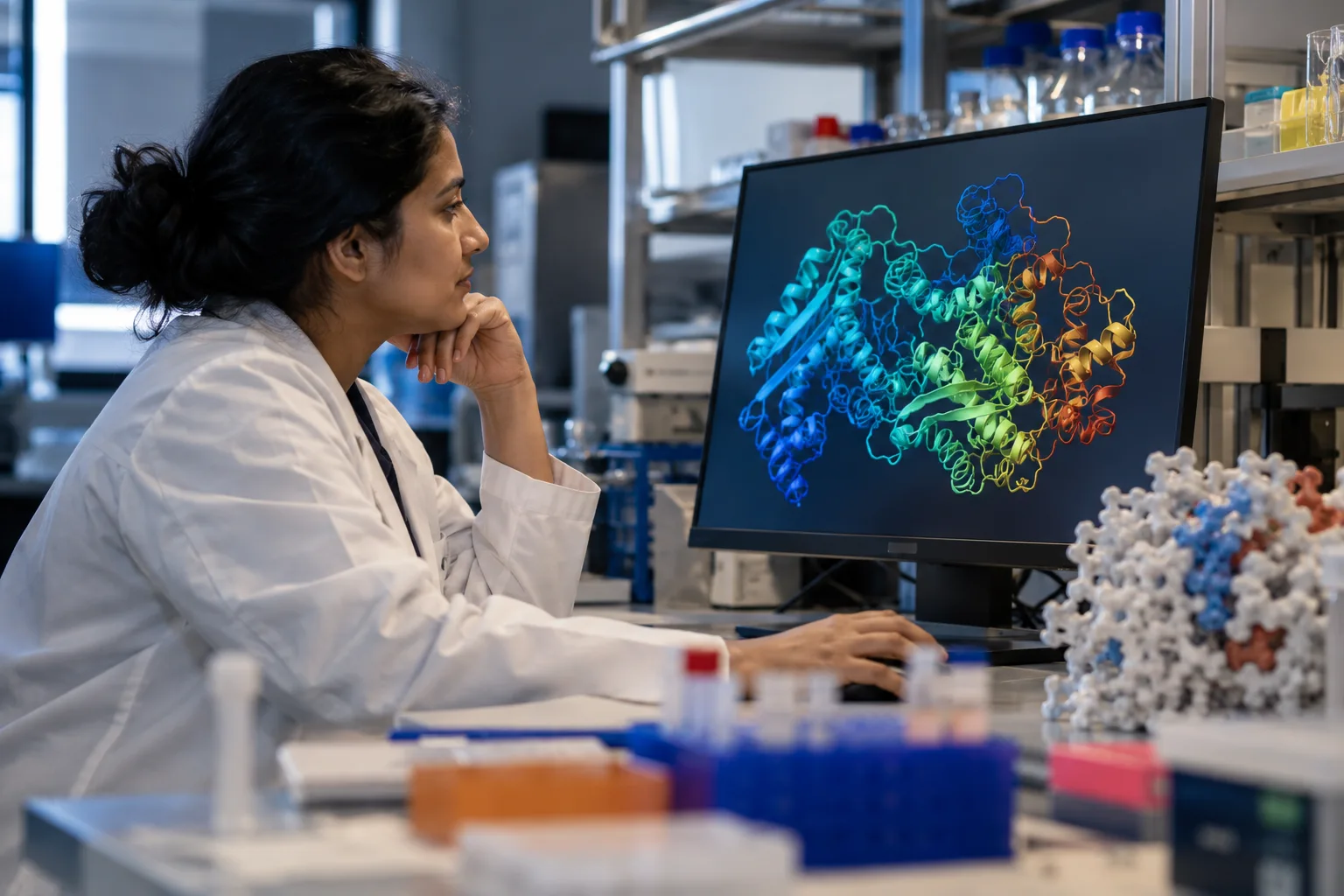
AI protein structure prediction
AI systems can now predict the three-dimensional shape of many proteins from their amino acid sequence, often with accuracy close to experimental methods. The clearest evidence is for single proteins. Accuracy for flexible proteins, complexes and proteins with few known relatives is less well established.
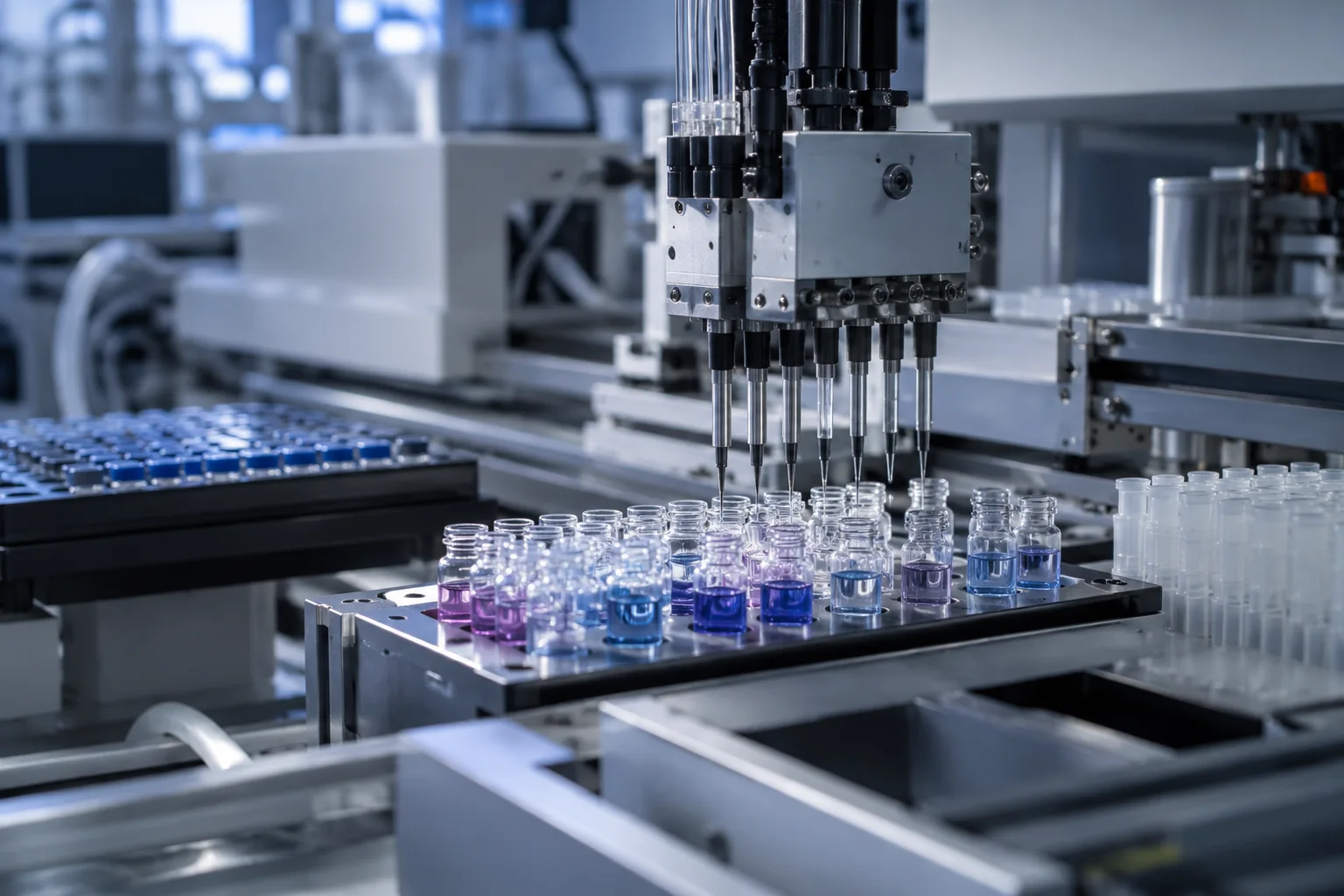
Autonomous laboratories
Autonomous laboratories combine automated instruments with software that selects or adapts experiments based on measured results. Research platforms have demonstrated this approach in catalyst discovery, nanoparticle synthesis, inorganic powder synthesis, multi-step fluidic chemistry, protein engineering, exploratory chemistry and optical-material screening. Their autonomy is bounded by human-defined objectives, selected candidate spaces, configured instruments and validation requirements; the examples do not show general-purpose laboratories that independently choose and verify any scientific question.
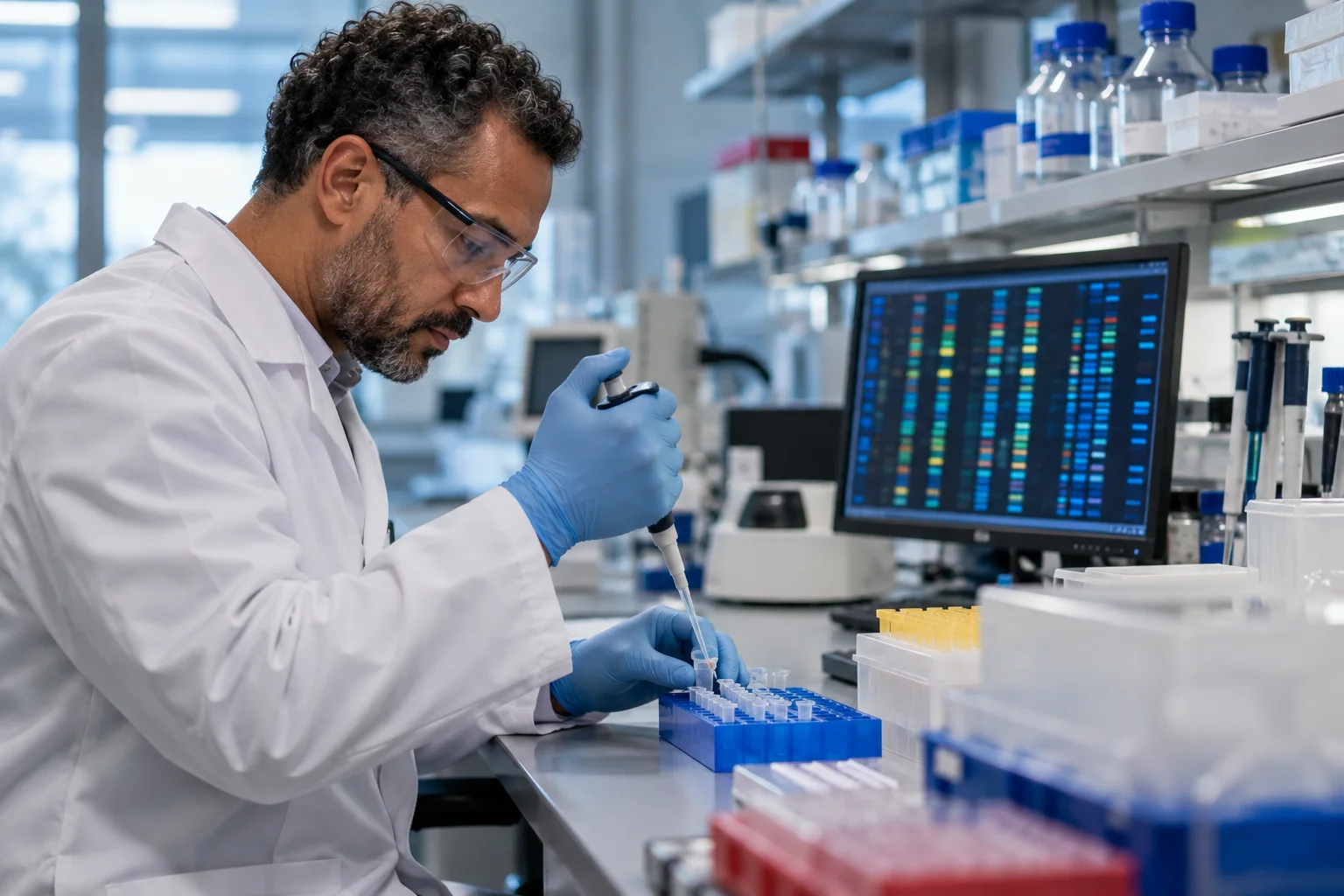
Base and prime gene editing
Base and prime editors change individual letters of DNA, or replace short stretches, without cutting through both strands of the double helix. Clinical use is at an early stage, with published reports covering very small numbers of people.
Brain organoids
Brain organoids are small three-dimensional clumps of brain-like tissue grown from human stem cells. They are used to model brain development and disease, and some have been transplanted into rat brains, but they remain small, lack blood vessels and do not yet show the learning that 'organoid intelligence' proposals describe.
Crops with boosted photosynthesis
Plant scientists are engineering crops to waste less light energy and carbon, either by recovering faster from the protective heat release that follows shade or by bypassing photorespiration. Several replicated field trials report yield or biomass gains, but the soybean yield result is disputed and no independent multi-site replication is confirmed in the sources reviewed.
Cryonics
Postmortem preservation with the hope of future revival. No human revival has been demonstrated. A detailed article separates that speculative goal from demonstrated organ and neural-tissue research, including results published in 2025 and 2026.
Cultivated meat
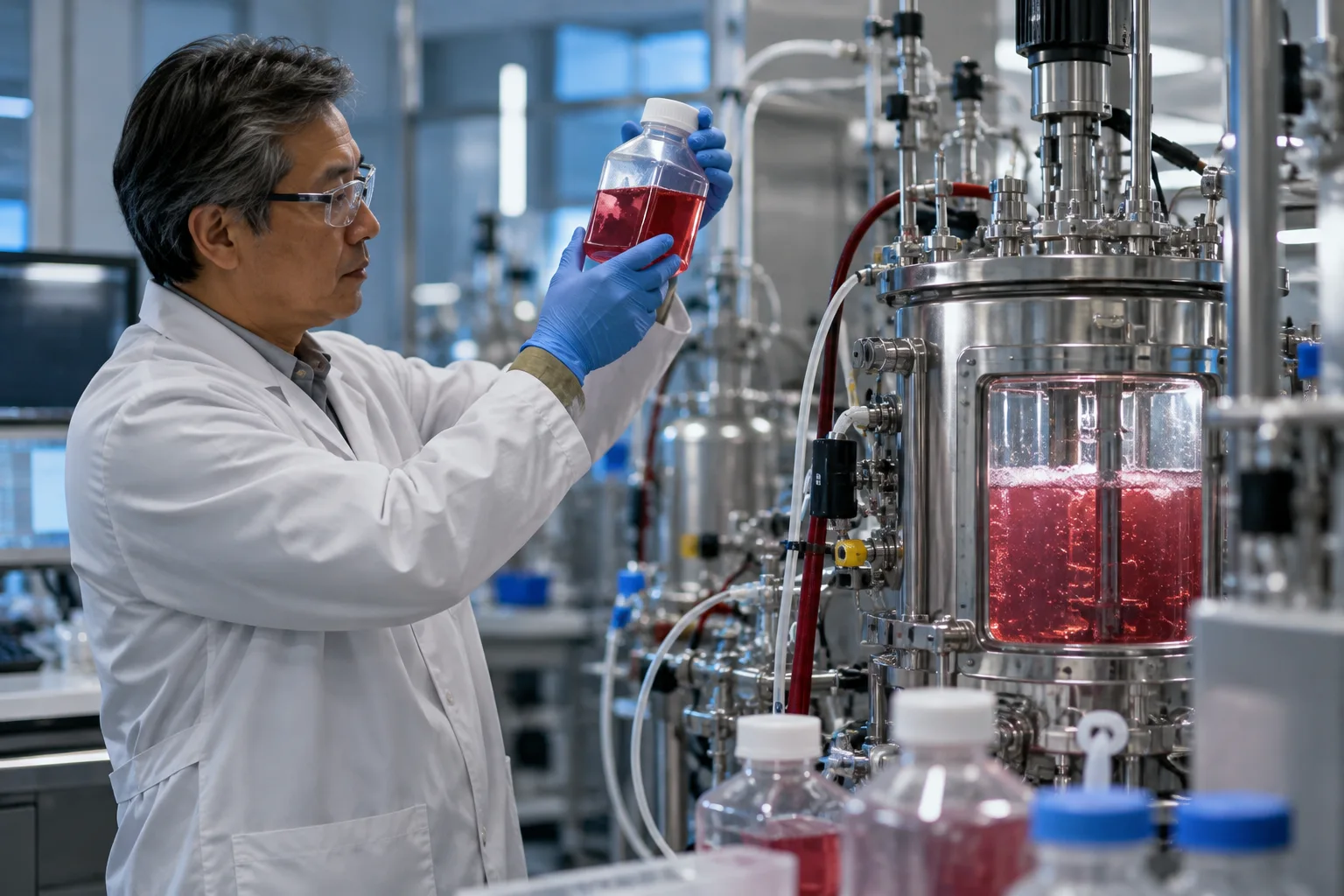
Cultivated meat is produced by growing animal cells in bioreactors instead of raising whole animals. US, UK, and Australian and New Zealand regulators have started product-specific reviews, but high culture media costs and the need for structures to support thick tissue remain major hurdles.
DNA data storage
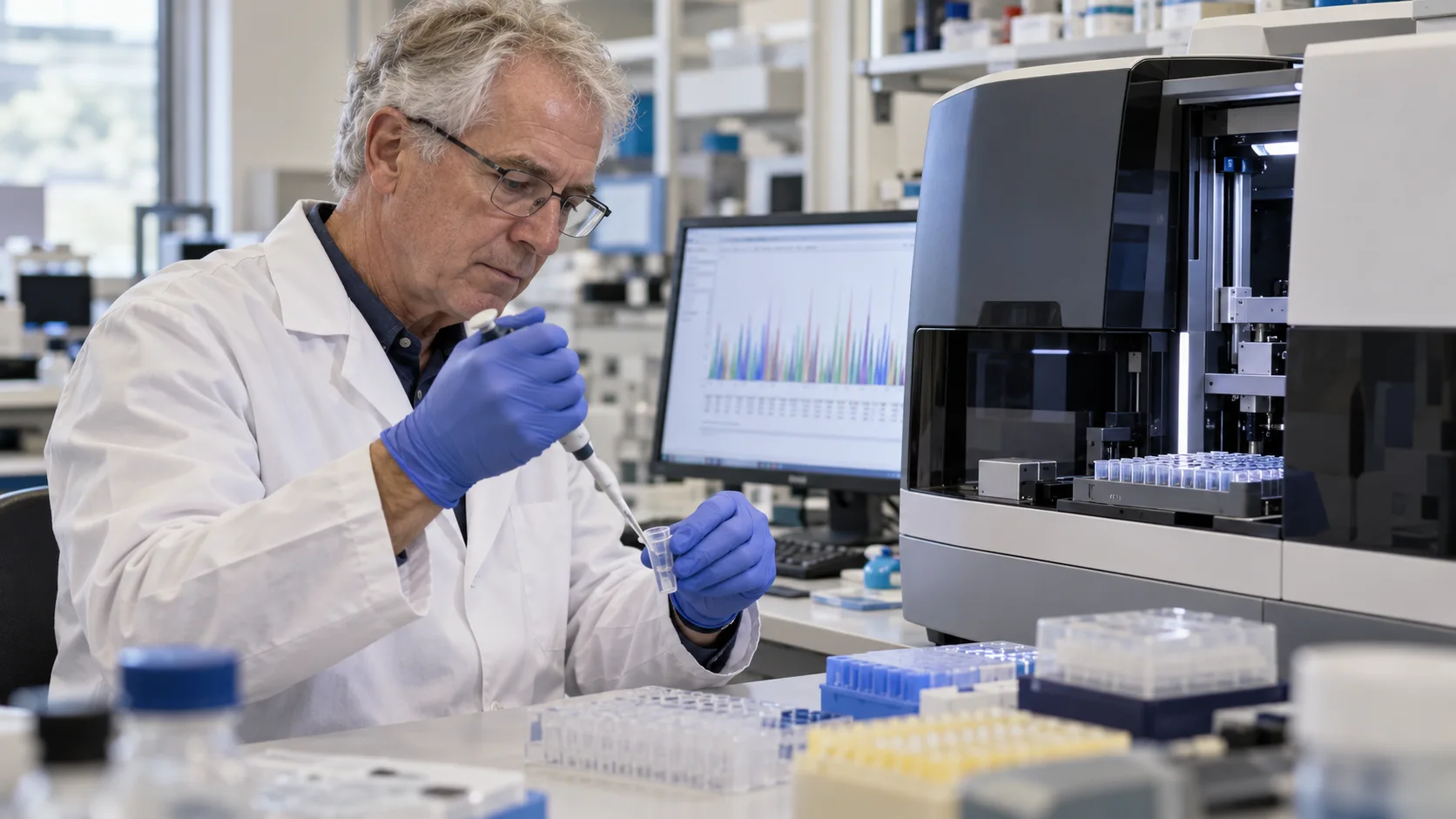
DNA data storage encodes digital files in synthetic DNA sequences, then reads them with sequencing. DNA is extremely dense and can remain stable for long periods when stored well, but writing and reading remain slower and more expensive than electronic storage. In 2026, researchers reported advances in composite-letter coding and a codec tested in vitro and in living cells. These studies address parts of the system, not the cost and throughput of a complete archival service.

DNA nanotechnology and DNA origami
DNA nanotechnology uses the way DNA strands pair up to build tiny shapes and devices. DNA origami folds one long DNA strand into a chosen shape with the help of many short 'staple' strands, and researchers have used the method to make nanoscale patterns and three-dimensional objects.
Engineered living materials
Engineered living materials are materials made with the help of living cells or the structures they produce. A 2024 laboratory study made a stretchable, compostable film from engineered bacterial protein fibres, but the work is at prototype stage and does not show a product that can replace plastic.
Engineered living therapeutics
Engineered living therapeutics use genetically modified microbes, mainly bacteria, to make a therapeutic molecule and release it near the disease site. Several candidates have reached early human studies, but the clinical evidence is small and most results still come from cell and animal experiments.
Environmental DNA monitoring
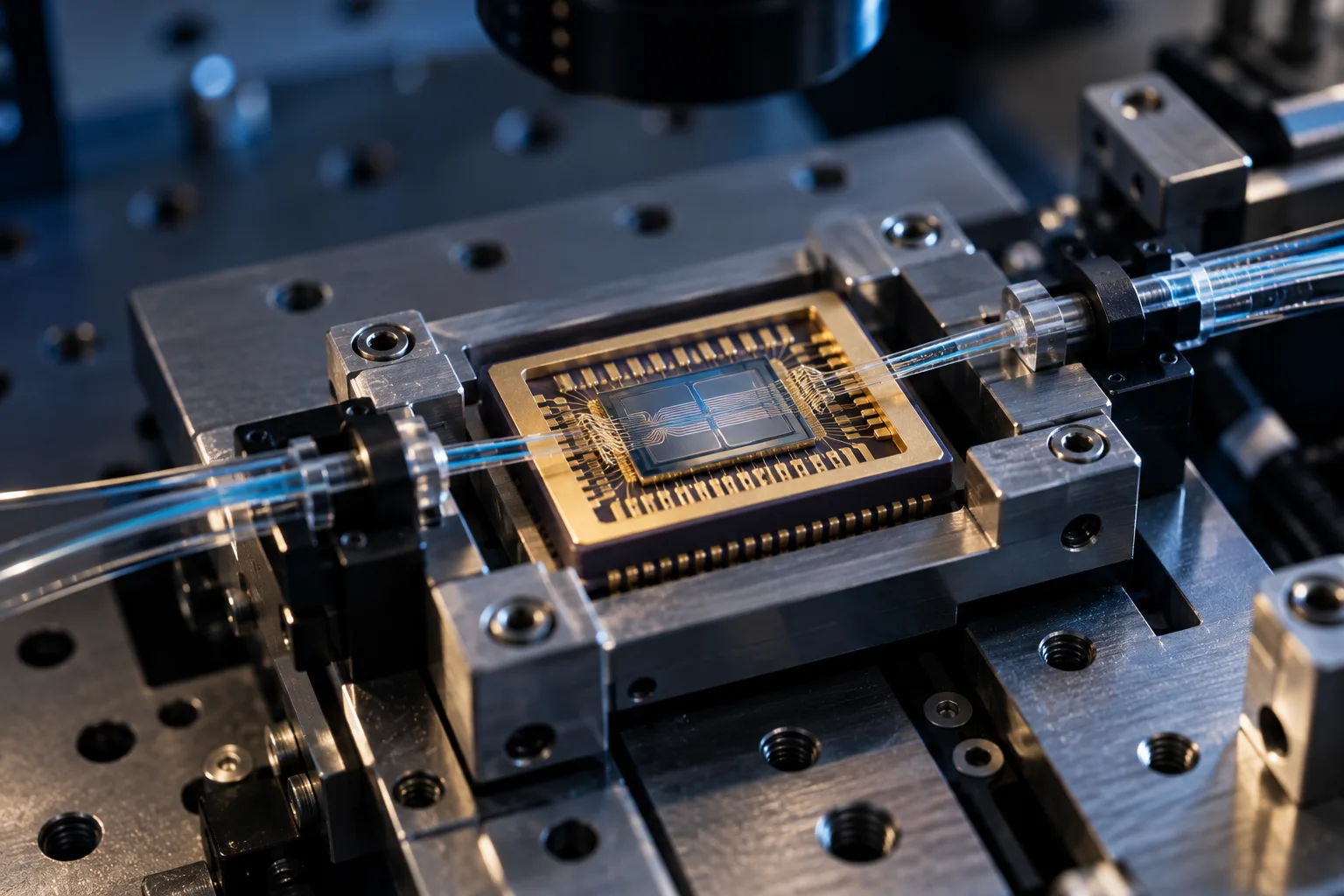
Environmental DNA (eDNA) monitoring detects species from traces of DNA shed into water, soil or air, so surveyors do not have to catch or see the animals. It is used as a survey method for great crested newts in England, but false positives, false negatives and unreliable abundance estimates limit its use.
Gene drive mosquitoes
Gene drive mosquitoes are genetically edited mosquitoes designed to pass a population-reducing change to most of their offspring, with the aim of suppressing the malaria-carrying Anopheles population. The work so far is laboratory-based. A 2025 field programme in Burkina Faso, which used non-gene-drive modified mosquitoes, was halted by the government.
Gene therapy for inherited deafness
Gene therapy delivers a working copy of the OTOF gene into the inner ear of children whose deafness is caused by OTOF faults. Small trials reported hearing gains in most treated children, and the FDA granted accelerated approval to Regeneron's Otarmeni in April 2026.
Gene-edited crops
Gene-edited crops are plants changed with precise tools such as CRISPR-Cas9, which can alter a plant's own genes. A 2017 lab study showed the approach can change plant chemistry, and the UK Genetic Technology (Precision Breeding) Act 2023 created a separate legal route for precision-bred plants in England. Rules differ widely between countries.
Gene-edited livestock
Farm animals with targeted gene edits have reached regulatory decisions. FDA approved a PRRS-resistant pig in 2025 and made a low-risk determination for heat-tolerant cattle in 2022, but broad sales depend on export-market approvals and public acceptance.
Gene-edited pig organ xenotransplantation
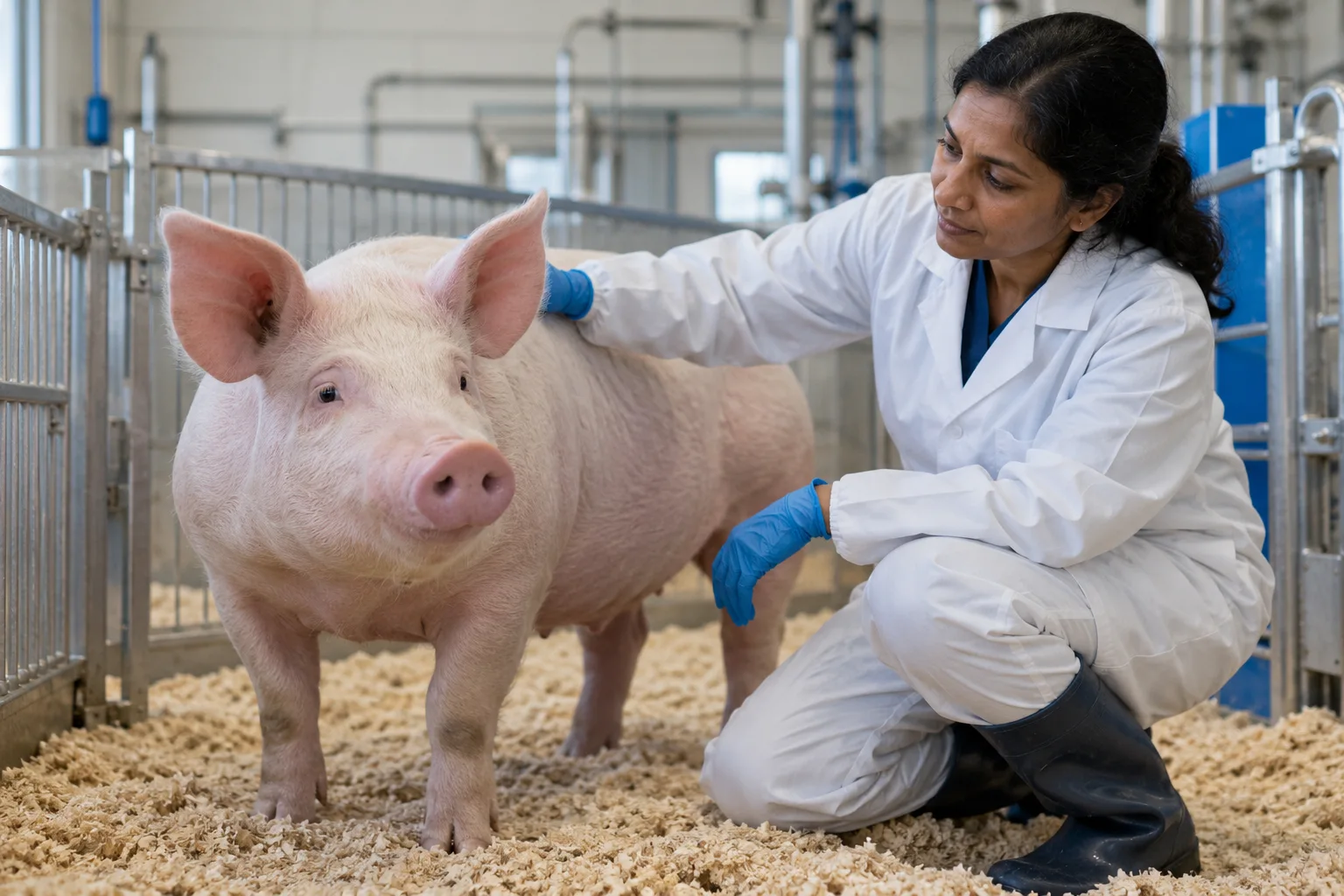
Xenotransplantation means transplanting organs from one species into another, and gene-edited pigs are the main candidate source of donor kidneys. Pig kidneys have functioned for up to 61 days in brain-dead recipients and for a small number of living patients. One peer-reviewed living case reported 271 days of dialysis independence. Long-term results and controlled trials are still needed.
In vivo gene editing
In vivo gene editing delivers editing machinery into the body so that it changes DNA inside a person's own cells. A phase 3 trial of an investigational in vivo CRISPR treatment and a phase 1 base-editing study now report clinical results. The approach has so far been tested on only a few gene targets, and the phase 1 base-editing study delivers its editor to the liver.
Lab-grown red blood cells
Lab-grown red blood cells are made from stem cells as a possible future transfusion product. The UK RESTORE trial has completed its final mini-dose transfusions and is closed to recruitment; results are expected in late 2026 or early 2027. Whether manufactured cells survive longer than donated cells is not yet known, and producing enough cells affordably for routine care remains a major challenge.
Multi-cancer early detection blood tests
Multi-cancer early detection (MCED) blood tests look for signals from many cancer types in one sample. The main commercial example, GRAIL's Galleri, is under US regulatory review, and the trial evidence so far is mixed: the UK NHS-Galleri trial missed its primary endpoint, and whether earlier detection reduces deaths is not yet shown.
Mycelium composites
Mycelium composites are light materials made by growing fungal threads through agricultural or wood waste and then drying the result in a mould. Laboratory studies show workable stiffness, fire screening results and shaping options, but strength, moisture resistance and environmental benefit depend on the specific formulation and use.
Nitrogen-fixing cereals
Nitrogen-fixing cereals would take nitrogen from the air through engineered plants or root-associated microbes, reducing the need for synthetic fertiliser. Some commercial microbial products are sold for maize, but their field results vary, and engineering cereals to fix nitrogen themselves has so far only reached early laboratory steps.
Optogenetics
Optogenetics uses light-sensitive proteins, introduced into cells by genetic modification, to switch those cells on or off with light. It began as a laboratory tool for controlling neurons, and its human use so far is early-stage, including a single-patient report of partial vision recovery in 2021.
Organ and tissue cryopreservation
Vitrification cools tissue into a glass-like solid without ice, using high concentrations of cryoprotectants, and nanowarming heats it back evenly with magnetic nanoparticles. Vitrified eggs and embryos are used in fertility clinics, and vitrified rat kidneys have worked after transplant, but the sources reviewed here report no human-sized organ banked and transplanted this way.
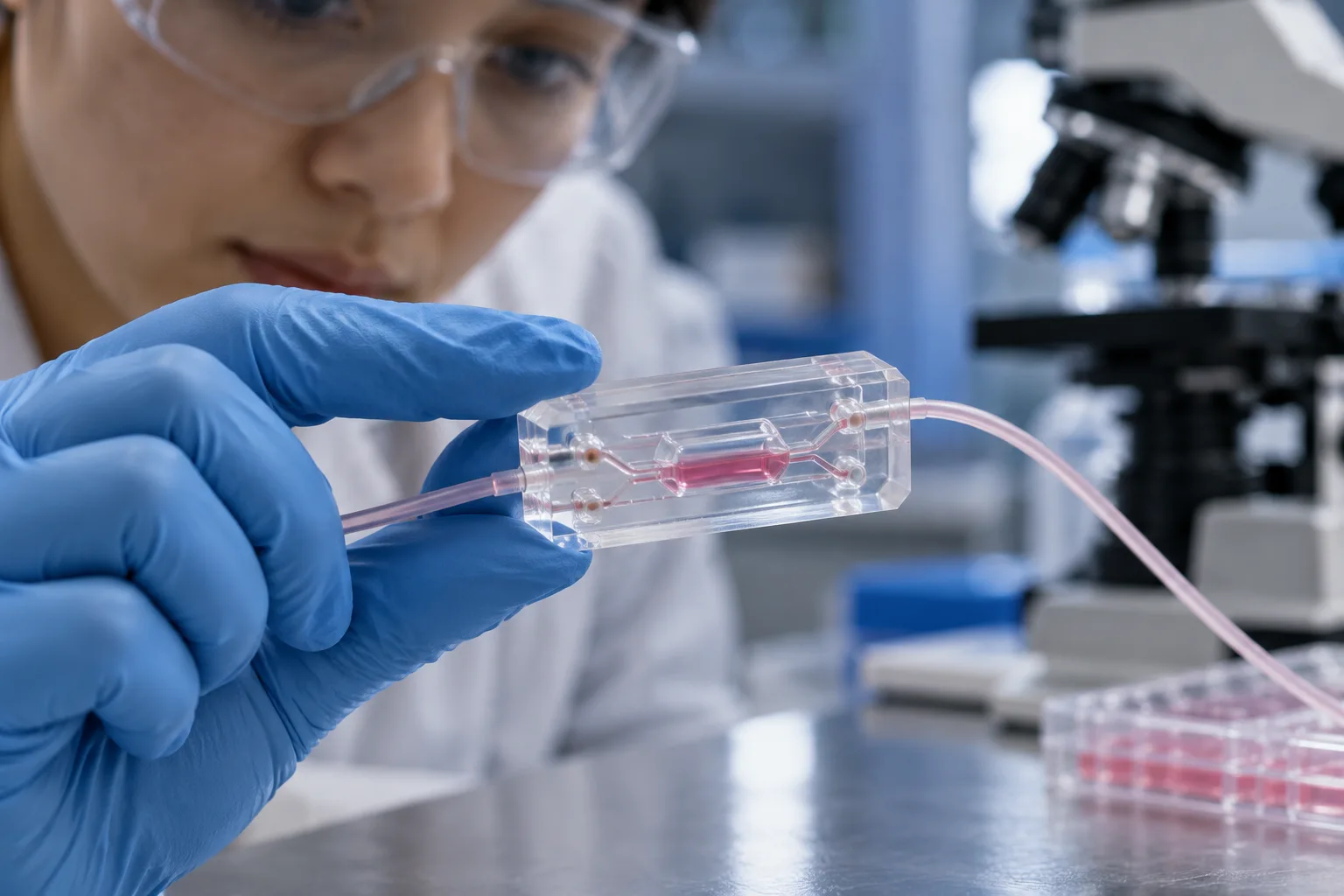
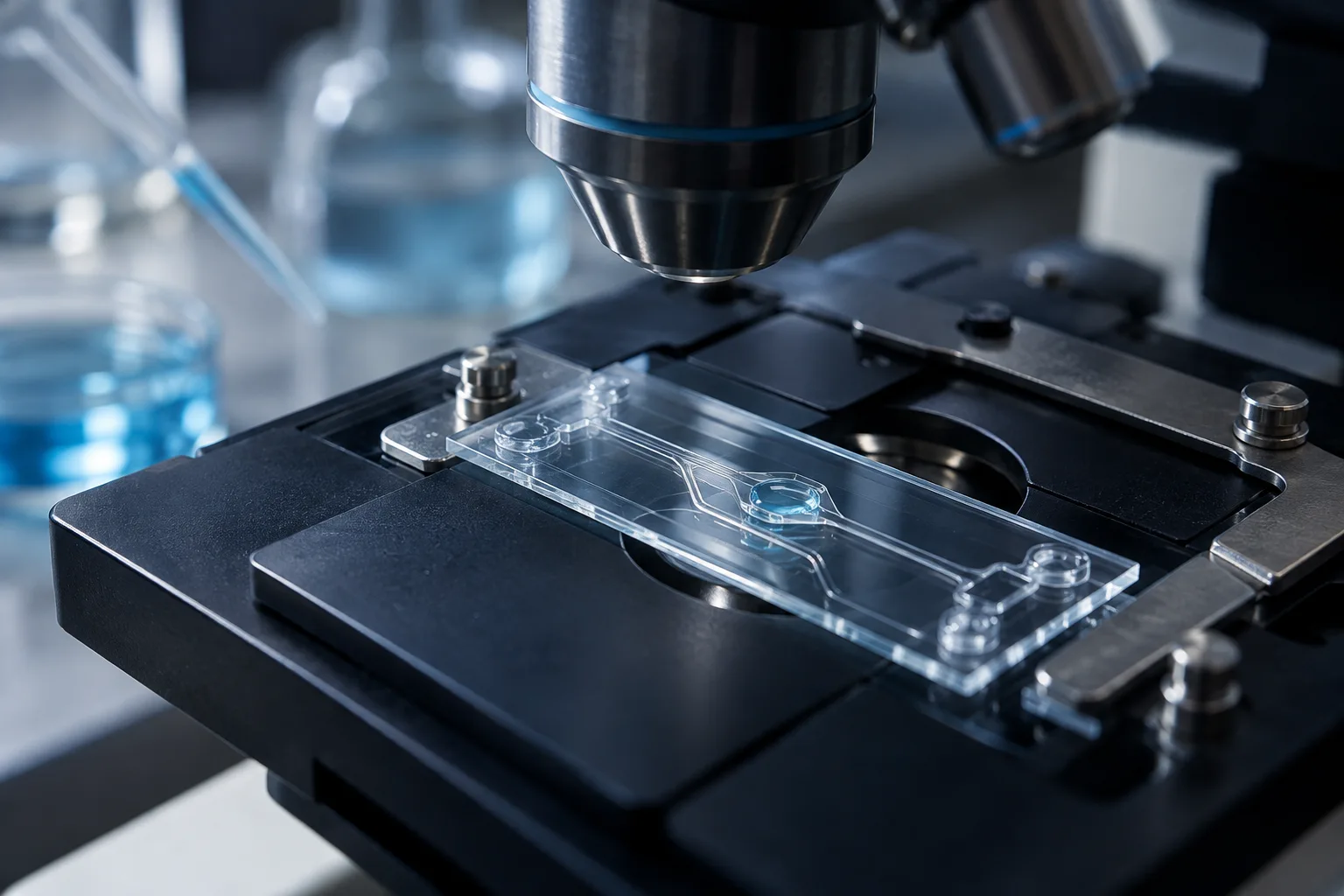
Organ-on-a-chip
Organ-on-a-chip devices are small plastic chips with tiny fluid channels lined with living human cells, built to copy how a tissue such as lung or liver behaves. They are used in drug research to test effects on human cells and are being considered by regulators as a partial alternative to some animal tests.
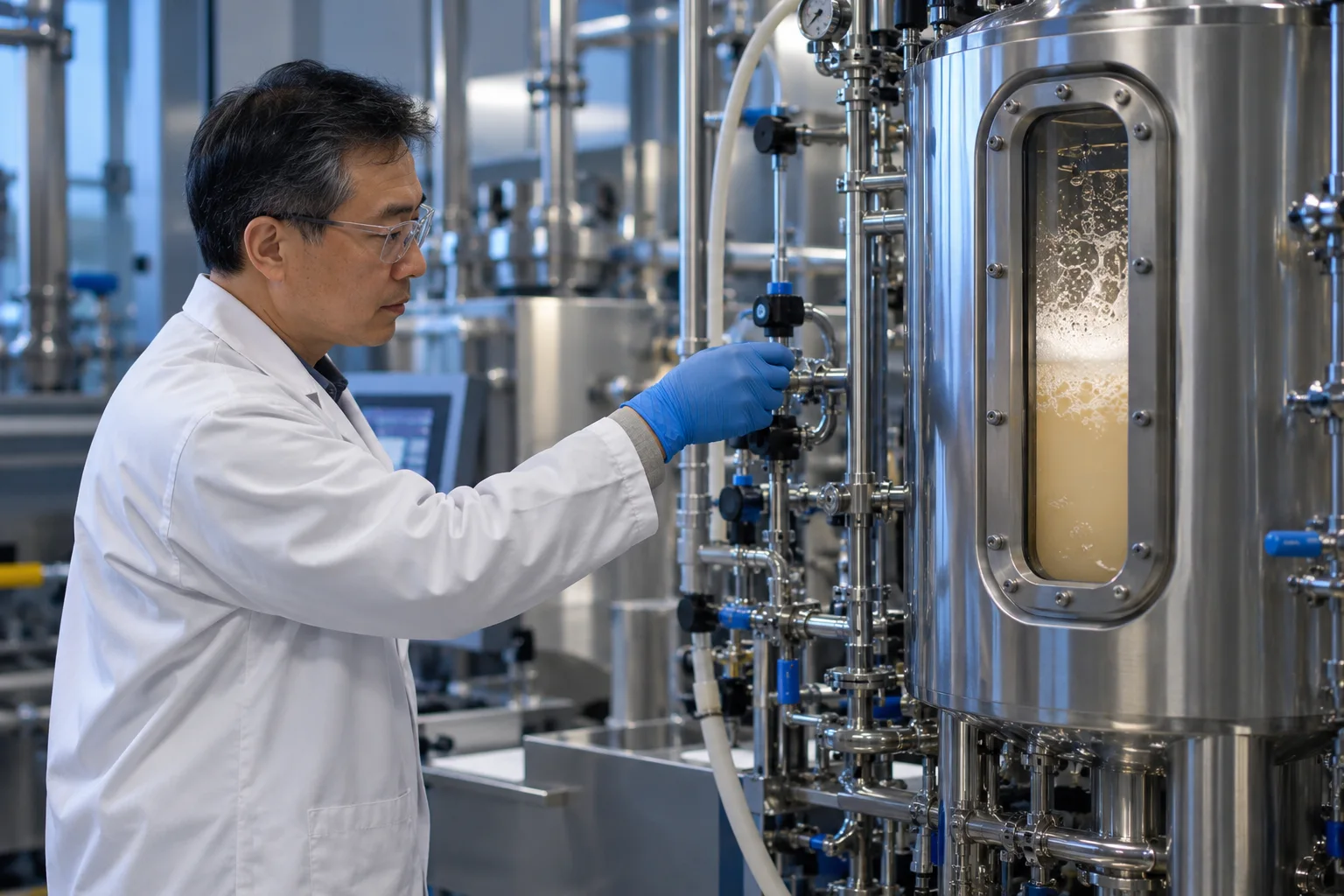
Precision fermentation
Precision fermentation uses microorganisms engineered to make specific animal proteins, such as whey protein, without farmed animals. The FDA's public GRAS notice inventory records 'no questions' responses for some fermentation-made beta-lactoglobulin ingredients with stated food uses. Lab-scale work has also produced recombinant casein at low titre. Evidence on cost and scale-up is still limited.
Protein made from air and electricity
Gas fermentation grows microbes on hydrogen, carbon dioxide and oxygen, then dries the cells into a protein powder for food or feed. One producer reports a food approval in Singapore and a self-affirmed GRAS conclusion in the United States, but published cost and life-cycle studies depend heavily on low-carbon electricity and are mostly modelled rather than measured at scale.
Space biomanufacturing
Space biomanufacturing uses microbes in sealed reactors to turn prepared feedstocks into useful materials, such as bioplastic, for future missions. A 2026 preprint reports laboratory production of bioplastic from simulated Mars-like inputs, but this has not been shown on Mars and the work has not been peer reviewed.
Sprayable RNA biopesticides
Sprayable RNA biopesticides are double-stranded RNA (dsRNA) products that switch off a target pest's gene when the pest eats or absorbs them. Ledprona, sold as Calantha, was registered by the US EPA in December 2023 for Colorado potato beetle, but independent data on how long the spray lasts in the field, its production cost and resistance risk are still limited.
How far away are we?
AI-designed medicines reaching patients
Pilots · 5 of 8 steps done
Bacteria engineered as living medicines
Engineering prototypes · 5 of 7 steps done
Cultivated meat at supermarket prices
Pilots · 1 of 6 steps done
Curing inherited diseases with a single gene-editing treatment
Pilots · 4 of 9 steps done
Fighting malaria with gene drive mosquitoes
Science demonstrated · 5 of 10 steps done
Lab-grown and animal organs for transplant
Pilots · 3 of 8 steps done
Lab-grown blood for routine transfusions
Engineering prototypes · 4 of 9 steps done
Materials that grow and repair themselves
Engineering prototypes · 4 of 8 steps done
Meat from gene-edited animals in supermarkets
Pilots · 2 of 7 steps done
Medicines and machines built from folded DNA
Engineering prototypes · 4 of 7 steps done
Replacing animal testing with lab-grown human tissue
Pilots · 4 of 7 steps done
Restoring hearing to deaf children with gene therapy
Pilots · 4 of 8 steps done
Reviving people frozen after death
Science unproven · 4 of 9 steps done
Tracking wildlife from DNA in water and air
Pilots · 1 of 5 steps done
Breakthroughs
Multi-site gene drive suppressed caged malaria mosquitoes despite resistance alleles
In laboratory cages seeded with about 600 Anopheles gambiae adults, a gene drive that targets several sites (Ag(QFS)2) reached fixation at generation 7 in one cage and generation 6 in another. Complete suppression followed at generation 8 and generation 7 respectively. In comparable cages, a single-target drive (Ag(QFS)1) let a resistant allele reach 74 to 87 per cent of non-drive alleles within 8 generations, with little overall suppression.
Fine-tuned RFdiffusion designs antibody fragments that bind chosen epitopes
A fine-tuned RFdiffusion network, paired with yeast display screening, generated VHH antibody fragments and single-chain variable fragments (scFvs) designed to bind user-specified epitopes, according to a bioRxiv preprint. VHHs were characterised against four disease-relevant epitopes. Cryo-electron microscopy confirmed the designed binding poses for VHHs against influenza haemagglutinin and Clostridium difficile toxin B (TcdB), and a high-resolution structure of the influenza-binding VHH matched the designed complementarity-determining regions. Initial designs showed modest affinity, and the abstract gives no dissociation constants. Affinity maturation with OrthoRep produced single-digit nanomolar binders that kept epitope selectivity. Designed scFvs against TcdB and a PHOX2B peptide-MHC complex were also reported, with cryo-EM confirming binding poses for two TcdB scFvs.
Lab-scale dynamic culture yields about 4,600 red cells per stem cell
In an optimised, feeder-free suspension culture that the authors describe as xeno-free, iPSCs produced about 4.6 × 10³ red cells per iPSC. The paper reports 40 to 70% enucleation in its abstract; individual results sections give narrower ranges of 48 to 62% and 46 to 71%. The shaker cultures used 125 mL Erlenmeyer flasks and Cytodex 1 microcarriers, and stirred-tank bioreactors were not tested. The authors estimate that about 4.9 × 10⁷ iPSCs would be needed for one minitransfusion unit of 1 × 10¹¹ enucleated cells.
Tel Aviv University team edits over 1,300 tomato plants, each with a different gene group targeted
A Tel Aviv University news release, dated June 2025, describes a CRISPR method that starts from leaf tissue rather than seeds and can target thousands of genes at once. The researchers created over 1,300 tomato plants, each with edits in a different gene group. The release reports significant changes in traits including sweetness and nutrient use. It gives no numerical effect sizes, and it does not state the field or greenhouse conditions or the number of replicates.
Infant receives a base-editing therapy designed for his own mutation
After a newborn was diagnosed with severe carbamoyl-phosphate synthetase 1 deficiency, the clinical and research team developed a lipid nanoparticle-delivered base-editing therapy for his specific variant. After regulatory approval, he received two infusions at about 7 and 8 months of age. In the 7 weeks after the first infusion he tolerated more dietary protein and his nitrogen-scavenger dose was halved, with no serious adverse events.
Microfluidic platform encodes 2,304 bits into DNA in four hours on benchtop
In a proof-of-concept study, binary data was written into DNA by overlap-extension PCR and programmable microfluidic partitioning. The authors report 2,304 bits encoded within 4 hours on a benchtop instrument, using an integrated microfluidic circuit with a 48 x 48 array. Sequencing confirmed the encoding, and the body text reports 100% accuracy at a threshold of 50 reads. A microfluidic qPCR platform decoded the data, with a write-to-read latency of about 8 hours, which the authors compare with about 5 days for conventional methods. The qPCR read of the 2,304-bit image had an error rate of about 0.9%, all of them 1-to-0 errors.
FDA sets out plan to phase out animal testing requirements for monoclonal antibodies
No experiment: this is a regulatory policy event. The US Food and Drug Administration announced a plan to reduce, refine or potentially replace animal testing requirements, starting with monoclonal antibodies, and published a 'Roadmap to Reducing Animal Testing in Preclinical Safety Studies'. It named AI-based computational toxicity models, cell line and organoid testing, and organ-on-a-chip systems as alternatives, and said IND applications were encouraged to include such data immediately.
Data written to DNA by printing epigenetic methylation marks instead of synthesising sequences
Using a set of 700 premade DNA 'movable types' and 5 universal templates, the team used self-assembly-guided enzymatic methylation to write about 275,000 bits without de novo DNA synthesis, at 350 bits per reaction on an automated platform. Data were read back by nanopore sequencing, with algorithms resolving 240 modification patterns per sequencing reaction.
CRISPR-edited tomato line shows less Xanthomonas disease in Florida field trials
A 2024 Plant Biotechnology Journal paper by Ortega and colleagues reports CRISPR/Cas9 edits to the tomato genes Bs5 and Bs5L in the variety Fla. 8000. Two homozygous lines, Slbs5-1 and Slbs5-2, each carry frameshift mutations in both genes. In field trials at the Gulf Coast Research and Education Center in Florida, the plants were inoculated with a two-isolate cocktail of Xanthomonas perforans race T4 to raise disease pressure, and no bactericides or systemic acquired resistance activators were used. Line Slbs5-2 had a higher share of leaves with reduced disease symptoms than wild type in all tested seasons (Spring 2018, Fall 2019 and Fall 2023). There was no statistically significant difference in marketable fruit yield between Slbs5-2 and wild-type plants across all seasons.
AlphaFold 3 predicts joint structures of proteins, nucleic acids, ligands and ions
Google DeepMind and Isomorphic Labs described a diffusion-based model that predicts the joint 3D structure of complexes containing proteins, nucleic acids, small molecules, ions and modified residues. On the authors' benchmarks it was more accurate than state-of-the-art docking tools for protein-ligand interactions, than nucleic-acid-specific predictors for protein-nucleic acid interactions, and than AlphaFold-Multimer v2.3 for antibody-antigen prediction.
Four SAMPLE agents find more thermostable glycoside hydrolases while sampling under 2% of a sequence landscape
Four independent SAMPLE agents ran automated design-test-learn cycles to search a 1,352-sequence combinatorial landscape for thermostable GH1 glycoside hydrolases. Using the platform assay, each agent found sequences at least 12 °C more stable than the starting sequences while sampling less than 2% of the landscape. Researchers then expressed the top design from each agent in Escherichia coli and confirmed improved thermostability with lysate-based assays, although manual measurements were lower than the automated results.
Vitrified rat kidneys rewarmed by nanowarming survive 30 days after transplant
In a rat model, whole kidneys were vitrified (cooled to an ice-free, glass-like state), stored at about -150 degrees C for 1 to 100 days, and rewarmed by nanowarming, which heats magnetic nanoparticles in the organ's blood vessels with a magnetic field. Five nanowarmed kidneys were transplanted into nephrectomised recipients, alongside five fresh-control transplants. All nanowarmed and fresh-control recipients survived the 30-day study. Nanowarmed kidneys produced urine within 40 to 45 minutes of reperfusion, compared with a few minutes for fresh controls. Day-30 creatinine was 0.62 plus or minus 0.24 mg/dL for nanowarmed kidneys and 0.44 plus or minus 0.19 mg/dL for controls (P = 0.3). Estimated GFR at day 30 was 2.2 plus or minus 0.8 mL/min and 2.7 plus or minus 0.7 mL/min respectively (P = 0.421).
Singapore approves Solein, a protein powder grown from CO2 and hydrogen
Solar Foods announced on 26 October 2022 that the Singapore Food Agency (SFA) had approved Solein, a microbial protein-rich powder made by Solar Foods, allowing the sale of food products containing it in Singapore. The announcement gives no exact approval date. It gives the powder's composition as 65-70% protein, 5-8% fat and 3-5% mineral nutrients, and says the microbes are fed carbon dioxide, hydrogen and oxygen, with small amounts of nutrients. It does not name the microbe and gives no details of the safety assessment.
Soybean lines with faster recovery from light protection yielded up to 33% more seed in field trials
In replicated field trials, soybean lines carrying three transgenes that speed the relaxation of nonphotochemical quenching showed higher photosynthetic efficiency in fluctuating light. The paper reports seed yield gains of up to 33% across five independent transgenic lines, with seed protein and oil content unchanged.