Breakthroughs
What was demonstrated, when, under which conditions, and what it does not show.
2026
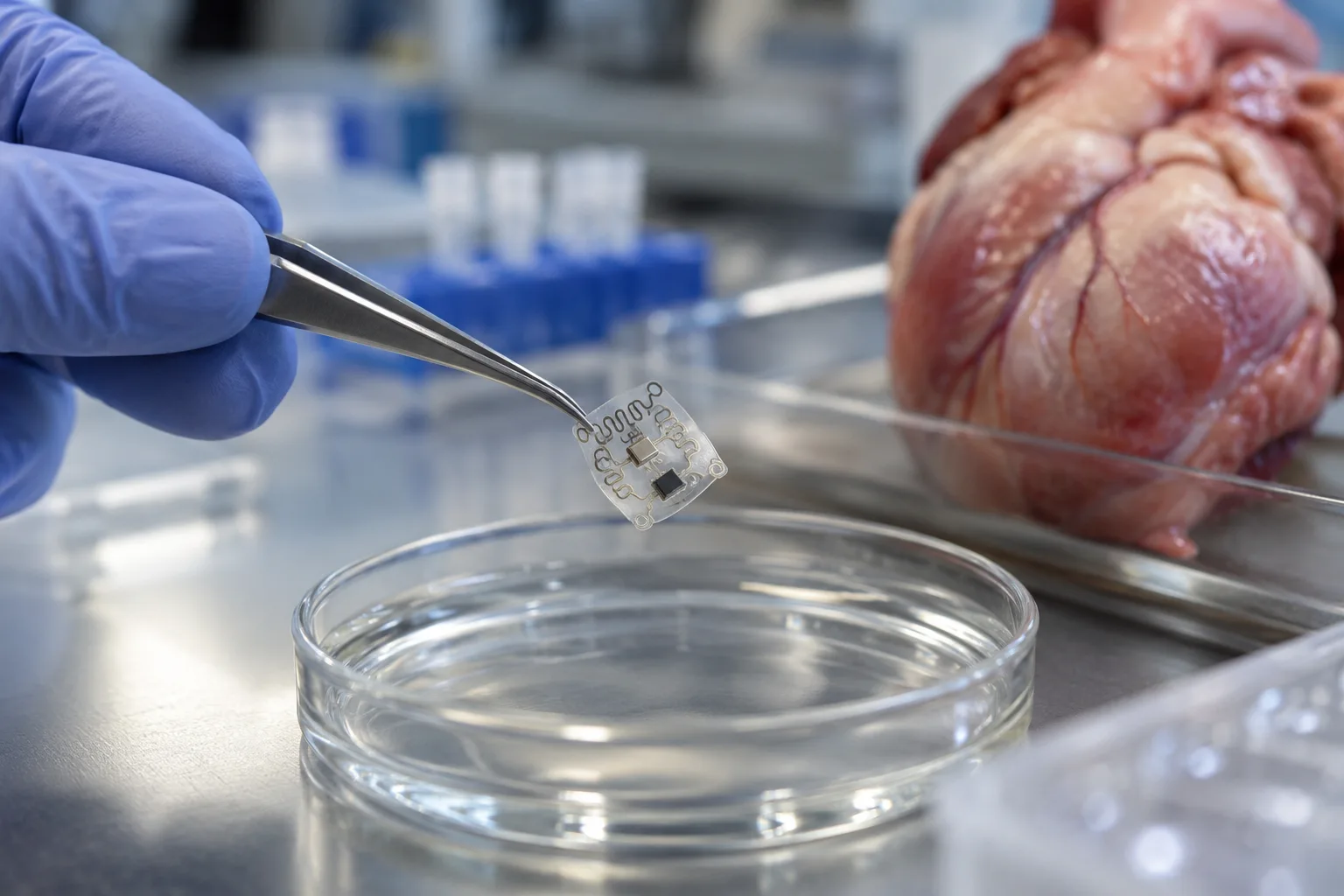
Bioresorbable metal-free magnet enables untethered organ monitoring in porcine models
Researchers report a graphitic-carbon-nitride-derived metal-free molecular magnet integrated into catheter-deliverable epicardial patches and injectable hydrogels, coupled to a skin-interfaced Hall sensor array. In porcine models, the system continuously assessed cardiac ejection fraction for four weeks before the material underwent reported benign bioresorption. The abstract does not state the number of animals or detailed protocol.
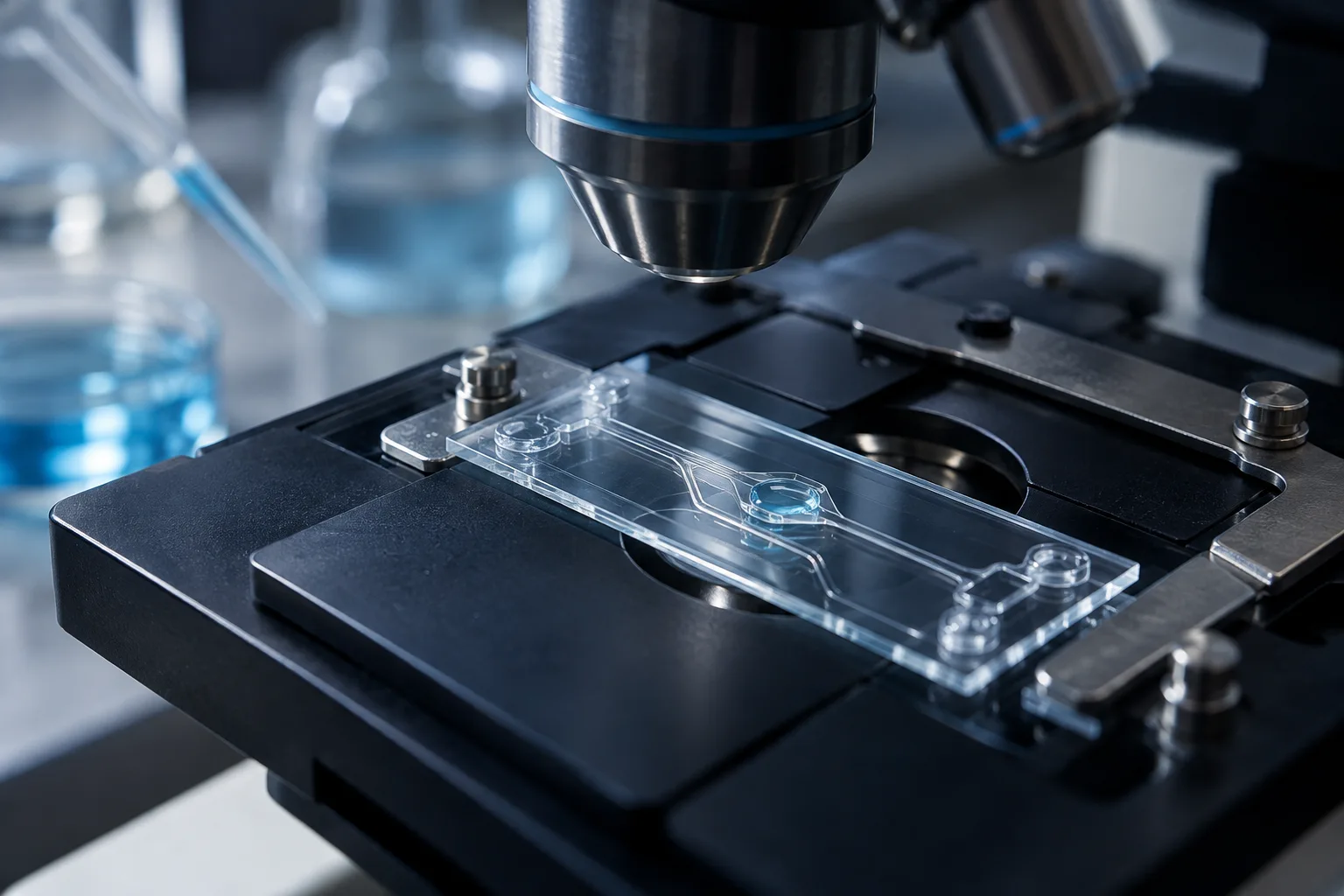
NHS-Galleri trial misses main endpoint for multi-cancer blood test
In the NHS-Galleri randomised trial in England, 142,250 adults aged 50 to 77 were randomised 1:1 to a test group (71,122) or a control group (71,128). The test group was offered the Galleri multi-cancer blood test. After three screening rounds, the combined rate of stage III or IV diagnoses across 12 prespecified cancers was not lower in the test group (incidence rate ratio 1.03, 95% CI 0.92 to 1.14, P=0.63). Stage IV diagnoses, a prespecified secondary endpoint, were lower in the test group (incidence rate ratio 0.86, 95% CI 0.744 to 0.998), which GRAIL describes as nominally statistically significant. Episode sensitivity was 54.7% for the 12 prespecified cancers and 30.7% across all cancer types, with specificity of 99.55% and a positive predictive value of 52.0%.

Brain implant decodes speech and gestures together in two people with paralysis
In a study of three participants with severe speech and movement impairment, a 253-channel electrocorticography (ECoG) array implanted on the pial surface of the left hemisphere, over areas of speech production and motor movement, was used for real-time decoding. Two participants (Bravo-1r and Bravo-6) completed the simultaneous speech and gesture avatar tasks; the third withdrew before that stage. In a cued conversation task with a restricted set of phrases and gestures, Bravo-6 reached 75.0% speech accuracy (95% CI 55.0 to 90.0) and 85.0% gesture accuracy (95% CI 70.0 to 100.0) over five blocks. Bravo-1r, with five phrases and four gestures, reached a median of 100% for both over three blocks. In a copy task with ten phrases and ten gestures, Bravo-6 scored 70.0% for speech and 66.0% for gestures, against chance levels of 9.1% each.

Utah FORGE's 30-day 2024 circulation test produced water at about 370°F
The U.S. Department of Energy reports that a 30-day circulation test at its Utah FORGE site in August 2024 injected cool water at a consistent rate of 10 barrels per minute. The test produced water at roughly 370°F (about 188°C). The DOE update does not report production flow, water recovery or electrical output for that test.
Modified Pearl 15 jet engine runs on 100% hydrogen through simulated flight cycle
The UK Civil Aviation Authority reported on 20 July 2026, in findings from its Hydrogen Challenge, that Rolls-Royce, working with easyJet, modified a Pearl 15 engine to run on 100% hydrogen up to take-off thrust, and across a fully simulated flight cycle. The release says valuable safety and performance data were collected. It gives no thrust values, test durations, temperatures or performance figures. The test was a simulation of the flight stages, not a flight of an aircraft.
Multi-site gene drive suppressed caged malaria mosquitoes despite resistance alleles
In laboratory cages seeded with about 600 Anopheles gambiae adults, a gene drive that targets several sites (Ag(QFS)2) reached fixation at generation 7 in one cage and generation 6 in another. Complete suppression followed at generation 8 and generation 7 respectively. In comparable cages, a single-target drive (Ag(QFS)1) let a resistant allele reach 74 to 87 per cent of non-drive alleles within 8 generations, with little overall suppression.

Thin flexible robot demonstrates inspection and machining on laboratory structures
The 970 μm-thick, 19.7 g robot used a two-degree-of-freedom electrostatic actuator and electrostatic adhesive feet. In laboratory tests it achieved 21.7 μm actuator repeatability, a maximum actuator speed of 290 mm/s and 1.07 N output force; robot demonstrations included carrying up to 4.06 times its own mass, inspection of a 7 mm-high gap, curved-surface grinding and microscale electrical-discharge machining. It also withstood an impact from a 3 kg weight.
Grayscale projection two-photon lithography reports 55 nm nanowires and 1.7 billion voxels per second
Kim and Saha (Georgia Institute of Technology) report grayscale projection two-photon lithography. Despite using a binary mask, the method projects more than 15,000 focal spots, each with independently tunable intensity. The abstract says the authors demonstrated printing nanowires as thin as 55 nm and achieved rates of 1.7 billion voxels per second and 215 mm³ per hour. The abstract also describes rapid 3D printing with a single femtosecond pulse per layer. The abstract does not give the resin, laser wavelength or specific exposure parameters.
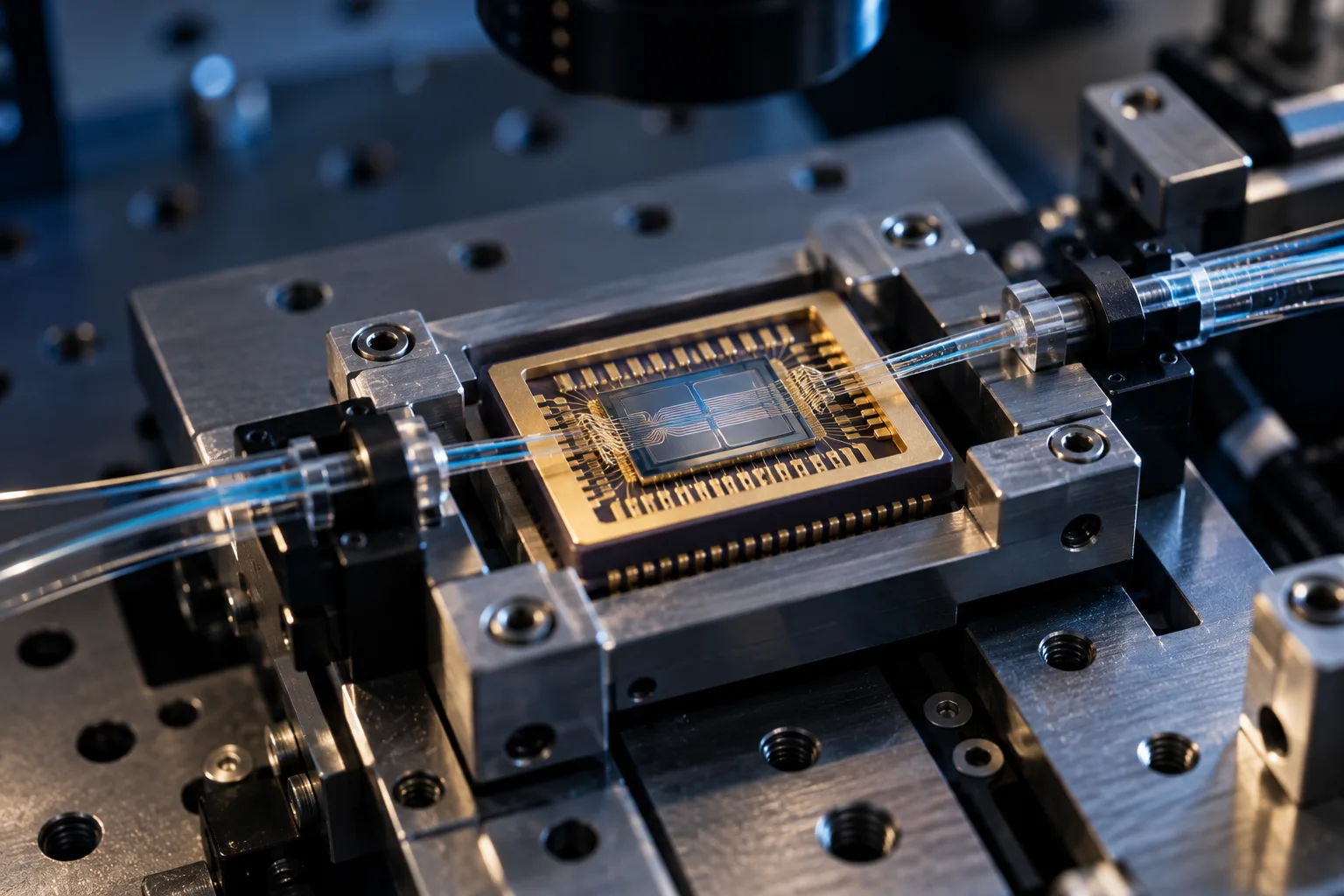
Wearable ultrasound patch gave continuous readings in 52 pregnant women
A soft wearable ultrasound patch, the UPatch, sits on the mother's abdomen. In validation, its readings showed good agreement with a handheld clinical ultrasound device on 62 pregnancies, for anatomical structures and blood flow velocities. Continuous monitoring was then carried out in sessions of one to six hours in 52 pregnant women, including healthy pregnancies and pregnancies with small or large for gestational age, gestational diabetes, preeclampsia and gestational hypertension. The abstract summaries and press coverage reviewed give no agreement statistics and no per-group numbers.

AgiBot humanoid robots run a loading task on a Chinese electronics production line
AgiBot and its deployment partner Longcheer Technology said AGIBOT G2 humanoid robots were deployed at a Longcheer consumer electronics plant in Nanchang, China, mainly at MMIT (multimedia integrated testing) stations for precision loading and unloading of tablets. The company reported throughput of up to 310 units per hour, a cycle time of about 19 to 20 seconds per operation, a success rate over 99% in continuous operation, over 140 hours of cumulative continuous operation with downtime loss below 4%, and production line integration completed within 36 hours. These are company-reported figures. The announcement says multiple G2 robots are deployed but gives no exact robot or station count, and it cites no third-party testing.
Destination Earth climate digital twin runs global simulations at 5 to 10 km
A Geoscientific Model Development paper published on 14 April 2026 describes the Destination Earth Climate Change Adaptation Digital Twin. Its abstract gives spatial resolutions of 5 to 10 km and hourly outputs, but no cost or throughput figures. The body text reports a current throughput of about 0.5 simulated years per wall-clock day at 5 km, with around 200 computing nodes for the 5 km runs and around 100 for the 10 km runs. It also says a 20-year 5 km ICON simulation typically needs about 0.6 million GPU hours. The simulations run on the LUMI and MareNostrum 5 supercomputers. Atmosphere and land output is hourly, and ocean and sea-ice output is daily.
Gene-edited wheat cuts grain free asparagine by up to 93% in field trials
A 2026 Plant Biotechnology Journal paper by Kaur and colleagues (Rothamsted Research and partners) reports CRISPR/Cas9 knockouts in the wheat cultivar Cadenza, grown in two field seasons (2022 to 2023 and 2023 to 2024) at one site in Harpenden, UK. Combined across both seasons, the TaASN2 knockout reduced free asparagine in the grain by 59%, and the TaASN1/2 knockout reduced it by 93%, both compared with Cadenza. The abstract reports that yield was not affected in the edited lines. In bread from the TaASN1/2 line, acrylamide was below the detection limit. In biscuits from the same line, acrylamide was 93% lower than the control according to the abstract (92% according to the full text). After four minutes of toasting, acrylamide remained at 8% (TaASN1/2) and 23% (TaASN2) of the control.
Fish eDNA levels rise with biomass in tanks, but not in a straight line
In controlled flow-through tanks, researchers added fish two at a time every 48 hours, rising from 2 to 12 fish per tank. The trials used three freshwater species (Squalius lucumonis, Lepomis gibbosus and Pseudorasbora parva), with three tanks per species, and ran in 2024. Each 2 L water sample was filtered and its eDNA measured by real-time qPCR with triplicate reactions. Generalised additive mixed models (GAMMs) found monotonic nonlinear relationships between eDNA concentration and biomass in all three species. Two species levelled off at intermediate biomass. Biomass partial R-squared values were 0.420 (L. gibbosus), 0.623 (P. parva) and 0.613 (S. lucumonis).
Experimental 400 Gb/s single-fibre transceiver built on a SiON optical interposer
The arXiv preprint reports an experimentally evaluated 400 Gb/s single-fibre optical transceiver built from 2.5D co-packaged optical I/O chipsets on a SiON/Si interposer. The abstract reports clear eye diagrams and high receiver sensitivity, but gives no sensitivity value or test conditions. The design uses wavelength-division multiplexing, flip-chip integrated InP electro-absorption modulated lasers and photodetectors, and is described as polarisation-insensitive with high fabrication tolerance.
Zipline reports 2 million commercial drone deliveries, company figures only
In a company press release dated 21 January 2026, Zipline said it had surpassed two million commercial deliveries, flown more than 125 million autonomous commercial miles and delivered more than 20 million items. The release says its deliveries were made without a serious injury, but gives no count of injuries. It says it has more deliveries than all other companies in the sector combined, but names no companies and gives no time period for that comparison. The release does not define serious injury and gives no independent verification of its figures.
Soybean gene knockout reported to raise pod number and yield per plant
The Chinese Academy of Sciences announced on 14 January 2026 that CRISPR-Cas9 disruption of the soybean gene GmCKX3 increased pod number and seed yield per plant, with increases described as exceeding 40%. The release says the gains were especially marked under high-density planting conditions, and that lodging resistance was unaffected, seed oil content was unchanged and protein content showed a modest increase. The release does not give a planting density value, the control used, the number of sites or seasons, or the sample size.
2025
Implanted vagus nerve device shows higher 3-month response than sham in rheumatoid arthritis trial
In RESET-RA, a double-blind, sham-controlled trial of 242 adults with rheumatoid arthritis who had an inadequate response to, or intolerance of, biologic or targeted synthetic DMARDs, an implanted device acting on the vagus nerve gave an ACR20 response at 3 months of 35.2% with active stimulation, against 24.2% with sham (P = 0.0209). The primary endpoint was the 3-month ACR20 response. Open-label follow-up, which had no control group, reported ACR20 responses of 50.0% at 6 months and 52.8% at 12 months (all completers). Related serious adverse events occurred in 1.6% of patients, all perioperative and resolved.
Metalens arrays split one femtosecond laser into more than 120,000 focal spots for parallel nanoscale 3D printing
The team split a femtosecond laser into more than 120,000 focal spots using arrays of metalenses. A spatial light modulator adjusts the intensity of each spot in real time. The spots wrote 3D structures at the same time over centimetre-scale areas, and the reported minimum feature size was 113 nm in the demonstrated structures. The Lawrence Livermore National Laboratory (LLNL) release states that the throughput is more than a thousand times that of commercial systems. The work also printed 16 different microscopic chess openings and produced tens of millions of micro-particles per day.
Starfish Space software brings an Impulse Mira to about 1.25 km of a second Mira in orbit
In a demonstration called Remora, Starfish Space's autonomous rendezvous and proximity operations software controlled an Impulse Space Mira spacecraft in low Earth orbit. Starfish and Impulse announced the demonstration on 15 December 2025, and the release says the operations were not announced before they took place. The Mira came within about 1,250 metres of a second Mira, the LEO Express 1 spacecraft. The release says a single visual-range camera was the only sensor, and that the guidance, navigation and control software ran on a peripheral flight computer.
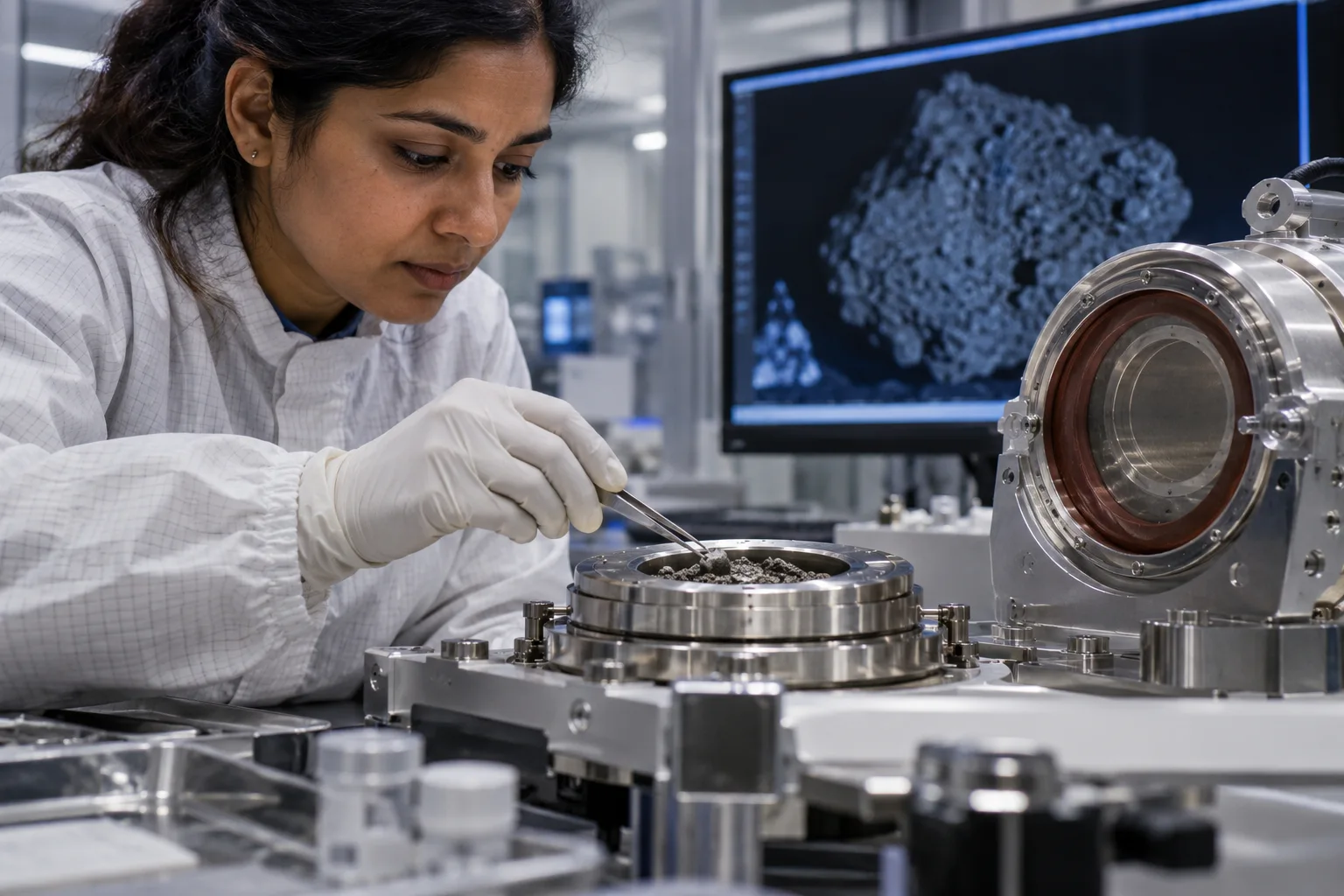
Asteroid Bennu samples contain ribose and glucose, but no deoxyribose was detected
Analysis of samples of asteroid (101955) Bennu returned by NASA's OSIRIS-REx mission detected molecular signatures matching ribose, a five-carbon sugar, and glucose, a six-carbon sugar. Glucose was reported for the first time in an extraterrestrial sample. Deoxyribose was not found. The announcement gives no abundance figures for the sugars.
Intermediate wheatgrass grain yield fell 23.4% from year one to year two
In a study by authors at the University of Minnesota, grain yield of the perennial cereal intermediate wheatgrass fell by 23.4% between year one and year two. The abstract attributes the fall to lower seed mass, with seed number and spike number not reduced. Higher year-one yields were linked to senescence onset being delayed by 421.4 degrees C days. The abstract reports about 1,080 observations across two consecutive growing seasons.
Satellite-detected Permian methane leak was reported repaired by its operator
Carbon Mapper's Tanager-1 satellite detected a methane plume on 9 October 2024 from a leaking oil and gas gathering pipeline in the Texas Permian Basin. The paper gives an estimated instantaneous emission rate of 7100 ± 1100 kg CH4 per hour from that observation. Carbon Mapper notified federal and state agencies the next day, and the paper states that the operator reported the leak as voluntarily repaired. A later Tanager observation on 24 October 2024 detected no methane at that location. A contemporaneous AVIRIS-3 aircraft analysis of surveys on 1, 9 and 10 October found high emissions at the same location in all seven observations, with an average rate of 4200 ± 500 kg CH4 per hour over at least a 10-day interval.
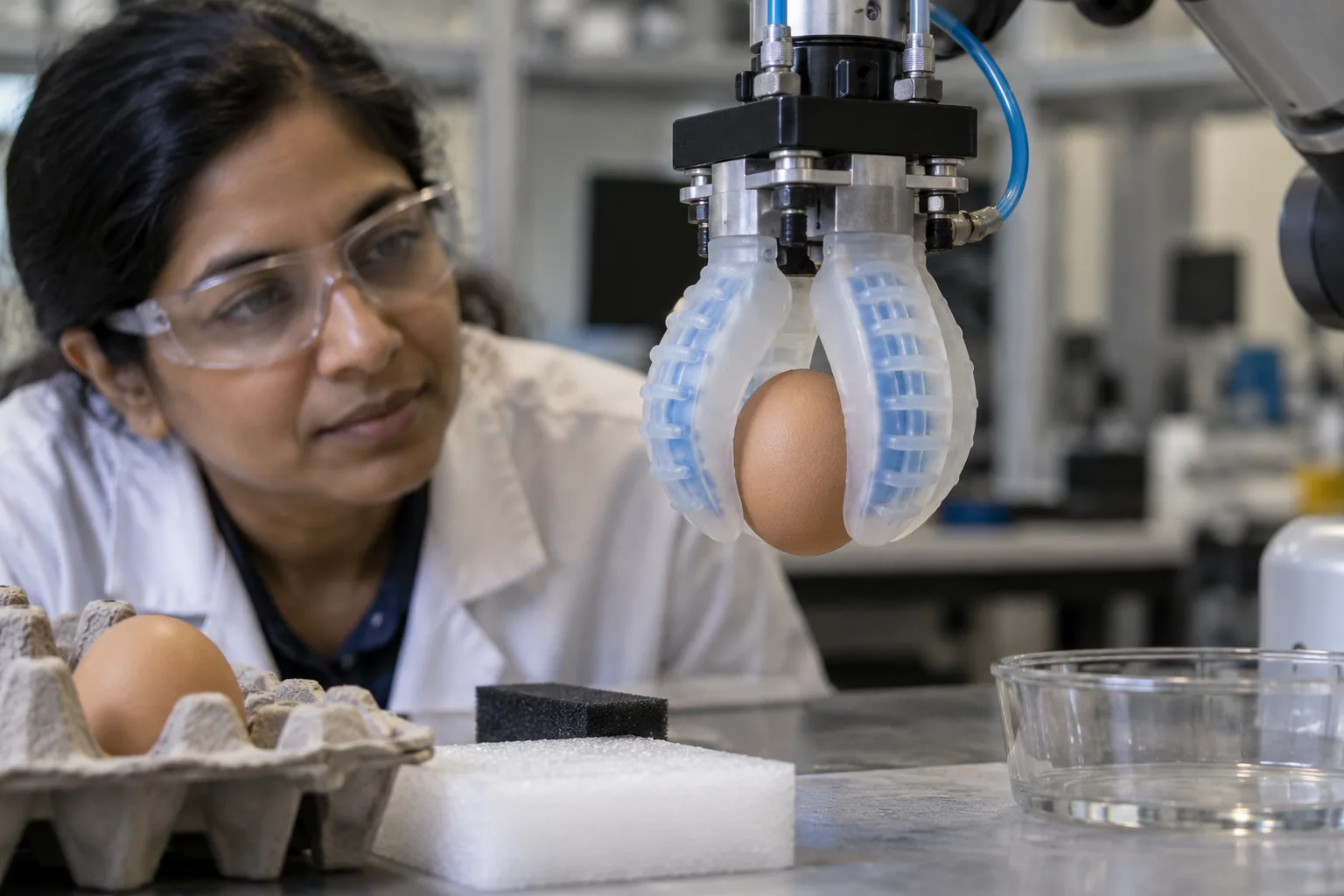
Hybrid humanoid finger grasps tofu and pinches 0.1 mm paper in lab tests
In laboratory experiments reported in the abstract, grippers built from a humanoid finger grasped tofu, pinched 0.1 mm paper, held a 23.2 cm basketball and supported 5.275 kg weights. The finger has rigid bones, flexible springs and a soft silicone skin, and a pneumatic actuator sits between the bones and the skin. The sources checked report no success rates, trial counts or grip force figures.
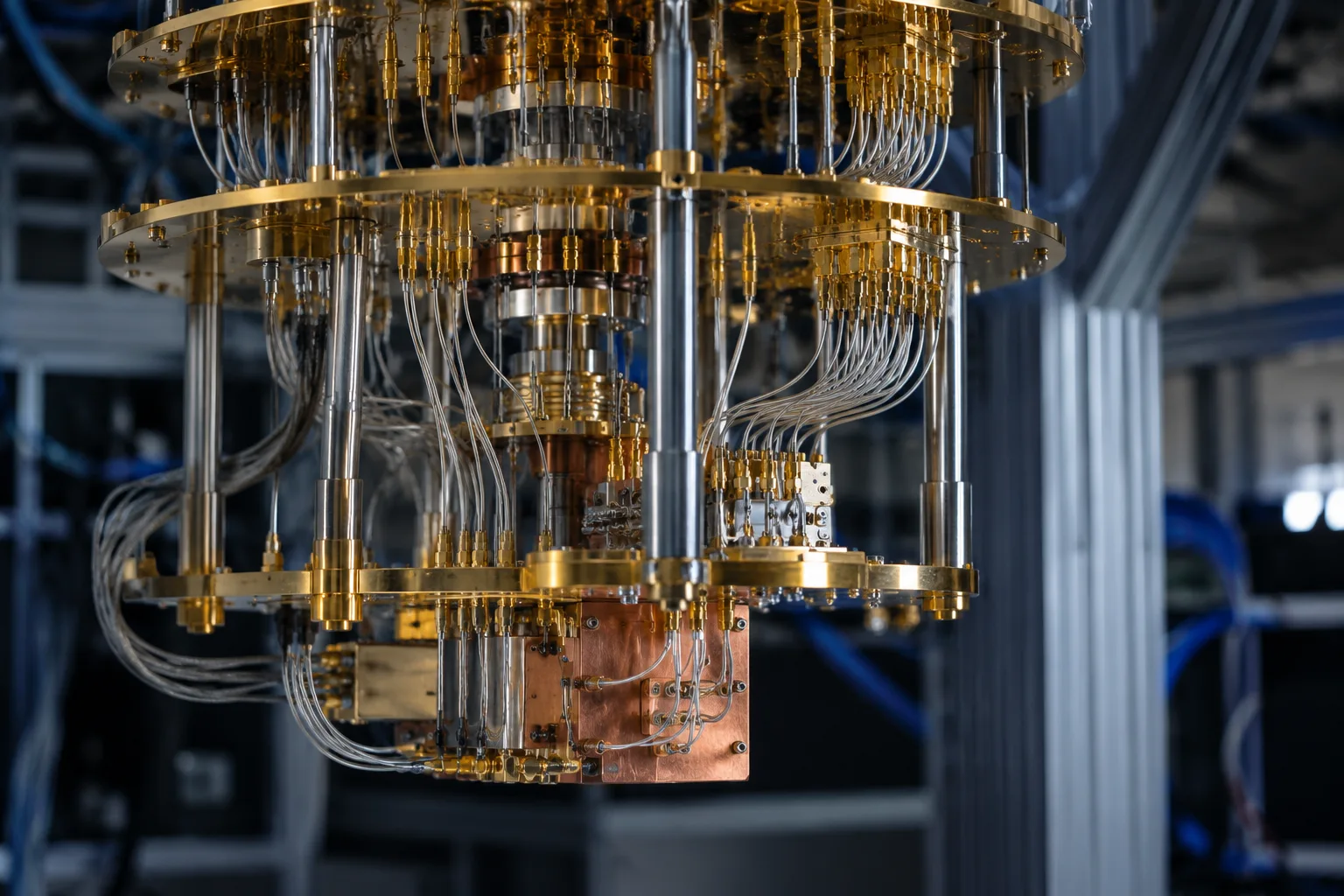
Neutral-atom system with up to 448 atoms reports below-threshold error correction
Using reconfigurable arrays of up to 448 neutral atoms, the team ran repeated surface-code error correction and reported below-threshold performance, with a suppression factor of 2.14 ± 0.13 in a four-round characterisation circuit. The system used atom loss detection and machine-learning decoding. The preprint abstract also says the team investigates logical entanglement using transversal gates and lattice surgery, and covers universal logic through transversal teleportation with 3D [[15,1,3]] codes. The abstract gives no logical error rates or logical fidelities.
Quantinuum Helios preprint reports averaged gate and state-preparation errors for a 98-qubit trapped-ion system
In an arXiv preprint, Quantinuum reports averaged error rates across all operational zones of its 98-qubit Helios trapped-ion system. The average infidelity was 2.5(1) × 10⁻⁵ for single-qubit gates, 7.9(2) × 10⁻⁴ for two-qubit gates and 4.8(6) × 10⁻⁴ for state preparation and measurement. The authors say these limits are not fundamental and could likely be improved. The authors also state that Helios operates well beyond the reach of classical simulation in random circuit sampling.

Fine-tuned RFdiffusion designs antibody fragments that bind chosen epitopes
A fine-tuned RFdiffusion network, paired with yeast display screening, generated VHH antibody fragments and single-chain variable fragments (scFvs) designed to bind user-specified epitopes, according to a bioRxiv preprint. VHHs were characterised against four disease-relevant epitopes. Cryo-electron microscopy confirmed the designed binding poses for VHHs against influenza haemagglutinin and Clostridium difficile toxin B (TcdB), and a high-resolution structure of the influenza-binding VHH matched the designed complementarity-determining regions. Initial designs showed modest affinity, and the abstract gives no dissociation constants. Affinity maturation with OrthoRep produced single-digit nanomolar binders that kept epitope selectivity. Designed scFvs against TcdB and a PHOX2B peptide-MHC complex were also reported, with cryo-EM confirming binding poses for two TcdB scFvs.
Google reports a superconducting chip run estimated to take 13,000 times longer classically
On its Willow superconducting processor, Google Quantum AI ran a benchmark circuit set measuring second-order out-of-time-order correlators (OTOC(2)). The run took about 2 hours. Google estimates the same task would take about 13,000 times longer on a classical supercomputer, compared with the best classical algorithm it could find. A set of second-order OTOC values measured on Willow is estimated to take about 3.2 years per data point to simulate on the Frontier supercomputer, according to a figure caption. The classical estimate rests on red-teaming by the authors, which they describe as about 10 person-years of work across nine classical simulation algorithms.
PRIMA subretinal photovoltaic implant improves central vision acuity in geographic atrophy at 12 months
In an open-label, multicentre, single-group study with a baseline comparison, 38 adults with geographic atrophy secondary to age-related macular degeneration received a PRIMA subretinal photovoltaic implant used with near-infrared-projecting glasses. Vision was assessed with and without the glasses at 6 and 12 months. Of the 32 participants assessed at 12 months, 26 (81%) reached a clinically meaningful visual acuity gain of at least 0.2 logMAR from baseline. Multiple imputation across all 38 participants estimated 80%. The authors report 26 serious adverse events in 19 participants, most of them within two months after surgery.
Polymer and water lenses shaped by surface tension on ISS, preprint reports
A preprint (arXiv:2510.06474, posted 7 October 2025) reports two Fluidic Shaping experiments on the International Space Station during the Ax-1 mission. Fluidic Shaping uses surface tension in microgravity to form optical components from liquid. In the first, centimetre-scale polymer lenses were formed and cured with UV light; the abstract reports sub-nanometric surface smoothness. In the second, a 172 mm diameter water lens was deployed, and image tests showed basic optical function. The abstract also reports that some polymer lenses showed unexpected thermo-chemical deformation.
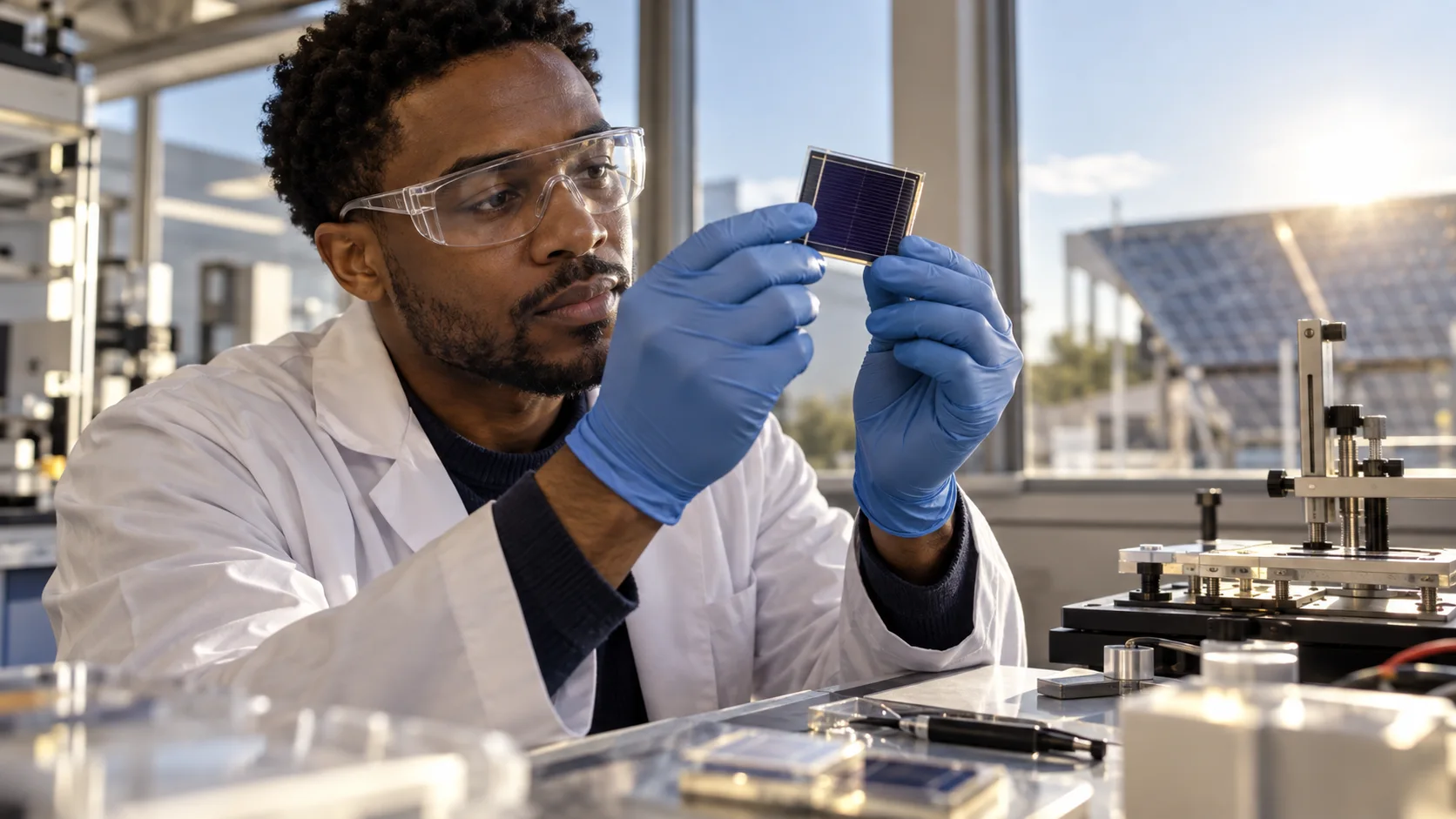
Perovskite-silicon tandem cell reaches certified 28.9% efficiency at 60 cm²
A perovskite-silicon tandem solar cell with a 60 cm² active area reached a certified steady-state efficiency of 28.9%, certified by Fraunhofer ISE CalLab. The reverse-scan efficiency was 29.0%, with an open-circuit voltage of 1.965 V, a short-circuit current density of 18.87 mA/cm² and a fill factor of 77.94%. Two batches of eight large-area devices averaged 29.5% efficiency. The authors used phosphonic-acid and piperazinium chloride treatments to passivate the perovskite layer, which is the same passivation approach as their 1 cm² cells that reached a certified 31.6% steady-state efficiency.
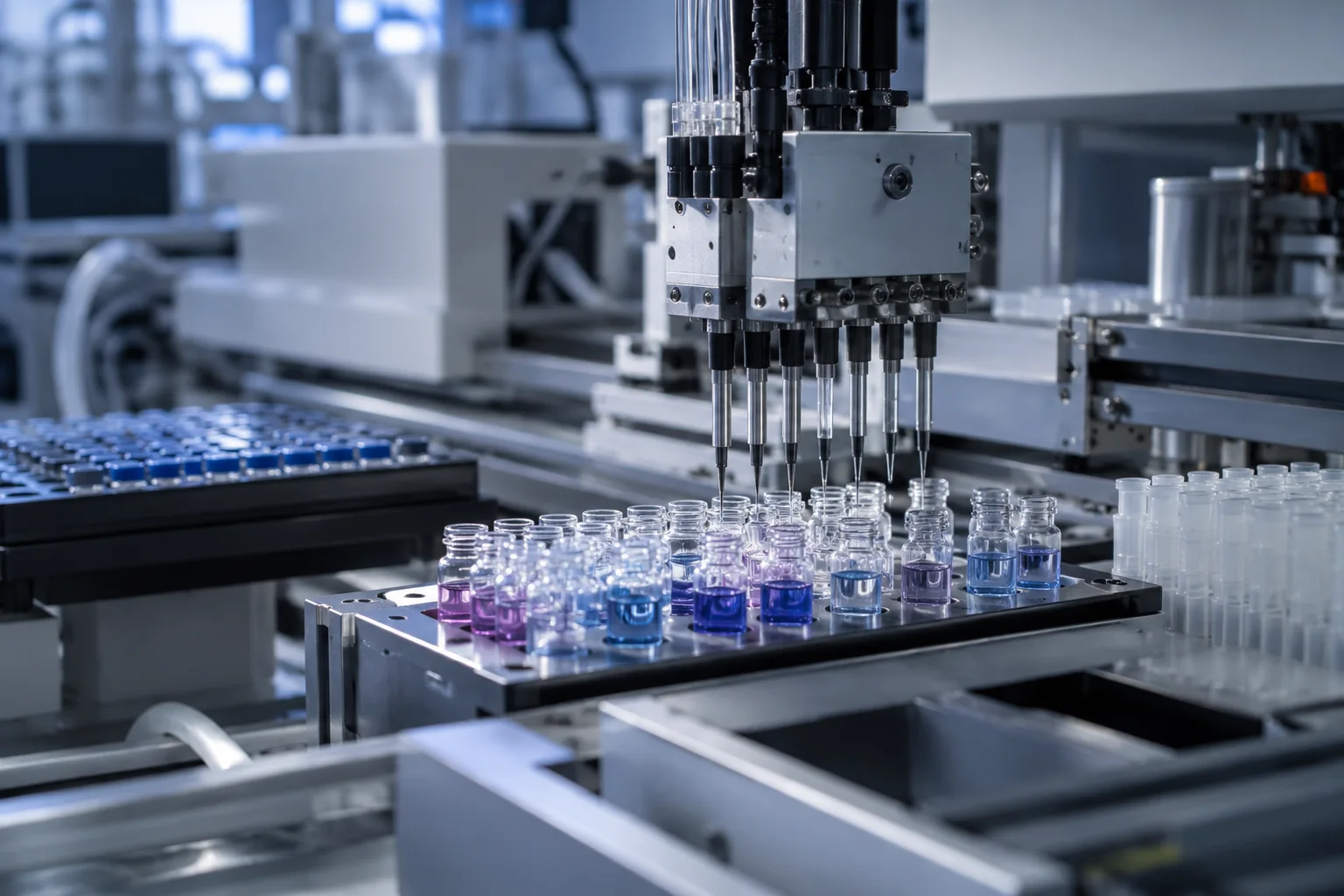
CRESt platform screens more than 900 catalyst chemistries in three months
The Copilot for Real-world Experimental Scientists (CRESt) platform combined multimodal models, knowledge-assisted Bayesian optimisation and robotic experimentation. Applied to electrochemical formate oxidation, the study reports that it explored more than 900 catalyst chemistries and ran 3,500 electrochemical tests over three months, identifying a catalyst in an eight-element Pd–Pt–Cu–Au–Ir–Ce–Nb–Cr composition space with a reported 9.3-fold improvement in cost-specific performance.
Adaptive deep brain stimulation for Parkinson's tested over months in a small open-label trial
In the ADAPT-PD trial, 68 people with Parkinson's disease who already used conventional deep brain stimulation (cDBS) were enrolled. Of these, 40 were evaluated on dual-threshold adaptive DBS (DT-aDBS) and 35 on single-threshold adaptive DBS (ST-aDBS). The primary outcome was on-time without troublesome dyskinesia. Under the prespecified threshold, 95% (DT-aDBS) and 87% (ST-aDBS) of evaluated participants met the goal. The threshold was revised after the planned analysis to a post hoc limit of no more than 2 hours a day of lost on-time without troublesome dyskinesia. Under that revised threshold, 91% (DT-aDBS) and 79% (ST-aDBS) met it. Total electrical energy delivered (TEED), a secondary outcome, was about 13% lower with DT-aDBS (borderline, P = .05) and about 15% lower with ST-aDBS (P = .01) than with cDBS. Mean aDBS exposure was 17.5 months (range 3 to 27). The authors report no unanticipated serious adverse device events.
Field trial on Scottish pasture estimates CO2 removal from basalt using porewater
In a field trial of about 1.5 years on grassland pasture near Stirling, Scotland, crushed basalt applied at 78 and 126 tonnes per hectare gave direct potential CO2 removal of between 0.33 and 0.53 tCO2 per hectare at 5 cm depth, relative to unamended control plots. The estimates are calculated from porewater alkalinity, with porewater sampled from 20 September 2022 to 18 April 2024. After a 22% deduction for outgassing, the range for the significant treatments was 0.257 to 0.413 tCO2 per hectare. The abstract reports figures only for the 78 and 126 tonnes per hectare treatments. The Discussion states that direct removal was between 1.1% and 1.7% of the theoretical maximum.
Hollow-core fibre loss measured below 0.1 dB/km in 2025 Nature Photonics paper
Researchers led by Marco Petrovich and Francesco Poletti reported a measured loss of 0.091 dB/km at 1550 nm for an antiresonant hollow-core fibre, in which light is guided through an air channel rather than solid glass. The preprint abstract says loss stayed below 0.2 dB/km across a 66 THz window, compared with 0.14 dB/km and 26 THz for existing technology. The peer-reviewed version appeared in Nature Photonics under the title 'Broadband optical fibre with an attenuation lower than 0.1 decibel per kilometre'.
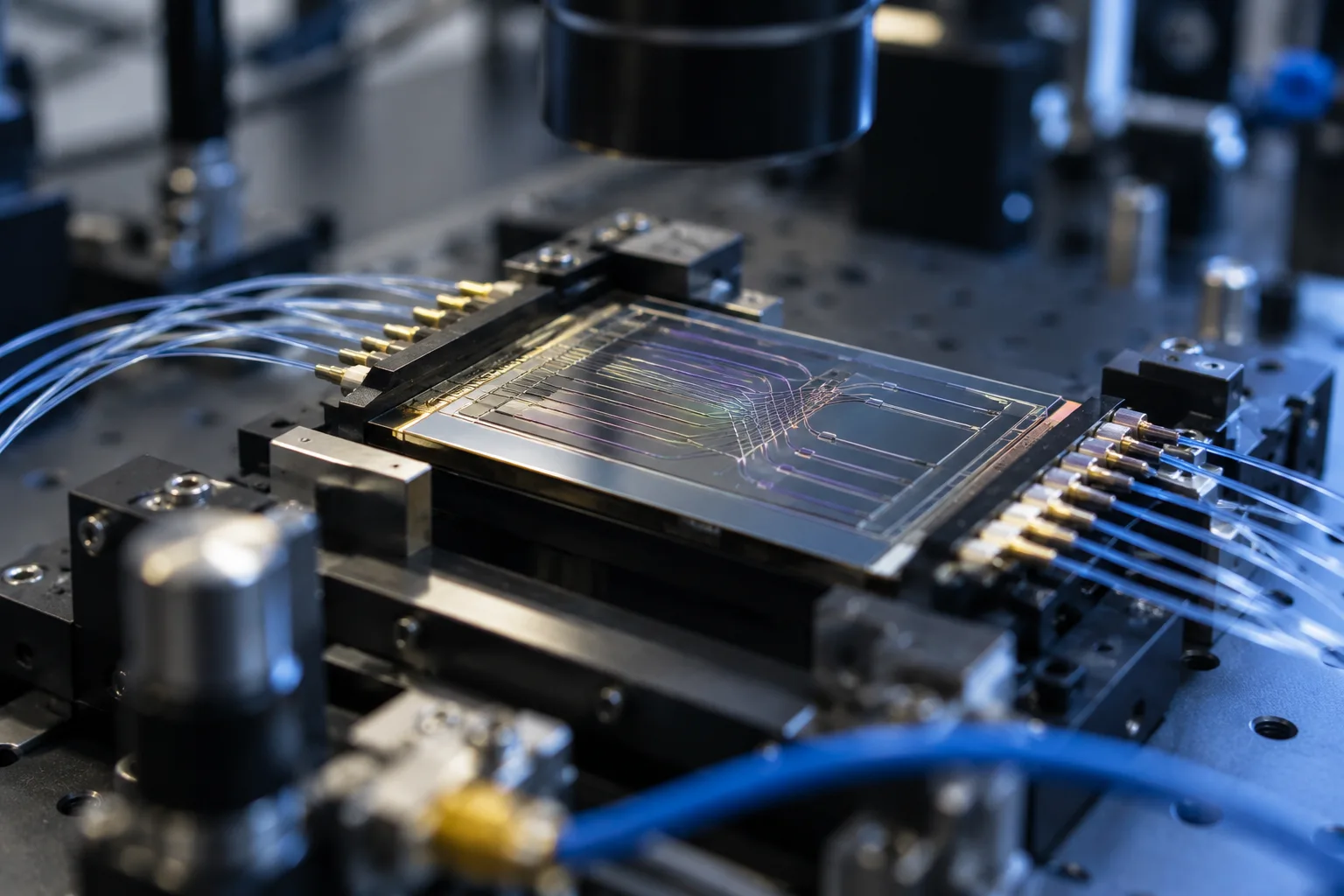
Diffractive photonic processor reports 1,024-size matrix multiplication with 10^-6 mean error
The authors report a reconfigurable diffractive tensor processor, the diffractive tensorized unit, that performs arbitrary matrix multiplication at size 1,024 with a mean absolute error of 10^-6. They also report competitive accuracy on natural-language-generation and cross-modal-recognition tasks, and a 1,000-fold improvement in computing throughput over conventional electronic processors in their own comparison.
Sulfides in Bennu samples point to low-temperature water alteration near 25 °C
Mineral analysis of samples from asteroid (101955) Bennu, returned by NASA's OSIRIS-REx mission, used X-ray diffraction and electron microscopy. The authors report that sulfide compositions indicate alteration at about 25 °C, similar to conditions inferred for asteroid Ryugu and Ivuna-type (CI) chondrites. They also say the altering fluid probably evolved from neutral to alkaline over time, ending with highly soluble salts.
Automated platform optimises nanoparticle synthesis across hundreds of experiments
The platform combined GPT-based literature retrieval, automated synthesis and characterisation, and an A*-based optimisation loop. Researchers applied it to Au, Ag, Cu2O and PdCu nanoparticles. For multi-target gold nanorod synthesis, the study ran 735 experiments to optimise longitudinal plasmon peaks across 600–900 nm; it also reports 50 experiments for gold nanospheres and silver nanocubes. Under repeated identical gold-nanorod parameters, peak and full-width-at-half-maximum deviations were no greater than 1.1 nm and 2.9 nm, respectively.
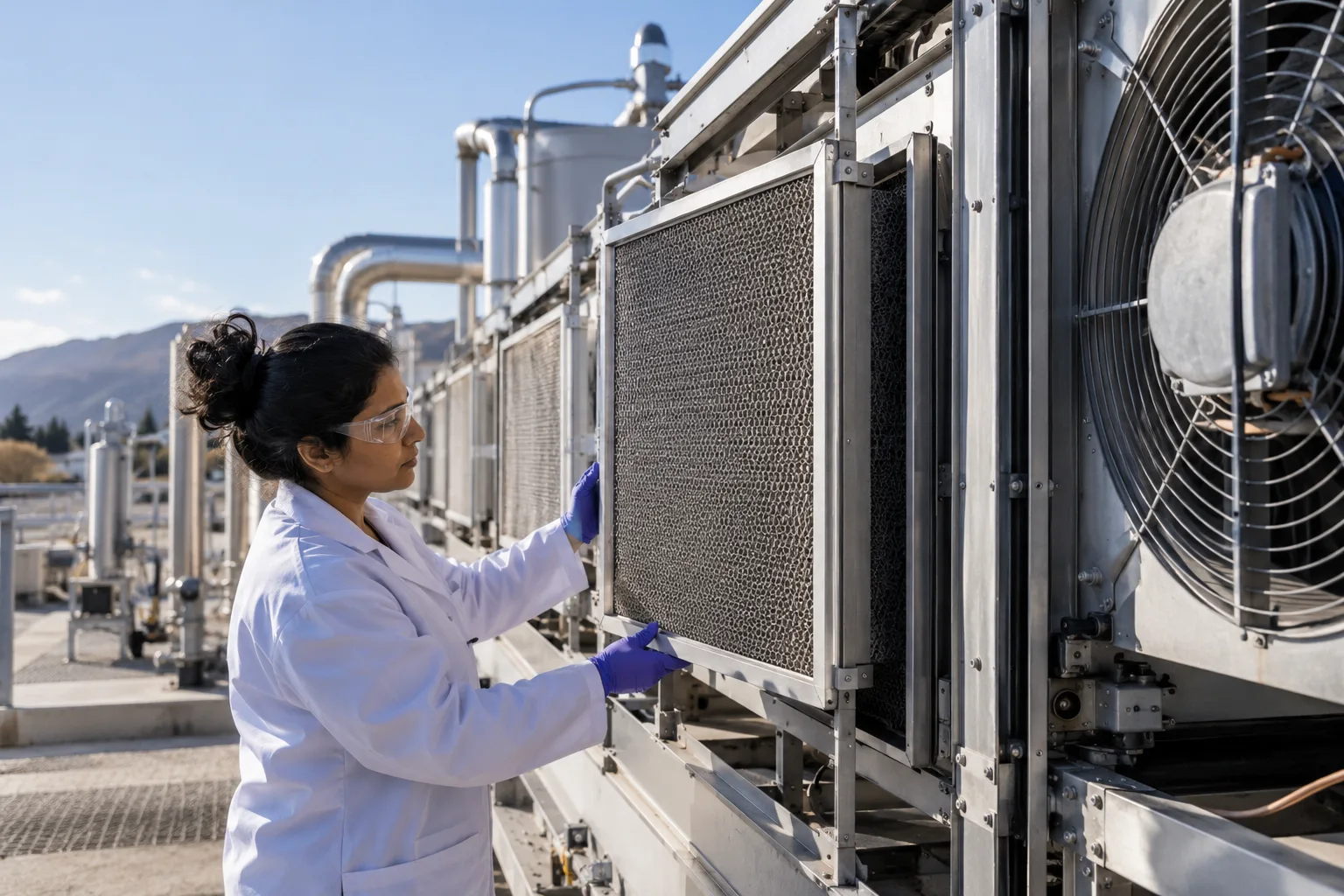
Preprint: outdoor moisture-driven pilot could deliver about 100 g of CO2 a day
A resin sorbent captured CO2 from ambient air, then released it into an alkaline aqueous medium when moistened. A small pilot-scale system, which the abstract says could deliver about 100 g of CO2 per day, was operated outdoors in a 4.2 m² raceway pond. A lab-scale system delivered about 1 g of CO2 per day in a laminar flow hood. The abstract does not state the outdoor test duration, location or humidity conditions.
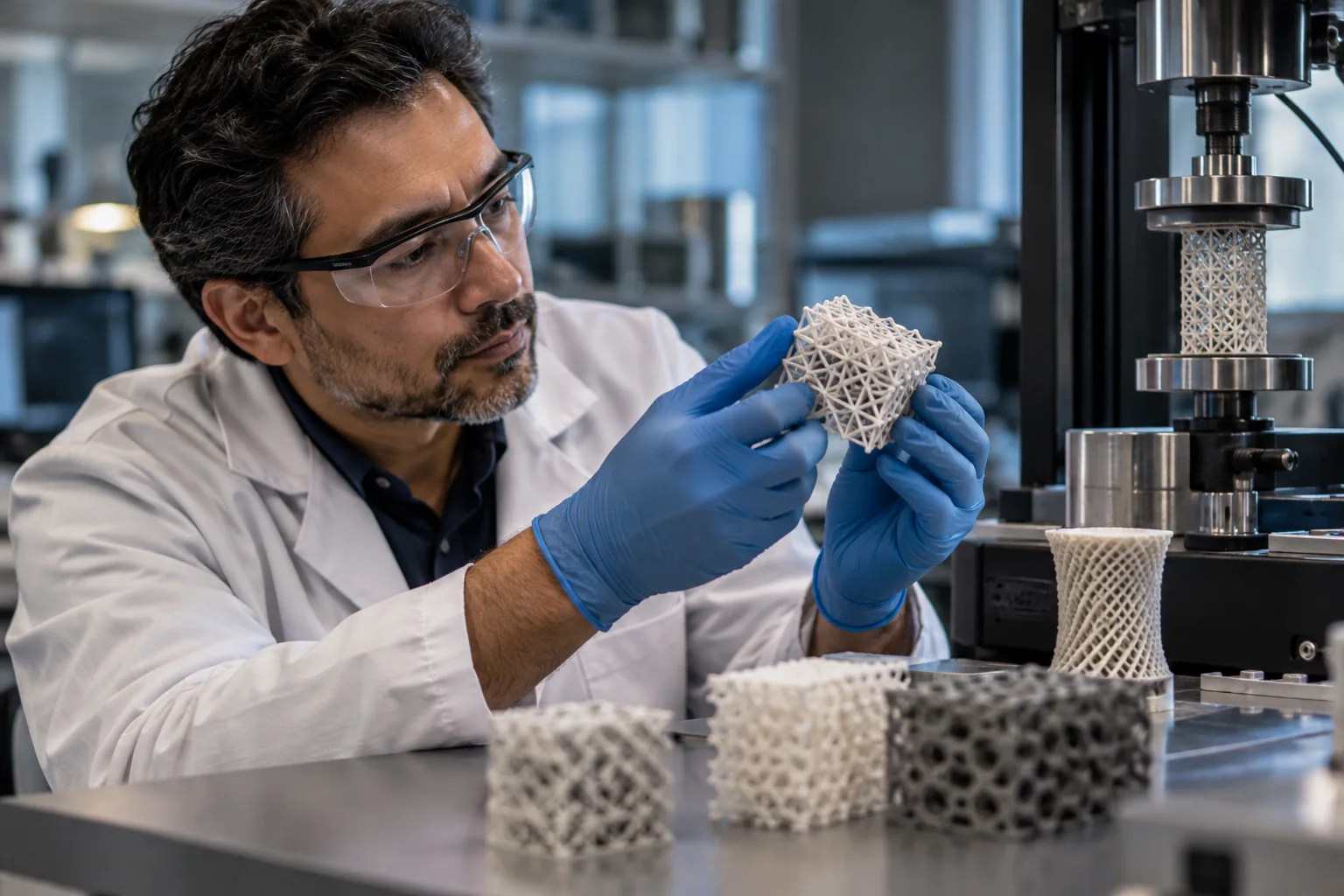
Preprint: graph-based design tool tunes 3D woven lattices for stiffness and stretch
Microscale in situ tension experiments and computational models on 3D woven lattices, built with a new graph-based design framework, showed anisotropic stiffness that varied by more than an order of magnitude and stretchability up to a stretch of four, according to the abstract. The authors also report programmable failure patterns. The abstract gives no sample dimensions, base material or test conditions.
Lab-scale dynamic culture yields about 4,600 red cells per stem cell
In an optimised, feeder-free suspension culture that the authors describe as xeno-free, iPSCs produced about 4.6 × 10³ red cells per iPSC. The paper reports 40 to 70% enucleation in its abstract; individual results sections give narrower ranges of 48 to 62% and 46 to 71%. The shaker cultures used 125 mL Erlenmeyer flasks and Cytodex 1 microcarriers, and stirred-tank bioreactors were not tested. The authors estimate that about 4.9 × 10⁷ iPSCs would be needed for one minitransfusion unit of 1 × 10¹¹ enucleated cells.
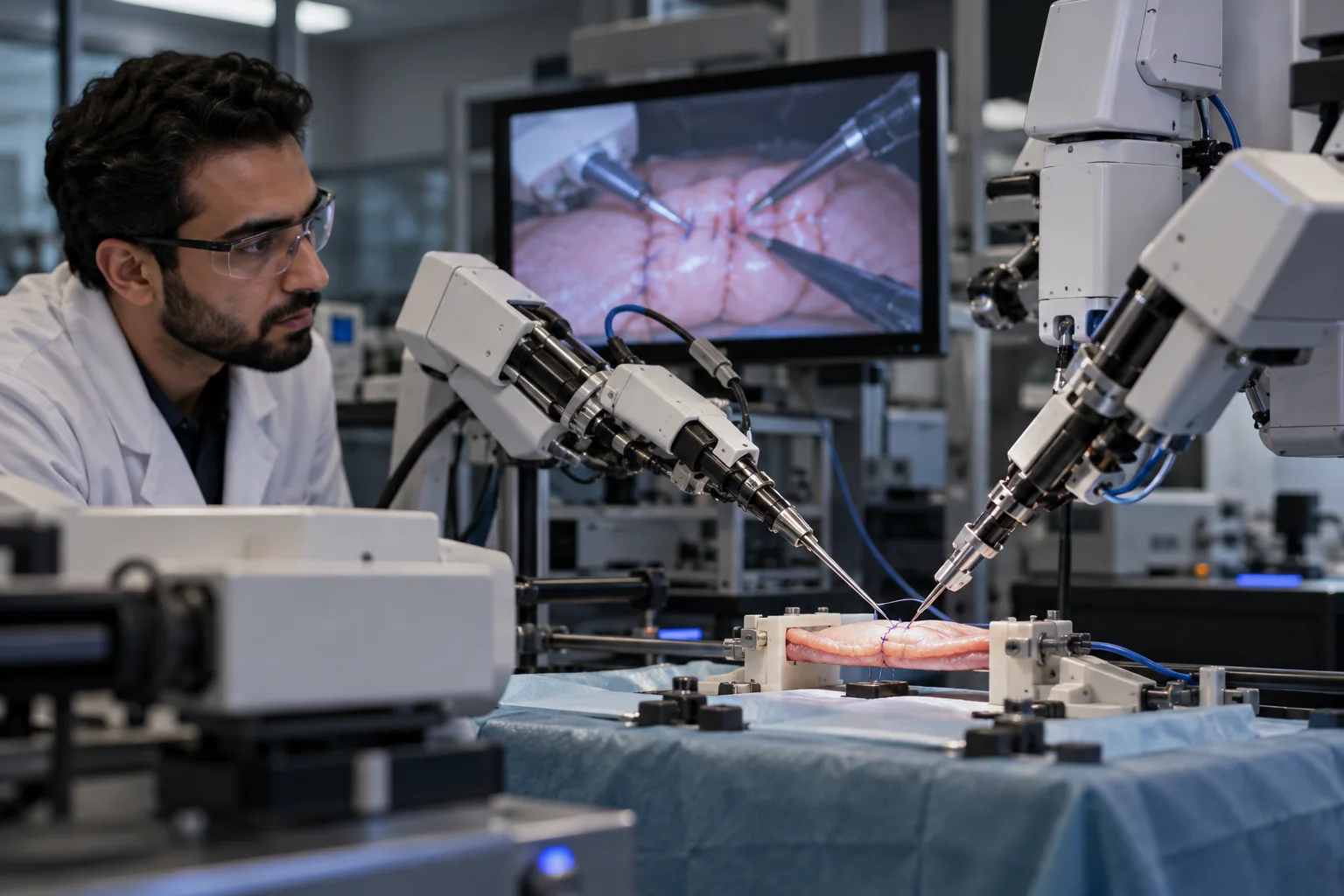
Robot performs gallbladder removal steps autonomously on eight ex vivo specimens
A hierarchical control framework (SRT-H) combined a high-level planner that issues task and corrective instructions in natural language with a low-level policy that generates robot trajectories, trained by imitation learning. In ex vivo cholecystectomy experiments it completed the targeted procedure steps with a 100% success rate across eight gallbladders, without human intervention.
Black carbon fell 19 to 43 percent in an 11-year biochar field trial
In a long-term field experiment near Bayreuth, Germany, started in 2010 on a sandy loam Cambisol with 507 mm mean annual precipitation, pine-wood biochar applied at 31.5 Mg per hectare raised black carbon stocks about threefold, to 15 to 20 Mg C per hectare. Between years 3 and 11, black carbon fell by 43 percent in the biochar-only treatment and by 19 percent where biochar was applied with compost. The Results describe the 43 percent decline as significant and the 19 percent decline as not significant, and the authors report no statistically significant difference between the two treatments. Biochar metabolites (BCm) made up less than 3 percent of total black carbon according to the abstract, and the authors conclude that BCm is a negligible loss pathway over this period.
Neutral-atom array holds over 3,000 atoms for more than two hours
The team reloaded a neutral-atom array at a rate of 300,000 atoms per second, producing over 30,000 initialised qubits per second. Using this loading scheme, they assembled and maintained an array of more than 3,000 atoms for over two hours. The authors report that refilling the array with atoms in either a spin-polarised or a superposition state preserved the quantum states of qubits already stored. The result shows continuous operation and reloading of a large array; it does not report a logical qubit or an error-corrected calculation.
Brain-computer interface synthesises a participant's voice in real time, including intonation
Using 256 microelectrodes implanted in the ventral precentral gyrus of one man with ALS and severe dysarthria, the team decoded neural activity directly into synthesised voice with closed-loop audio feedback, rather than into text. The decoder also captured paralinguistic features, letting the participant change intonation and sing short melodies through the system.
Tel Aviv University team edits over 1,300 tomato plants, each with a different gene group targeted
A Tel Aviv University news release, dated June 2025, describes a CRISPR method that starts from leaf tissue rather than seeds and can target thousands of genes at once. The researchers created over 1,300 tomato plants, each with edits in a different gene group. The release reports significant changes in traits including sweetness and nutrient use. It gives no numerical effect sizes, and it does not state the field or greenhouse conditions or the number of replicates.
Leeds researchers record seismic signals along a fibre cable in boreholes up to 250 m deep
University of Leeds researchers installed a fibre-optic cable in boreholes on the university campus, reaching depths of up to 250 m. Surveys in autumn 2024 produced seismic signals that could be detected with distributed acoustic sensing (DAS) along the full cable. The post says seismic velocity can be estimated down to around 200 m. The aim was to explore whether local sandstone layers can be used as geothermal reservoirs. The post gives no numerical velocity values and no error bounds.
Infant receives a base-editing therapy designed for his own mutation
After a newborn was diagnosed with severe carbamoyl-phosphate synthetase 1 deficiency, the clinical and research team developed a lipid nanoparticle-delivered base-editing therapy for his specific variant. After regulatory approval, he received two infusions at about 7 and 8 months of age. In the 7 weeks after the first infusion he tolerated more dietary protein and his nitrogen-scavenger dose was halved, with no serious adverse events.
Logical qutrit and ququart memories exceed break-even in bosonic error correction
In an experiment reported in Nature, a logical qutrit (d=3) and a logical ququart (d=4), each encoded in a Gottesman-Kitaev-Preskill (GKP) bosonic code and used as a quantum memory, were error-corrected beyond break-even. The authors report gains of 1.82 ± 0.03 for the qutrit and 1.87 ± 0.03 for the ququart. A reinforcement learning agent was used to optimise the GKP qutrit and ququart as ternary and quaternary memories.
Radio-frequency ion micropropulsion flight-tested on the Taiji-1 satellite
In-orbit tests of the radio-frequency ion micropropulsion system on Taiji-1, a satellite launched in August 2019, showed that all four thrusters passed their key performance tests. The paper reports a thrust range of about 5 to 52 μN, a thrust response time of about 20 ms, and a thrust noise of about 0.4 μN/√Hz at 50 μN thrust. The authors say the in-orbit characterisation has reached the expectations of the Taiji-1 mission.
Amazon says its Vulcan picking robot can handle about 75% of stocked item types
Amazon reports that its Vulcan robot, which uses force-feedback sensors and a camera, can pick and stow approximately 75% of the various types of items it stores at its fulfilment centres. Amazon describes its speed as comparable to that of front-line employees. When Vulcan cannot move a specific item, it can ask a human partner to take over. Amazon names its Spokane and Hamburg sites as places where Vulcan is focused on picking from the top rows of inventory pods. These are company statements, not results from an independent test.
Microfluidic platform encodes 2,304 bits into DNA in four hours on benchtop
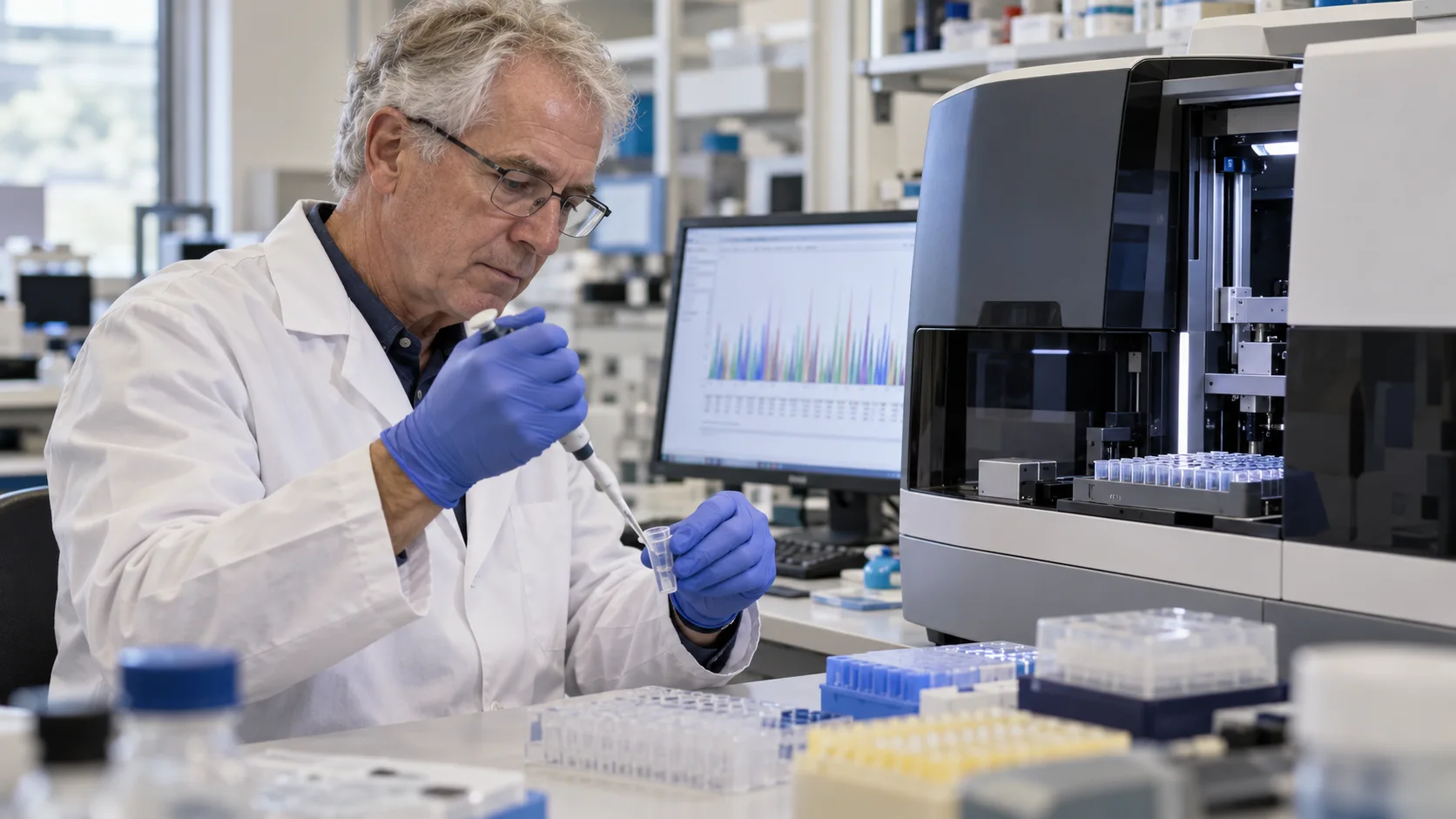
In a proof-of-concept study, binary data was written into DNA by overlap-extension PCR and programmable microfluidic partitioning. The authors report 2,304 bits encoded within 4 hours on a benchtop instrument, using an integrated microfluidic circuit with a 48 x 48 array. Sequencing confirmed the encoding, and the body text reports 100% accuracy at a threshold of 50 reads. A microfluidic qPCR platform decoded the data, with a write-to-read latency of about 8 hours, which the authors compare with about 5 days for conventional methods. The qPCR read of the 2,304-bit image had an error rate of about 0.9%, all of them 1-to-0 errors.
Low-intensity focused ultrasound to the amygdala changes brain activity and reduces distress symptoms in an early human study
In a double-blind, within-subject, sham-controlled target engagement study, MRI-guided low-intensity transcranial focused ultrasound was aimed at the left amygdala during fMRI in 29 patients with mood, anxiety or trauma-related disorders and 23 healthy comparison subjects. Active stimulation reduced left amygdala BOLD signal on average compared with sham. The same patients then received 15 daily sessions over three weeks in an unblinded single-arm trial. The primary outcome, the General Distress subscale of the Mood and Anxiety Symptom Questionnaire, fell significantly (p = 0.001, Cohen's d = 0.77). The authors report no serious adverse events.
Twin-field quantum key distribution runs over a 254 km commercial telecom network at 110 bits per second
Pittaluga and colleagues report implementing the coherence-based twin-field QKD protocol over a 254 km commercial telecom network, achieving encryption key distribution at 110 bits per second. The accessible abstract does not give the link endpoints, the cooling or detector method, or the network operator, so the record does not state them.
FDA sets out plan to phase out animal testing requirements for monoclonal antibodies
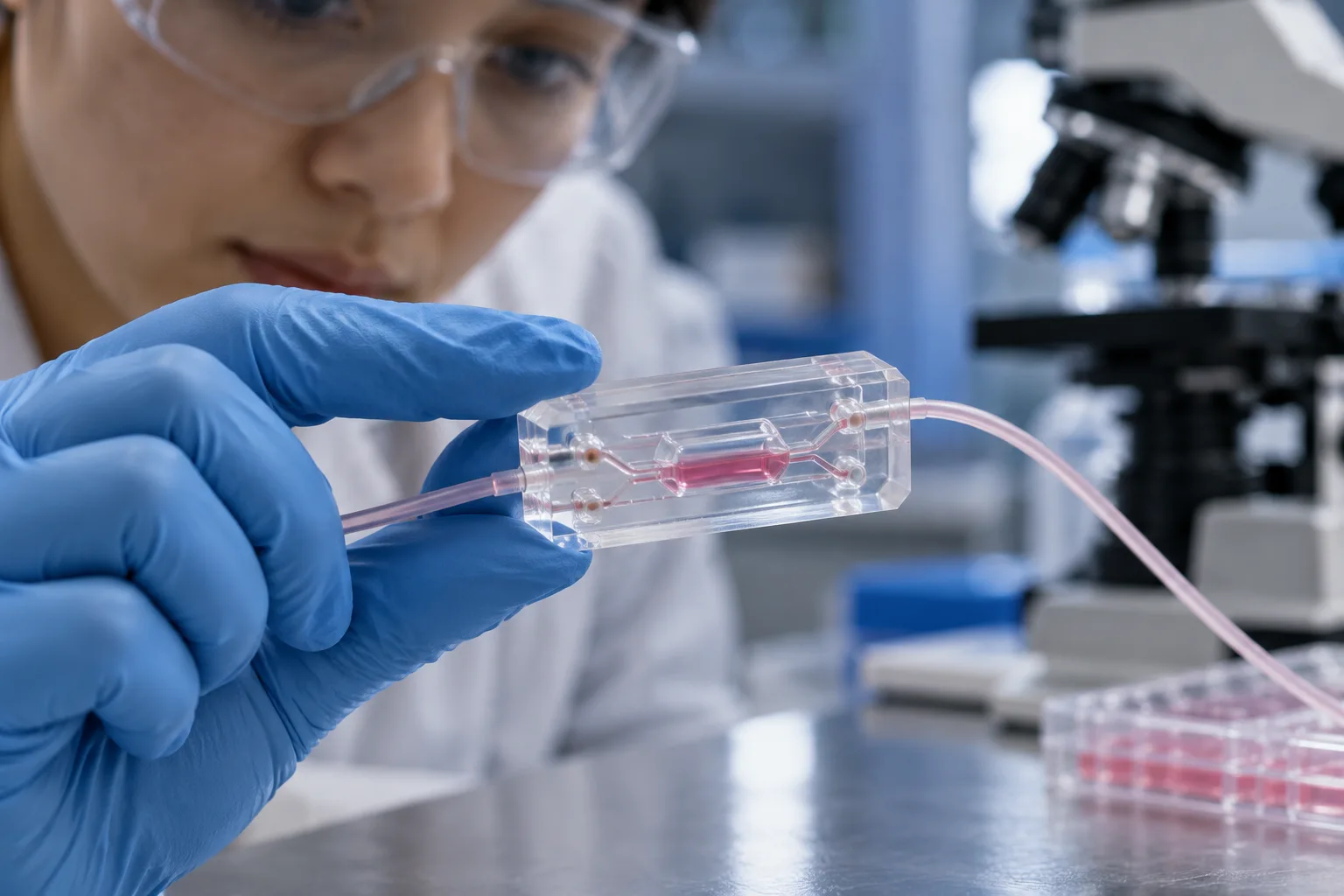
No experiment: this is a regulatory policy event. The US Food and Drug Administration announced a plan to reduce, refine or potentially replace animal testing requirements, starting with monoclonal antibodies, and published a 'Roadmap to Reducing Animal Testing in Preclinical Safety Studies'. It named AI-based computational toxicity models, cell line and organoid testing, and organ-on-a-chip systems as alternatives, and said IND applications were encouraged to include such data immediately.
An integrated photonic accelerator with more than 16,000 components reduces computation time for Ising-problem solvers
Hua and colleagues report a large-scale integrated photonic accelerator with more than 16,000 photonic components, built to perform linear matrix multiply-accumulate operations at up to 1 GHz, with about 3 ns latency per cycle. The authors co-integrated electronic logic, memory and control chips with the photonics using 2.5D hybrid advanced packaging. They report that the low latency reduces computation time for heuristic solvers of hard Ising problems.
Photonic processor runs ResNet, BERT and an Atari reinforcement learning agent
Lightmatter researchers described a photonic AI processor that executed full models, including ResNet, BERT and the DeepMind Atari deep reinforcement learning algorithm, and reported near-electronic precision for many of these workloads.

Canada authorises construction of one BWRX-300 small modular reactor at Darlington
On 4 April 2025 the Canadian Nuclear Safety Commission (CNSC) issued Ontario Power Generation Inc. a power reactor construction licence for one GE Hitachi BWRX-300 at the Darlington New Nuclear Project site in Clarington, Ontario. The licence is valid until 31 March 2035. The CNSC project page describes the BWRX-300 as a 300 MWe, water-cooled, natural circulation small modular reactor, and the project as covering up to four new reactors. This is a licence decision, not an operating result. The sources reviewed report no construction progress and no operating record at the site.
Millimetre-scale bioresorbable pacemaker is controlled by light and dissolves after use
A team led by Northwestern University built a millimetre-scale bioresorbable optoelectronic pacemaker with an onboard power supply and wireless optical control, small enough for injection or endovascular delivery. The devices paced effectively in mouse, rat, pig, dog and human cardiac models at single and multiple sites. Paired with a skin-mounted wireless unit, they ran in closed loop, pacing on detection of arrhythmias.
Fudan team builds a 32-bit RISC-V microprocessor from 5,900 MoS2 transistors
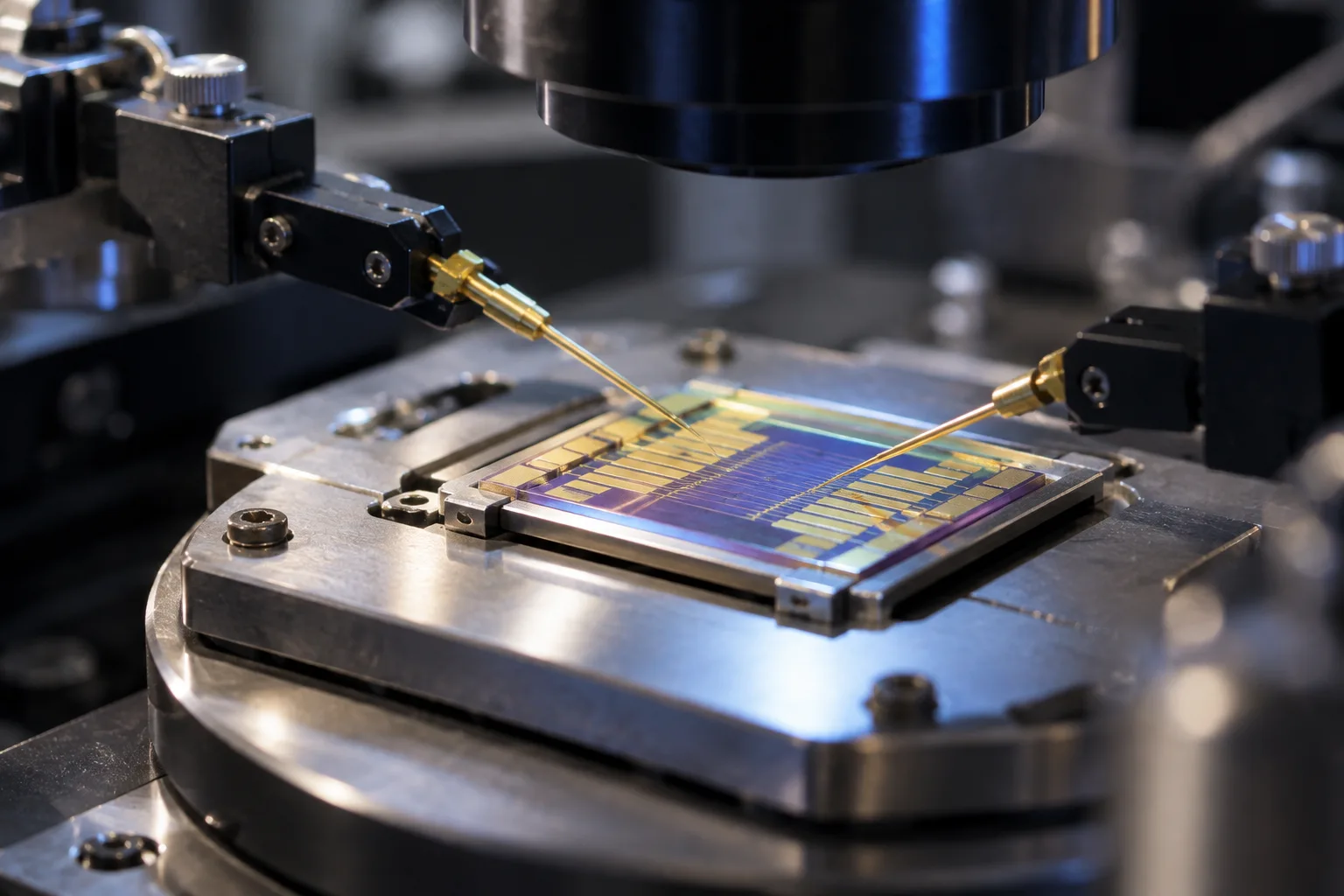
Researchers at Fudan University fabricated a RISC-V microprocessor that executes standard 32-bit instructions using 5,900 transistors made from the two-dimensional semiconductor molybdenum disulfide (MoS2), together with a standard cell library of 25 logic unit types, by co-optimising the process flow and circuit design. Previous 2D semiconductor circuits had reached only a few hundred transistors.
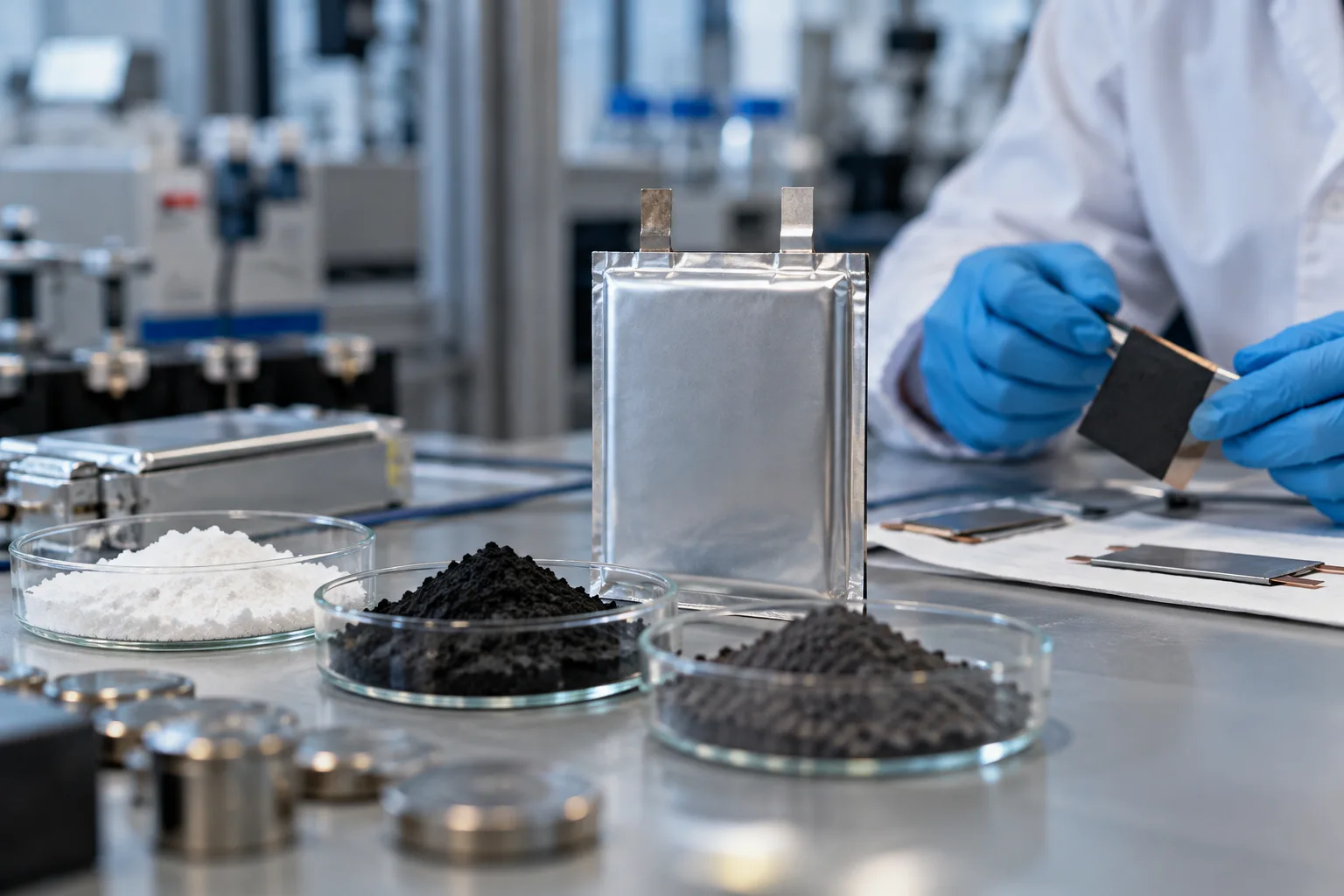
Heat-responsive gel electrolyte raises thermal-runaway onset in sodium-ion pouch cells
The researchers formed a smart gel polymer electrolyte in hard-carbon||NaNi1/3Fe1/3Mn1/3O2 sodium-ion cells. In the reported pouch-cell calorimetry, the thermal-runaway onset increased from 137.2 °C to 177.4 °C under the study protocol. A full cell with a 14 mg/cm2 positive-electrode mass loading retained 80% of capacity after 500 cycles at 50 °C. Above 120 °C, additional polymer crosslinking was designed to impede ion transport.
A quantum microsatellite distributes real-time keys to portable ground stations, linking Beijing and Stellenbosch
Li, Cai, Ren, Pan, Peng, Liao and colleagues at the University of Science and Technology of China report a quantum microsatellite performing space-to-ground QKD in real time with several portable ground stations. Bidirectional optical communication is multiplexed with the quantum channel, so keys can be distilled and used for encrypted communication in real time. The satellite acted as a trusted relay for key sharing between Beijing and Stellenbosch, South Africa, about 12,900 km apart. The 2024 preprint gives a payload of about 23 kg and a portable ground station of about 100 kg. The CAS press release reports up to 1 Mbit of secure key per satellite pass.
Cycling titanium dioxide forms rocksalt nanograins for sodium-ion storage
In laboratory sodium half-cell tests, electrochemical cycling converted anatase or amorphous TiO2 through an amorphous stage into rocksalt NaTiO2 nanograins. After 20 pre-cycles, the c-a′-RS-NaTiO2 electrode delivered 253 mAh/g at 0.1 A/g and retained 72% capacity after 5,000 cycles at 2 A/g. The paper also assembled TiO2(A)||Na3V2(PO4)3 full cells and reported electrochemical activation during cell ageing.
ECMWF puts AIFS machine-learning forecast model into operational use alongside physics model
On 25 February 2025 ECMWF began running its machine-learning model AIFS in operations, side by side with its physics-based Integrated Forecasting System (IFS). ECMWF reports that AIFS outperforms state-of-the-art physics-based models on many measures, including tropical cyclone tracks, with gains of up to 20%, and uses approximately 1,000 times less energy to make a forecast. The announcement does not name the baseline, the measure behind the 20% figure, or the verification period, and it gives no figure for speed.
Ten people with chronic spinal cord injury show gains in strength and balance over one year
The operator's announcement reports that, in a one-year study of 10 adults with chronic cervical or thoracic spinal cord injury, 120 treatment sessions of transcutaneous spinal cord stimulation (ONWARD's ARC-EX Therapy), combined with activity-based rehabilitation, were followed by gains in upper body strength, trunk control and balance. The announcement says there was no indication of a plateau in benefit after one year. It reports that three participants improved their AIS classification, and four showed a change in neurological level of injury, including one who moved from complete to incomplete injury. The announcement gives no numerical strength, balance or function scores and no adverse event data.
OSIRIS-REx samples from asteroid Bennu contain salts from an evaporated ancient brine
Analysis of samples of asteroid (101955) Bennu returned by NASA's OSIRIS-REx mission found sodium-bearing phosphates and sodium-rich carbonates, sulfates, chlorides and fluorides, interpreted as forming during evaporation of a late-stage brine early in the history of Bennu's parent body.
Xanadu reports Aurora, a networked photonic quantum computer built from 35 chips
Xanadu announced Aurora, a modular photonic quantum computer built from 35 photonic chips, with 12 qubits and about 13 km of fibre optics in total, described as operating at room temperature. The company says the results were published in Nature and quantified optical loss tolerances, but its announcement gives no numerical loss figure.
EU authorises UV-treated yellow mealworm powder as a novel food
On 20 January 2025 the European Commission authorised the placing on the market of UV-treated powder of whole, thermally treated and ground yellow mealworm (Tenebrio molitor) larvae as a novel food. The Commission's insect novel food page links the authorisation to Commission Implementing Regulation (EU) 2025/89. The page gives no conditions of use beyond the applicant's proposal, and no feed conversion, cost or environmental figures for the product.
Coloured-resist flat lenses focus 550 nm light to a 1.1 µm spot without etching
Flat Fresnel zone plate lenses were patterned from coloured photoresist on 8-inch glass wafers using an i-line stepper, with no etching step. At a 550 nm design and test wavelength, they focused light to a spot about 1.1 µm in diameter. Measured focusing efficiency was 7.2%, counted within 3 times the full width at half maximum. Simulation gave 7.3%. The lenses imaged features down to 1.1 µm on a USAF 1951 target.
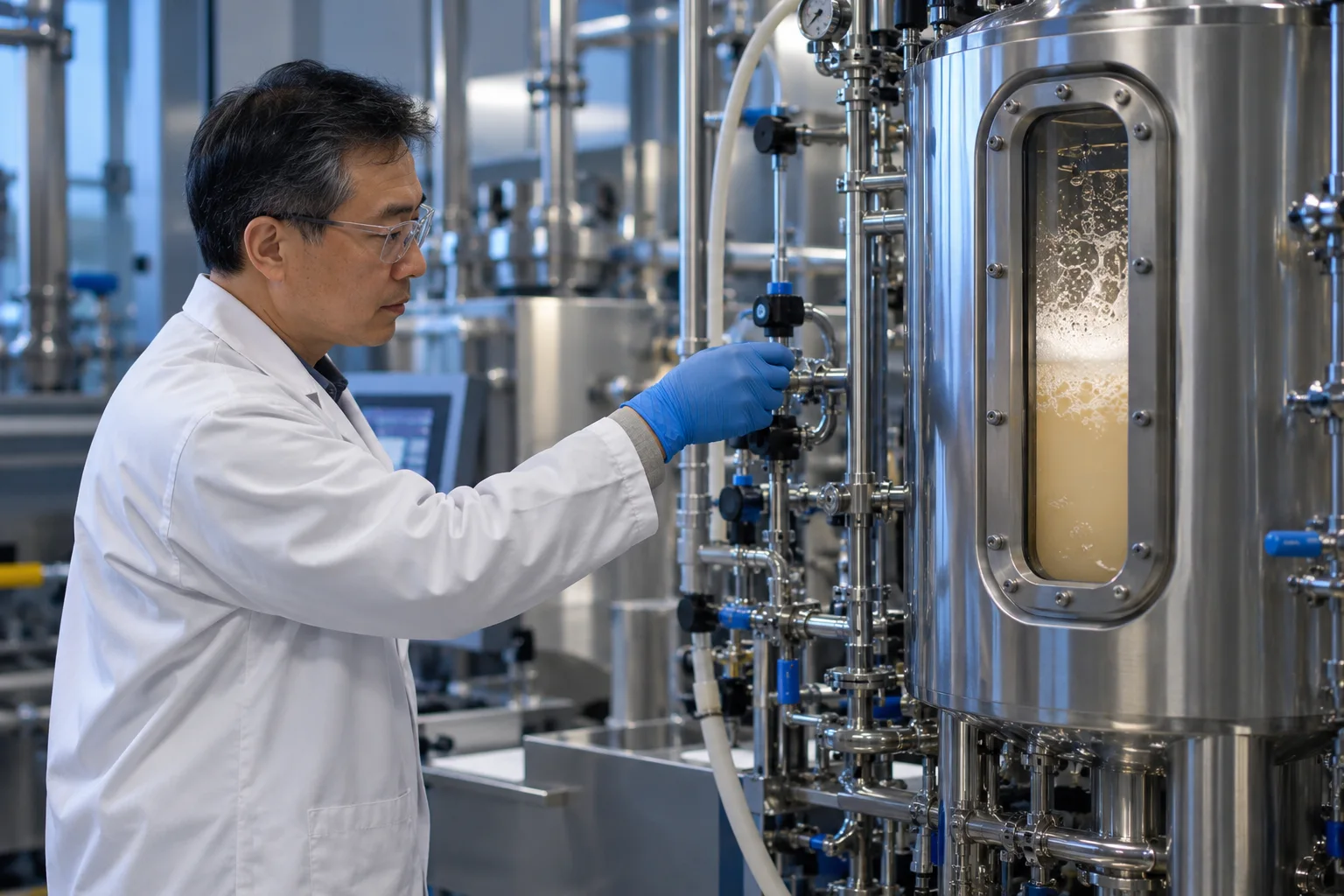
Genome-reduced Bacillus subtilis reaches 56.9 mg/L of alpha-S1-casein in fed-batch
In a 42 litre fed-batch fermenter run in biological duplicate, the genome-reduced Bacillus subtilis strain IIG-Bs-20-5-1 reached a maximum alpha-S1-casein content of 56.9 ± 11.6 mg/L of bovine alpha-S1-casein, measured 22 hours after induction. The paper reports a yield of 2.16 mg casein per gram of cell dry weight, and 1.6 mg per gram after reducing the host's own protein content. It does not clearly state which processing step the 2.16 figure refers to. Casein was detectable only in the insoluble protein fraction, and only in this strain; the non-sporulating comparison strain BMV9 gave no detectable casein.
2024
Ireland's Grange Close printed social housing completed in 132 working days, company reports
According to a COBOD announcement, the Grange Close scheme in Ireland, a terrace of three apartments of 110 m² each (330 m² total floor space), was built by Harcourt Technologies (HTL.tech) with a COBOD BOD2 printer, to ISO/ASTM 52939:2023. The announcement reports completion in 132 working days, against 203 working days for conventional methods (its introduction says more than 200 days). It reports 12 printing days for the walls. These timing figures are the builder's and printer maker's own and have not been independently verified.
Hemp-based mycelium composite measured at 40 mW/(m·K) thermal conductivity
In a laboratory study, mycelium biocomposites made from hemp shives, with the fungus Trametes versicolor, had a thermal conductivity of 40 mW/(m·K) according to the abstract. The results text gives an average of 40 to 41 mW/(m·K) for the hemp group, the lowest group average among the four substrate groups tested (twelve variants in total). Conductivity was measured with a heat flow meter to ISO 8301:1991 on 200 × 200 × 30 mm specimens (three per variant). The three hemp variants had densities of 0.09 to 0.14 g/cm³ and bending strengths of 0.10 to 0.15 MPa.
Google Quantum AI reports surface code memories operating below the error-correction threshold
On the Willow superconducting processor, the team ran a distance-7 surface code memory (101 qubits) and a distance-5 memory with a real-time decoder. Logical error per cycle fell by a factor of 2.14 (plus or minus 0.02) each time code distance increased by 2, reaching 0.143% per cycle at distance 7. The distance-7 logical memory outlived the best physical qubit on the chip by a factor of 2.4 (plus or minus 0.3). Real-time decoding at distance 5 ran for up to a million cycles with an average decoder latency of 63 microseconds and a 1.1 microsecond cycle time.
Pelleted Asparagopsis seaweed cut methane 37.7% on average in grazing steers
In a 70-day trial with 24 Wagyu-Angus crossbred steers on irrigated pasture at a ranch in Montana, steers given pelleted Asparagopsis taxiformis (Brominata) at 20% of pellet composition had an average enteric methane reduction of 37.7% compared with controls, as stated in the paper. Methane was measured with GreenFeed units, which also dispensed the pellets. The abstract reports 115 vs 185 g/d of enteric methane in the optimal and decreasing phases. Average bromoform intake was 193 mg/d. Liveweight, average daily gain and predicted dry matter intake did not differ between groups. Pasture supplied more than 95% of total feed intake.
ADRAS-J approaches a rocket upper stage to 15 metres, then aborts on attitude anomaly
Between May and November 2024, the ADRAS-J inspection spacecraft approached a spent rocket upper stage, which Astroscale describes as space debris. Astroscale reports that the spacecraft first came within about 50 metres of the stage on 23 May 2024 and came within about 50 metres again on 14 July 2024. It completed three controlled fly-around operations. Astroscale reports that on 30 November 2024 the spacecraft reached about 15 metres from the stage, which it describes as the closest approach ever achieved by a commercial company to space debris using rendezvous and proximity operations. Two fly-around operations confirmed no major damage to the payload attach fitting. After the approach to about 15 metres, the onboard collision avoidance system triggered an autonomous abort because of an unexpected relative attitude anomaly. The spacecraft moved away from the stage as designed and did not reach the capture initiation point. Astroscale Japan was still investigating the cause at the time of the announcement.
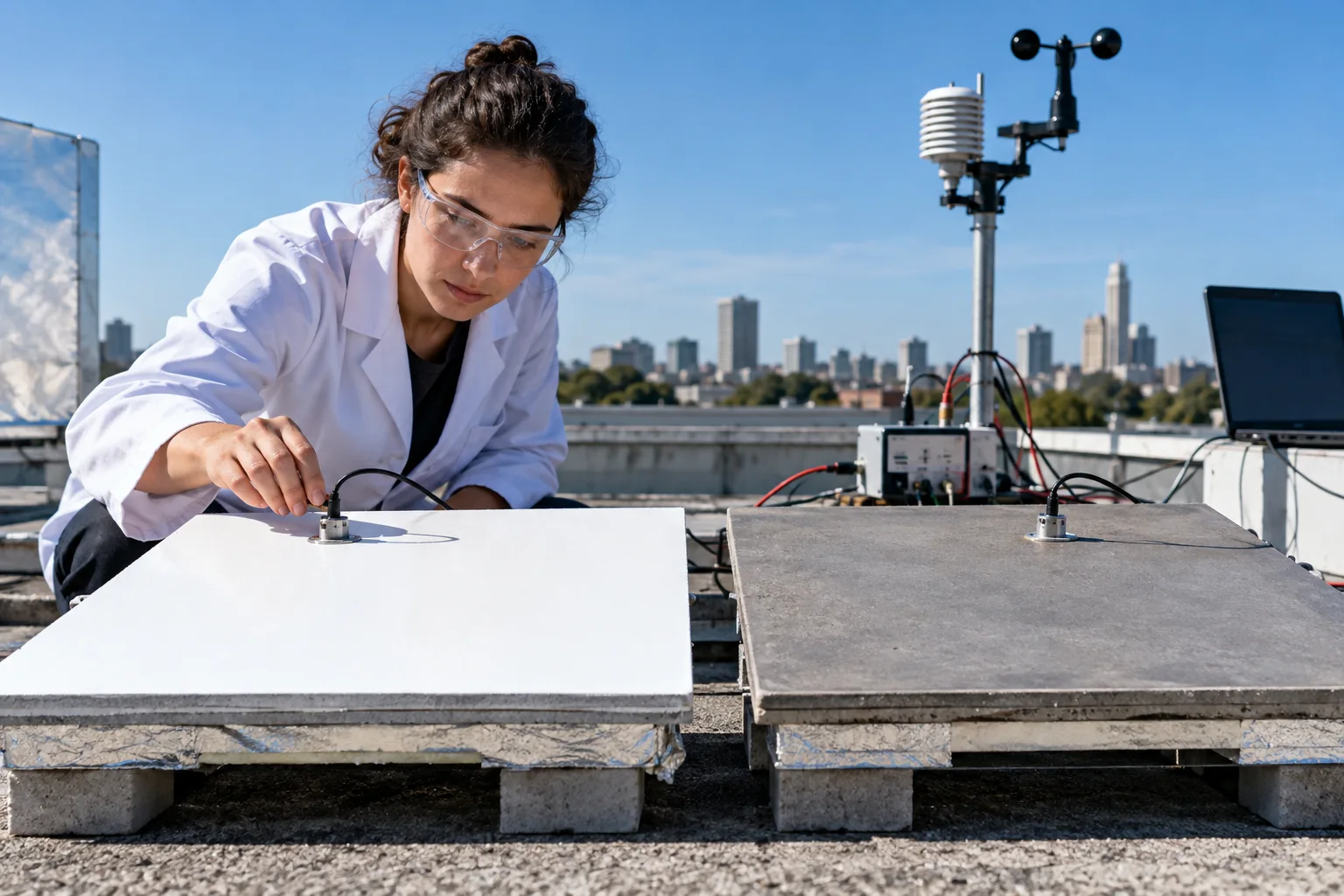
Angularly asymmetric emitter cools a vertical surface below ambient in peak sunlight
A hierarchically designed, angularly asymmetric, spectrally selective thermal emitter mounted vertically reached about 2.5 degrees C below ambient temperature under peak sunlight of about 920 W per square metre. This was about 4.3 degrees C cooler than a silica-polymer hybrid radiative cooler and 8.9 degrees C cooler than commercial white paint under the same conditions.
Soft robotic shorts cut older adults' walking energy cost by 10.48% on level ground
Researchers at TUM and collaborators tested WalkON, a pair of soft robotic shorts that assist hip flexion. Young adults walking 500 m uphill on a hiking trail had a 17.79% reduction in metabolic cost of transport with the shorts. A group of older adults walking 400 m on a flat outdoor track had a 10.48% reduction in metabolic cost during level walking, and gave a mean perceived control score of 6.09 out of 7. The TUM research portal record reports these figures from the paper. The number of participants in each group was not confirmed from the sources reviewed.
Compact soft hip wearable cut walking metabolic cost by 12.7% in a preliminary study of eight adults
Researchers at TUM and collaborators tested LM-Ease, a compact, tendon-driven soft wearable robot for hip assistance, in eight healthy young adults. The abstract reports a 12.7% reduction in metabolic cost during ground walking. The device switches between assistance profiles for sitting, standing and walking. The same abstract reports an average reduction in muscle activation of 15.6% during stand-to-sit and 17.8% during sit-to-stand. The authors describe these results as preliminary.
COF-999 captures carbon dioxide from open air over more than 100 cycles
An olefin-linked covalent organic framework with polyamines grown in its pores (COF-999) took up 0.96 mmol of CO2 per gram under dry conditions and 2.05 mmol per gram at 50% relative humidity, both from 400 ppm CO2. It reached half capacity in 18.8 minutes, regenerated at 60 degrees C, and retained full performance over more than 100 adsorption-desorption cycles in the open air of Berkeley, California.
Data written to DNA by printing epigenetic methylation marks instead of synthesising sequences
Using a set of 700 premade DNA 'movable types' and 5 universal templates, the team used self-assembly-guided enzymatic methylation to write about 275,000 bits without de novo DNA synthesis, at 350 bits per reaction on an automated platform. Data were read back by nanopore sequencing, with algorithms resolving 240 modification patterns per sequencing reaction.
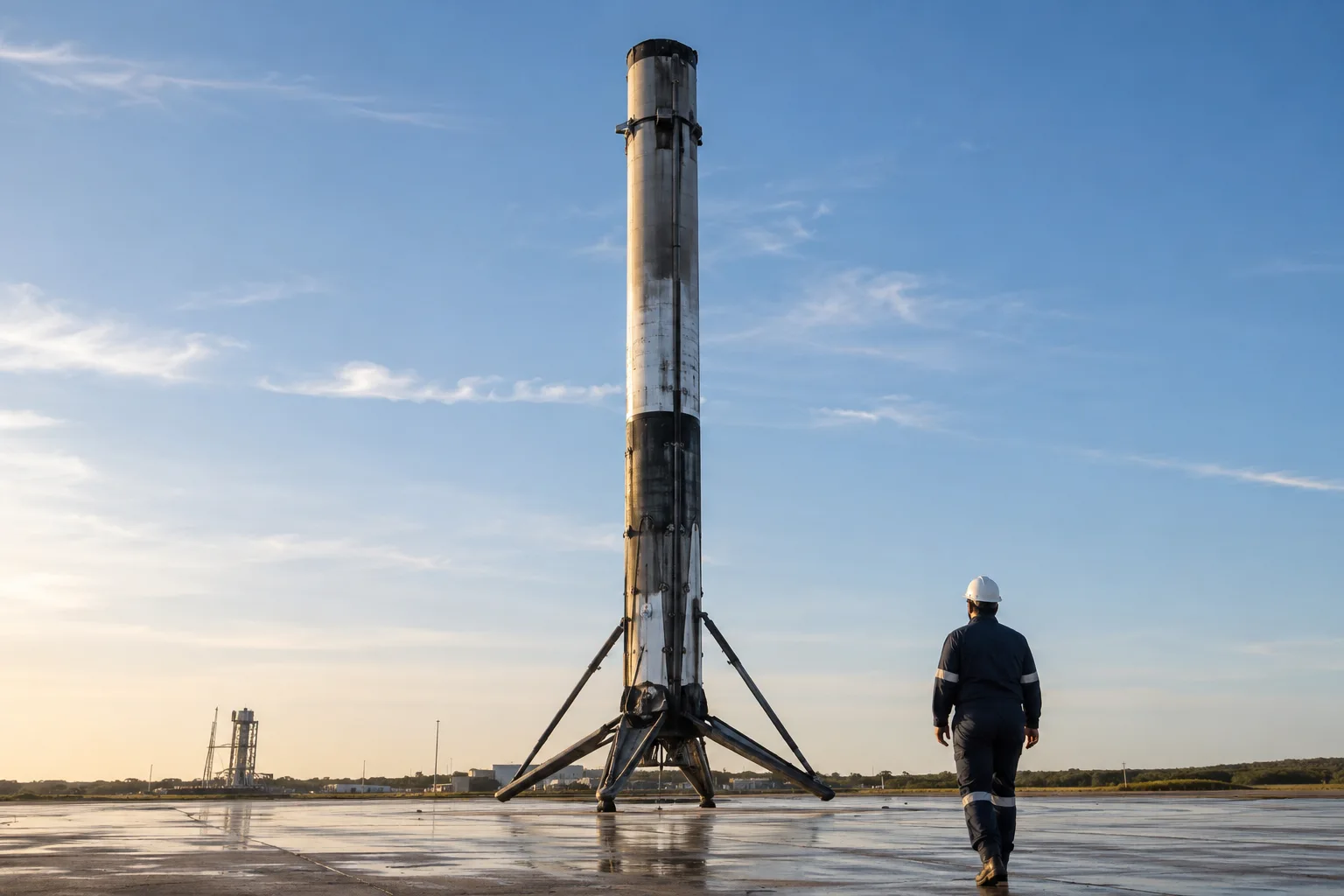
SpaceX catches a Super Heavy booster with launch tower arms on its first attempt
On Starship Flight 5, launched from Starbase near Boca Chica, Texas, on 13 October 2024, a Super Heavy booster was caught by the chopstick arms of the launch tower about seven minutes after liftoff. A SpaceX manager is quoted as saying this was the first attempt at the catch. The booster was not flown again as part of this record.
NASA's deep-space laser test reached 267 Mbps, falling as distance grew
NASA's Deep Space Optical Communications (DSOC) experiment, flown on the Psyche spacecraft, reached a system maximum of 267 Mbps when the spacecraft was about 33 million miles (53 million km) from Earth. On 24 June 2024, at about 240 million miles (390 million km), the link sustained 6.25 Mbps with a peak of 8.3 Mbps. The uplink used a 7 kW laser at JPL's Table Mountain facility, and the downlink was received by Caltech's 200-inch Hale Telescope at Palomar Observatory.
Robotic leg driven by electrohydraulic artificial muscles hops over varied terrain
ETH Zurich and Max Planck Institute for Intelligent Systems researchers built a musculoskeletal leg driven by antagonistic pairs of electrohydraulic (HASEL) artificial muscles. Mounted on a boom arm, it moved at gait frequencies above 5 Hz, jumped up to 40% of its own height and hopped over grass, sand, gravel, pebbles and large rocks using open-loop force control. It had a cost of transport of 0.73 and, while squatting, used about 1.2% of the energy of a conventional electromagnetic counterpart. It also detected obstacles through capacitive self-sensing.
ESA-built demonstrator prints first metal part on the ISS
In August 2024 ESA's Metal 3D Printer, a technology demonstrator built by Airbus and partners, finished printing the first 3D metal shape on the International Space Station. The printer was installed in the European Drawer Rack in ESA's Columbus module and print operations were overseen from the ground by CNES. ESA reports the first sample and three further planned samples will return to Earth for quality analysis. The announcement gives no dimensions, alloy name, mechanical properties or quality test results.
Certified 33.89% perovskite/silicon tandem cell exceeds the single-junction Shockley-Queisser limit
A two-terminal monolithic perovskite/silicon tandem cell, built on a double-textured Czochralski silicon heterojunction bottom cell with a lithium fluoride and diammonium diiodide bilayer passivation at the perovskite/electron transport layer interface, reached an independently certified stabilised power conversion efficiency of 33.89%, with a fill factor of 83.0% and an open-circuit voltage of nearly 1.97 V.
NASA reports its ACS3 solar sail deployed in orbit in August 2024
NASA reported on 29 August 2024 that the Advanced Composite Solar Sail System (ACS3), launched on 23 April 2024, was fully deployed in space after a successful test of its sail-hoisting boom system. NASA gives the unfurled sail as approximately 80 square metres (860 square feet), about 9 metres (30 feet) on a side. The NASA mission page describes two booms, each about 7 metres (23 feet) long, made from flexible polymer and carbon fibre materials. NASA says the primary objective is to deploy a new type of boom. A NASA update dated 5 September 2024 said the spacecraft was slowly tumbling, as expected, because its attitude control system was off, and that the team would re-engage that system after characterising the booms and sail.
Battery-free wireless sensor monitors water permeation through implant encapsulation
Researchers tested a flexible RF-backscatter platform using a magnesium resistive sensor to detect water permeation across thin-film encapsulation. Corrosion of the magnesium changed the circuit oscillation frequency. The study reports in-vitro and in-tissue characterisation, including implantation in deeply anaesthetised mice; the mouse implantation tests were performed after euthanasia, not in living animals.
USDA finds HB4 drought-tolerant wheat outside its biotech plant regulations
USDA's Animal and Plant Health Inspection Service (APHIS) completed a Regulatory Status Review of HB4 wheat, a genetically modified wheat developed by Bioceres Crop Solutions with drought tolerance and herbicide resistance. APHIS concluded that the wheat is unlikely to pose an increased plant pest risk compared with other cultivated plants, so it is not subject to the regulations in 7 CFR part 340. According to the ISAAA summary, the same exemption covers progeny from crosses with other modified and non-modified plants. The regulator's decision is about plant pest risk. It does not report drought performance, yield or food safety data.
Intracortical speech neuroprosthesis reaches 97.5% accuracy in a man with ALS
In one 45-year-old man with ALS and severe dysarthria, four microelectrode arrays (256 electrodes) were implanted in the left precentral gyrus as part of the BrainGate2 trial. On the first day of use, after 30 minutes of calibration data, decoding reached 99.6% word accuracy on a 50-word vocabulary. On day two, after 1.4 more hours of training, it reached 90.2% on a 125,000-word vocabulary. With further training it sustained 97.5% accuracy in self-paced conversation over 248 cumulative hours across 8.4 months.
NIST publishes first three final post-quantum encryption and signature standards
On 13 August 2024 NIST published three final standards. FIPS 203 (ML-KEM, derived from CRYSTALS-Kyber) is the main standard for general encryption and key establishment. FIPS 204 (ML-DSA, derived from CRYSTALS-Dilithium) is the main standard for digital signatures. FIPS 205 (SLH-DSA, derived from SPHINCS+) is a stateless hash-based signature standard that NIST describes as a backup to FIPS 204, based on a different mathematical approach. The announcement does not report measured performance or deployment results.
Focused ultrasound to left prefrontal cortex eased depression scores versus sham in small trial
In a randomised, double-blind, sham-controlled trial in patients with major depressive disorder, low-intensity transcranial focused ultrasound (250 kHz, NS-US100 device) was aimed at the left dorsolateral prefrontal cortex over six sessions in two weeks. Of 26 randomised participants, 23 completed (11 active, 12 sham). On the Montgomery-Åsberg Depression Rating Scale (MADRS), the group-by-session interaction was significant (F(1,21) = 9.0, p = 0.003). At follow-up, mean MADRS scores were 14.8 ± 7.2 with active stimulation and 24.8 ± 9.3 with sham. The response rate (at least a 50% fall in MADRS) was 54.5% (6 of 11) with active stimulation and 8.3% (1 of 12) with sham (p = 0.027). Remission (MADRS below 9) did not differ significantly (18.2% vs 8.3%, p = 0.590). The main effect of group across sessions was not significant (p = 0.052). The authors report that participants tolerated the sessions well without any undesired effects.

DeepMind's AlphaProof and AlphaGeometry 2 score 28 of 42 at 2024 IMO
At the 2024 International Mathematical Olympiad, a combined system of AlphaProof and AlphaGeometry 2 scored 28 points out of 42, which the operator described as the top end of silver-medal level. The gold threshold was 29 points. AlphaProof solved three of the five non-geometry problems, including the hardest problem in the competition, which the post says only five human contestants solved. AlphaGeometry 2 solved the geometry problem. The two combinatorics problems remained unsolved. The problems were manually translated by people into the Lean formal language before the systems worked on them. The post says one problem was solved within minutes and others took up to three days. Human experts scored the solutions under IMO point rules.
CRISPR-edited tomato line shows less Xanthomonas disease in Florida field trials
A 2024 Plant Biotechnology Journal paper by Ortega and colleagues reports CRISPR/Cas9 edits to the tomato genes Bs5 and Bs5L in the variety Fla. 8000. Two homozygous lines, Slbs5-1 and Slbs5-2, each carry frameshift mutations in both genes. In field trials at the Gulf Coast Research and Education Center in Florida, the plants were inoculated with a two-isolate cocktail of Xanthomonas perforans race T4 to raise disease pressure, and no bactericides or systemic acquired resistance activators were used. Line Slbs5-2 had a higher share of leaves with reduced disease symptoms than wild type in all tested seasons (Spring 2018, Fall 2019 and Fall 2023). There was no statistically significant difference in marketable fruit yield between Slbs5-2 and wild-type plants across all seasons.
Strontium optical lattice clock reports 8.1 × 10⁻¹⁹ total systematic uncertainty
An optical lattice clock using the ¹S₀ to ³P₀ transition in a dilute ensemble of fermionic strontium atoms, held in a shallow, vertically oriented one-dimensional optical lattice, reported a total systematic uncertainty of 8.1 × 10⁻¹⁹ in fractional frequency units. The authors state that all other systematic effects have uncertainties below 1 × 10⁻¹⁹. This is the authors' evaluation of one laboratory clock's error budget, not a measure of performance in the field.
Anode-free all-solid-state sodium cell cycles for several hundred cycles
Researchers at UC San Diego and the University of Chicago built a sodium anode-free all-solid-state full cell in which sodium metal plates directly onto an aluminium current collector made of compressed aluminium particles. Using an electrochemically stable solid electrolyte and applied stack pressure, the cell showed stable cycling for several hundred cycles in laboratory tests.
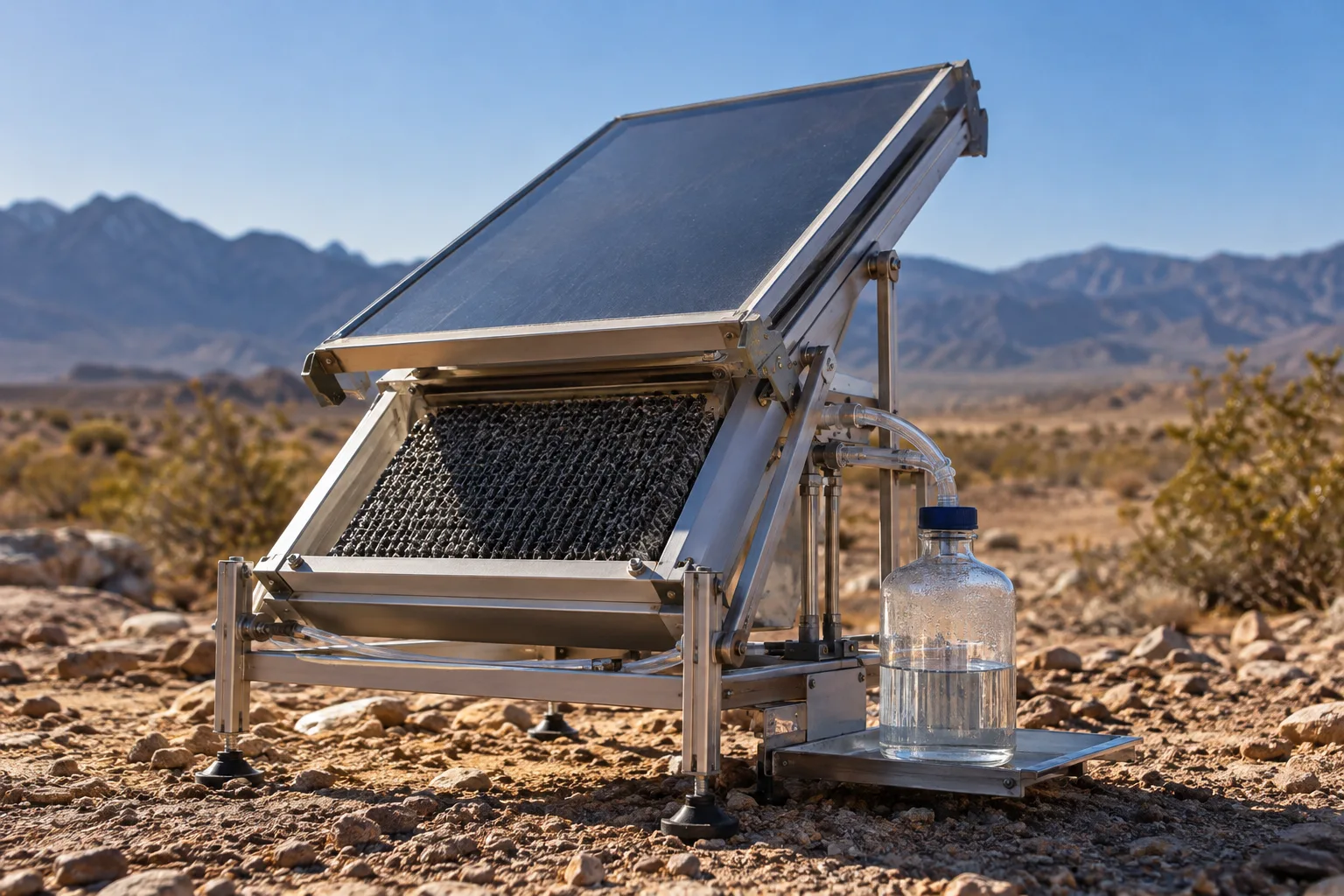
Fin-array water harvester prototype projects 5.8 litres per kg per day
A 10-fin prototype, made from a copper sheet between copper foam layers and coated with AQSOA Z02 zeolite, was tested at small scale. Adsorption reached saturation within 30 minutes in experiment and simulation, and condensate was collected, with heat losses and a lag between vapour generation and collection noted. The authors project that a 1 litre bed holding 230 g of sorbent would yield 5.826 litres of water per kg of sorbent per day at 30% relative humidity, or about 1.3 litres per day per device. These yield figures are modelled and extrapolated from the small prototype, not measured at full size. Desorption was tested experimentally with cartridge heaters in a sealed enclosure, and simulated at 90 degrees C using high-density waste heat, which was not tested.
Charged carbon sorbent captures CO2 from simulated air and regenerates at 90 to 100 °C
Activated carbon loaded with hydroxide ions by electrochemical charging (charged-sorbent) captured CO2 from simulated dry air containing 400 ppm CO2 at 30 °C. In a sealed box at 37% relative humidity, CO2 fell from about 500 ppm to about 25 ppm in 25 minutes. The abstract reports regeneration at about 90 to 100 °C. Direct Joule heating at 7 to 8 V raised a 2 × 1 cm piece to about 90 °C within about one minute. The paper reports four proof-of-concept direct air capture cycles using Joule-heating regeneration, although one extended data figure lists five. Dry-air capture tests at 400 ppm ran for ten adsorption-desorption cycles, and a separate test ran 150 cycles at 30% CO2 in nitrogen. All measurements were on small laboratory samples.
Hybrid event and 20 fps camera matches 5,000 fps latency in offline driving detection tests
Gehrig and Scaramuzza pair a 20 fps RGB camera with an event camera in a detector called DAGr. The authors report that the combination matches the perceptual latency of a 5,000 fps camera while using bandwidth close to that of a 45 fps camera. The tests ran on recorded driving data, not on a vehicle in real time.
Etching-free pixel definition gives 10 µm green micro-LEDs 6.48% on-wafer peak efficiency
Research arrays of InGaN green micro-LEDs with 50, 30 and 10 µm pixels were made using selective thermal oxidation, a method that defines pixels without plasma etching. The 10 µm array reached a peak on-wafer external quantum efficiency of about 6.48%, which the main text reports at 0.4 mA. Peak efficiency fell with pixel size (8.02%, 7.79% and 6.48% for 50, 30 and 10 µm at 0.4 mA). Its leakage current density was 1.2 × 10⁻⁶ A/cm² at -10 V after 4 hours of air annealing with a 3.5 µm SiO2 layer. The authors describe this leakage as at a relatively low level compared with micro-LEDs made using conventional plasma etching and dielectric passivation, citing values reported in other studies.
One tracked satellite's decay rate rose more than fourfold in the May 2024 storm
Parker and Linares used the orbital decay of tracked satellites, from public two-line element (TLE) orbit data, to estimate changes in the thermosphere during the geomagnetic storm of 10 to 12 May 2024. For one tracked object (SATCAT 43180), decay was about 38 metres a day before the storm and rose more than fourfold, to about 180 metres a day, during it. The NRLMSISE-00 model gave total mass density at 400 km altitude of up to six times its baseline value 12 hours earlier. The authors report that forecasts of the geomagnetic index ap underpredicted the initial rise, and that the storm's magnitude and duration were poorly predicted even one day ahead. NOAA's Space Weather Prediction Center reported that G5 conditions were first observed at 6:54 pm EDT on 10 May 2024.
AlphaFold 3 predicts joint structures of proteins, nucleic acids, ligands and ions
Google DeepMind and Isomorphic Labs described a diffusion-based model that predicts the joint 3D structure of complexes containing proteins, nucleic acids, small molecules, ions and modified residues. On the authors' benchmarks it was more accurate than state-of-the-art docking tools for protein-ligand interactions, than nucleic-acid-specific predictors for protein-nucleic acid interactions, and than AlphaFold-Multimer v2.3 for antibody-antigen prediction.
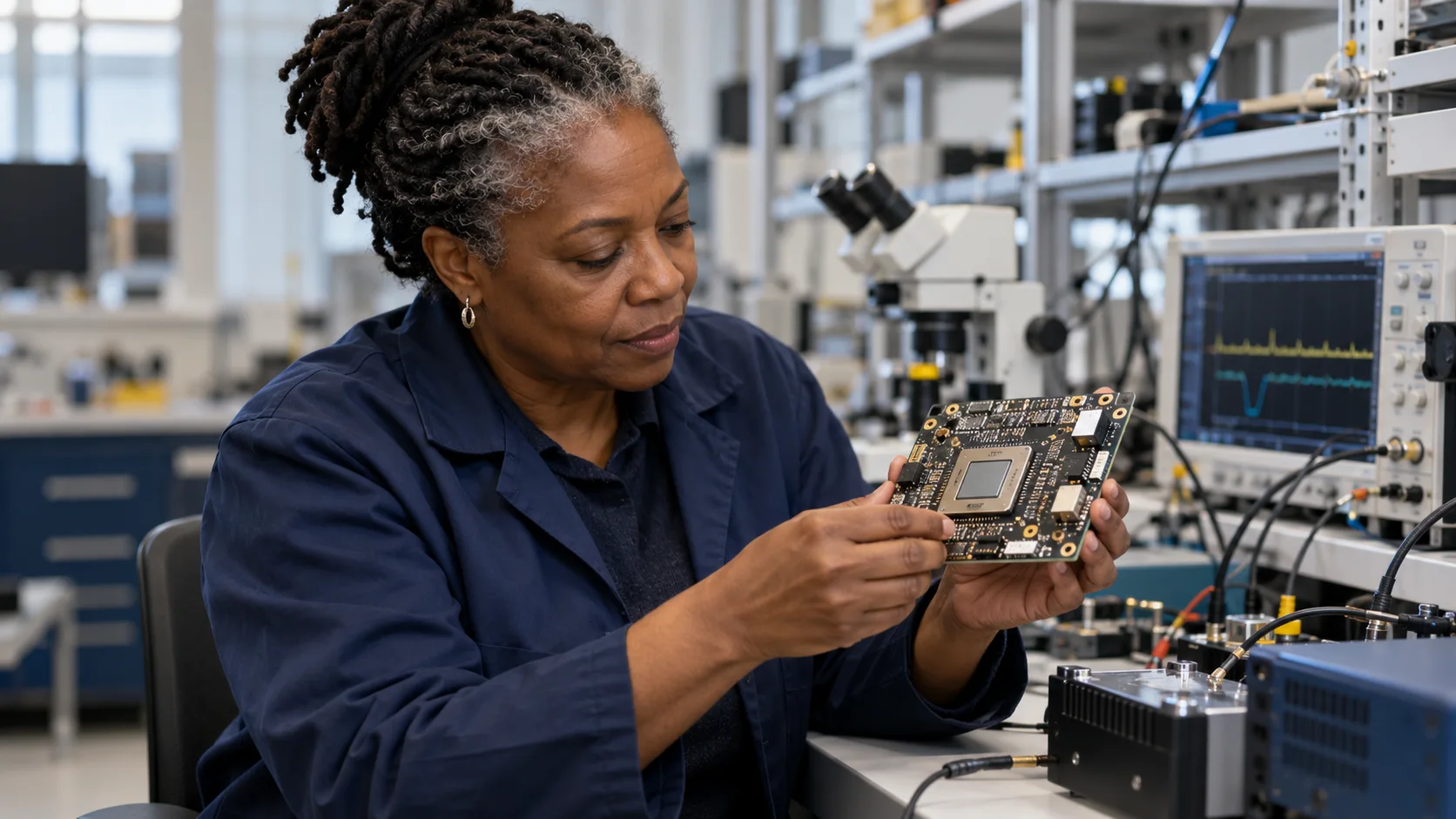
Hala Point neuromorphic system with 1.15 billion artificial neurons delivered to Sandia
No peer-reviewed result: this is a system deployment. Sandia National Laboratories reported receiving Hala Point, an Intel research system built from 1,152 Loihi 2 processors with 1.15 billion artificial neurons in a chassis about the size of a microwave oven. Sandia described it as 10 times faster and 15 times denser than its predecessor, the 50-million-neuron Pohoiki Springs.
Catalyst runs in seawater for 2,800 hours at about 1.25 A per square centimetre
Fan and colleagues report, in Nature Sustainability (published online 9 February 2024), an earth-abundant layered double hydroxide electrocatalyst that sustained seawater electrolysis for over 2,800 hours at about 1.25 A per square centimetre. The authors attribute the stability to carbonate ions between the catalyst layers and graphene quantum dots on its surface, which reduce chloride adsorption and corrosion. In a separate photovoltaic-electrolysis device using the same catalyst for both electrodes, the authors report an 18.1% solar-to-hydrogen efficiency for overall seawater splitting and stability over 200 hours at a working current above 440 mA.
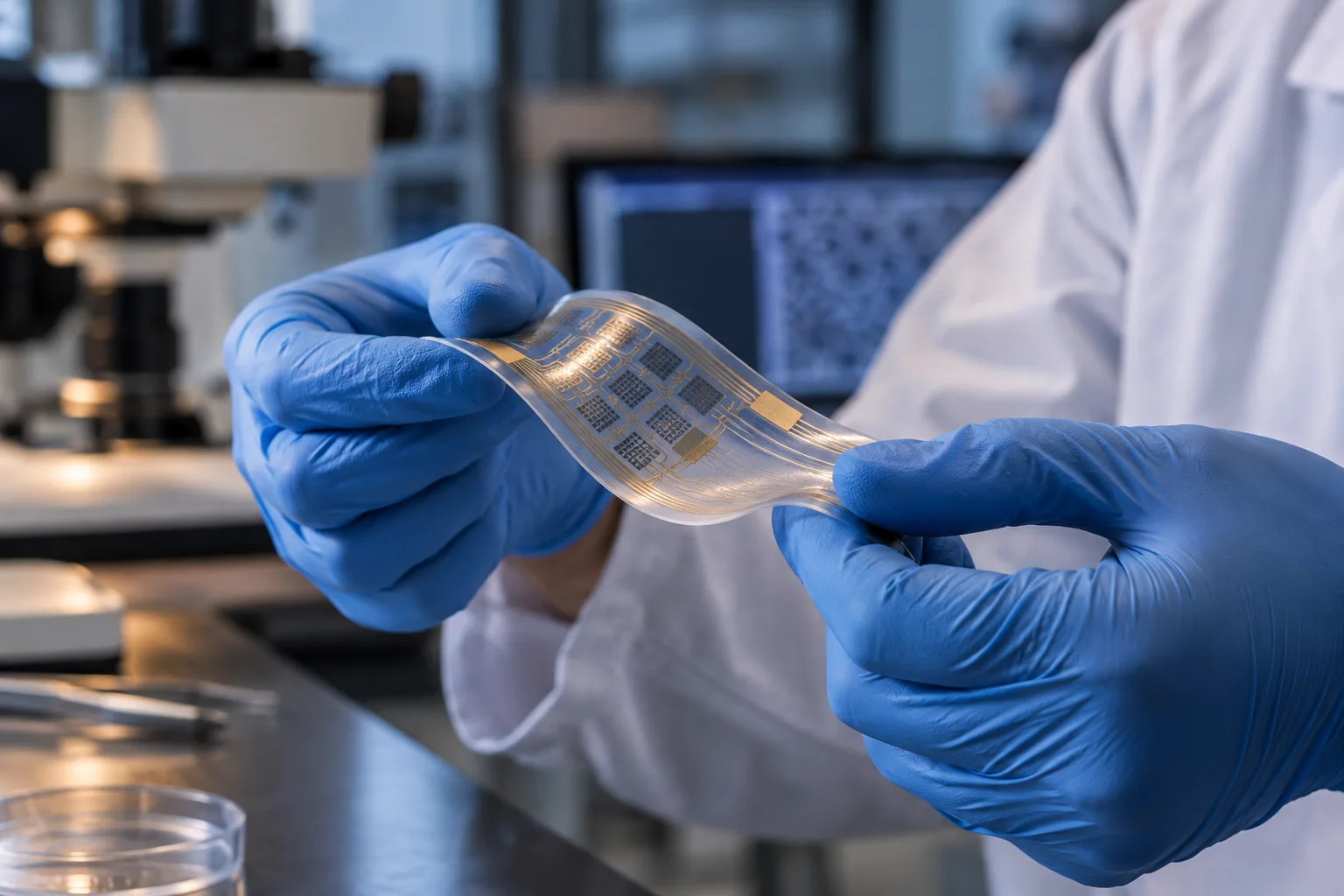
Wearable electronic skin tracks nine physical and sweat signals to classify stress responses
A Caltech-led team built a wrist-worn electronic skin that measures three vital signs (pulse waveform, galvanic skin response and skin temperature) and six sweat biomarkers (glucose, lactate, uric acid, sodium, potassium and ammonium). Its electrochemical sensors gave stable sweat analysis for over 100 hours, and it recorded continuously over 24 hours during daily activities in human participants. A machine learning pipeline distinguished three stressors with 98.0% accuracy.
AlphaGeometry solves 25 of 30 olympiad geometry problems without human demonstrations
AlphaGeometry pairs a language model, trained from scratch on millions of synthetically generated theorems and proofs, with a symbolic deduction engine. On a test set of 30 recent olympiad-level Euclidean geometry problems it solved 25, compared with 10 for the previous best method. Its proofs are human-readable and were evaluated by human experts.
Four SAMPLE agents find more thermostable glycoside hydrolases while sampling under 2% of a sequence landscape
Four independent SAMPLE agents ran automated design-test-learn cycles to search a 1,352-sequence combinatorial landscape for thermostable GH1 glycoside hydrolases. Using the platform assay, each agent found sequences at least 12 °C more stable than the starting sequences while sampling less than 2% of the landscape. Researchers then expressed the top design from each agent in Escherichia coli and confirmed improved thermostability with lysate-based assays, although manual measurements were lower than the automated results.
2023
MOXIE made 122 grams of oxygen from Martian air over 16 runs
Across 16 runs aboard NASA's Perseverance rover, the MOXIE instrument produced a total of 122 grams of oxygen by separating oxygen from carbon dioxide pumped in from the thin Martian atmosphere. Its best hourly rate was 12 grams of oxygen, at 98% purity or better. NASA says MOXIE was operated under a variety of conditions across a full Mars year, but the announcement does not list those conditions for each run. The final run, on 7 August, produced 9.8 grams.
Vitrified rat kidneys rewarmed by nanowarming survive 30 days after transplant
In a rat model, whole kidneys were vitrified (cooled to an ice-free, glass-like state), stored at about -150 degrees C for 1 to 100 days, and rewarmed by nanowarming, which heats magnetic nanoparticles in the organ's blood vessels with a magnetic field. Five nanowarmed kidneys were transplanted into nephrectomised recipients, alongside five fresh-control transplants. All nanowarmed and fresh-control recipients survived the 30-day study. Nanowarmed kidneys produced urine within 40 to 45 minutes of reperfusion, compared with a few minutes for fresh controls. Day-30 creatinine was 0.62 plus or minus 0.24 mg/dL for nanowarmed kidneys and 0.44 plus or minus 0.19 mg/dL for controls (P = 0.3). Estimated GFR at day 30 was 2.2 plus or minus 0.8 mL/min and 2.7 plus or minus 0.7 mL/min respectively (P = 0.421).
2022
Singapore approves Solein, a protein powder grown from CO2 and hydrogen
Solar Foods announced on 26 October 2022 that the Singapore Food Agency (SFA) had approved Solein, a microbial protein-rich powder made by Solar Foods, allowing the sale of food products containing it in Singapore. The announcement gives no exact approval date. It gives the powder's composition as 65-70% protein, 5-8% fat and 3-5% mineral nutrients, and says the microbes are fed carbon dioxide, hydrogen and oxygen, with small amounts of nutrients. It does not name the microbe and gives no details of the safety assessment.
Dimorphos orbital period shortened by 33 minutes after DART impact
Earth-based lightcurve and radar observations measured the orbital period of Dimorphos around Didymos changing by -33.0 ± 1.0 minutes (3σ) after NASA's DART spacecraft struck it. Two independent methods gave identical values. A simple momentum-transfer estimate from the spacecraft alone predicted a change of about 7 minutes, so the authors infer that ejecta carried substantial additional momentum.
Soybean lines with faster recovery from light protection yielded up to 33% more seed in field trials
In replicated field trials, soybean lines carrying three transgenes that speed the relaxation of nonphotochemical quenching showed higher photosynthetic efficiency in fluctuating light. The paper reports seed yield gains of up to 33% across five independent transgenic lines, with seed protein and oil content unchanged.