Brain transplants and cryonics: what would a new body solve?
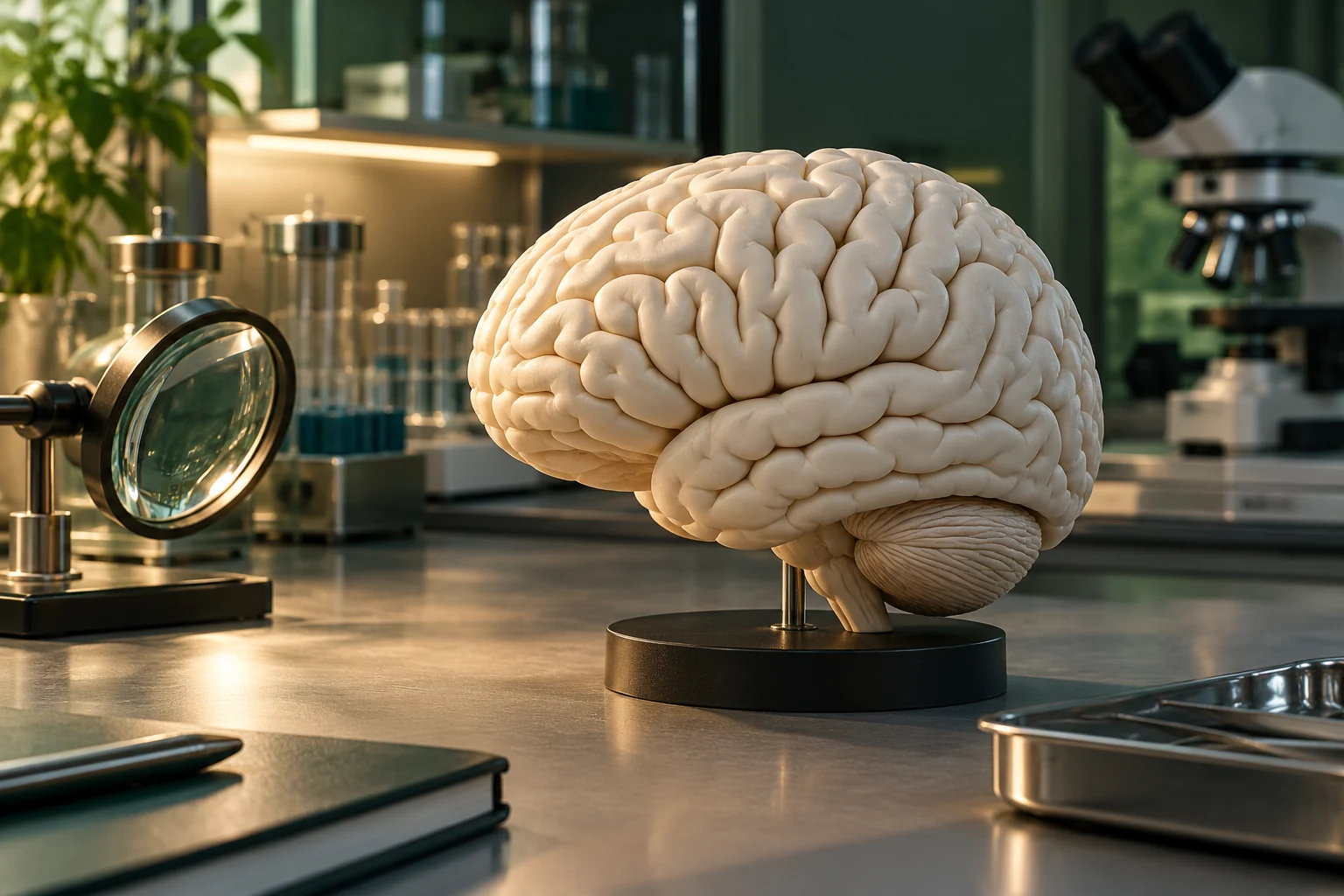
A brain transplant would address a different problem from preserving a brain. A cryonics recovery proposal would need both recoverable tissue and a way for it to function within a supporting body. Evidence for one requirement would not establish the other.
What would be transferred?
A brain-only transplant would transfer the brain itself into another body. A head transplant would move the head with the brain inside it. Calling the latter a body transplant changes the perspective, not the proposed operation. Transferring a limited preparation of neural cells or tissue would be a different task with its own endpoint.
Whole-body cryonics instead proposes recovery within the preserved person's existing body. Brain-focused preservation changes the amount of material selected; it does not demonstrate a way to restore bodily support. Neither scope supplies evidence of personal recovery by itself.
Attachment, support and function are different outcomes
A biological transplant proposal would need to explain more than how to establish blood supply. It would also need an account of communication between the brain and the supporting body, including the spinal cord and other relevant neural connections. Physical attachment alone would not demonstrate useful information exchange.
The intended outcome must be explicit. Supported tissue, communication by a subject and extensive bodily control would be different achievements. A report should state which was assessed, what external support was required and how long the outcome lasted. Retained memories would need assessment rather than being inferred from a completed operation.
What BrainEx showed
In 2019, Vrselja and colleagues reported restoration of microcirculation and selected cellular and molecular functions in isolated pig brains several hours after death. Their BrainEx experiments did not show global electrocorticographic activity. The work used non-cryogenic postmortem perfusion, rather than recovery from cryogenic storage (Nature paper).
That result does not establish a transplantation route. It also cannot be joined to separate cooling or neural-tissue results as though the complete sequence occurred in one subject.
A new body would leave the preservation question
Imagine a hypothetical method that connected a healthy, unpreserved brain to a supporting body. Cryonics would still require evidence that it worked with a brain after the relevant postmortem conditions, preservation and storage.
Replacing a body would not itself demonstrate repair of injury inside the brain or recovery of information that preservation had failed to retain. A proposed method would need to identify what must survive, how it was assessed and what repair remained necessary. Consent and risks would also require scrutiny. No revival date or measured success probability follows from naming this proposed route.
Scope and related reading
Adapted and independently edited on 27 October 2026. Underlying research retains the cryonics profile's 22 October source-review scope. This explanation adds no freshly verified transplant study or claim of clinical availability.
Technology profiles
Making sense of biotechnology and synthetic biology
Begin by identifying what is being engineered: a molecule, a cell, a microbial culture or a larger biological system. Then follow the evidence from the experiment to its proposed use. Keep the test setting visible throughout that journey. A result in a controlled culture, an animal study and a human application each answers a different question, with different limits on what can be concluded.
What to check in this field
Questions to take to the evidence
- What biological system was studied, with which controls and endpoints? Check whether the claimed benefit was directly measured or inferred from a related marker.
- Can the process be repeated across batches? Ask about contamination control, stability, separation of the final product and the inputs needed to make it.
- What oversight would the intended use require? Look for the stated containment, environmental assessment or clinical pathway, and keep unresolved requirements visible.
What would make the future useful?
Biological engineering could support new ways to make useful substances or study disease. Assess each proposed use through its own performance, containment and validation requirements; do not assume that success in one organism or application transfers to another.
Explore the field: Precision fermentation · Base and prime gene editing.
Sources
Checked against its sources by Independent AI review and concise edit; adapted from the cryonics source review of 22 October 2026.