Sensors, imaging and electronic skin
New ways to measure, image and feel the world.
Technology profiles

Autonomous underwater vehicles
Autonomous underwater vehicles are robots that travel and measure in the ocean without a pilot on board or a cable to a ship. Argo floats, ocean gliders and under-ice vehicles now collect large amounts of ocean data, but batteries, the lack of GPS underwater and, beneath ice, the lack of any surface contact still limit how far and how long they can work.
Battery-free wireless implant sensors
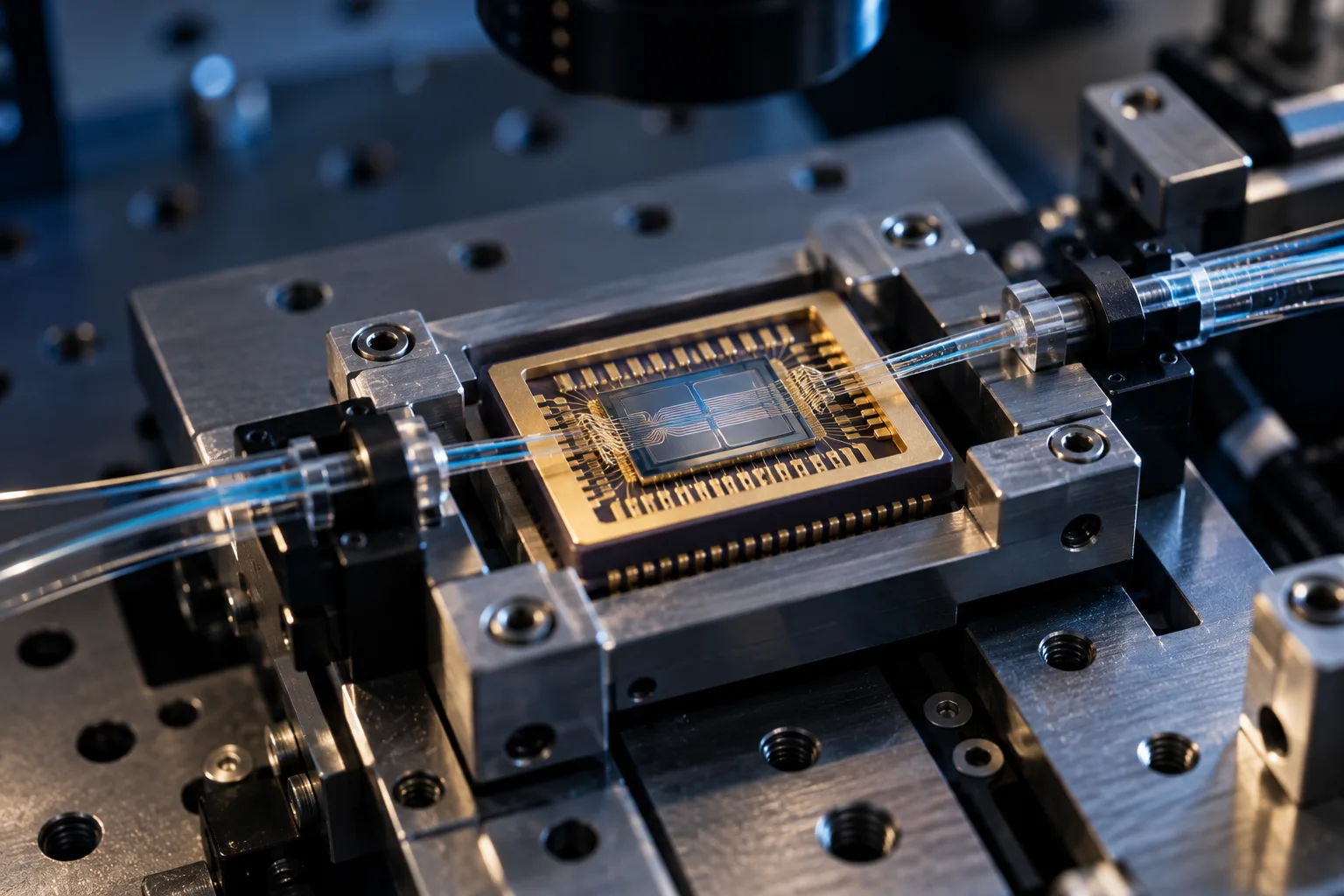
Researchers have built flexible wireless sensors that can detect water getting through the protective coating of an implant, without an onboard battery. The tests so far are laboratory, explanted tissue and post-mortem experiments, not monitoring in living patients.
Breath diagnostics
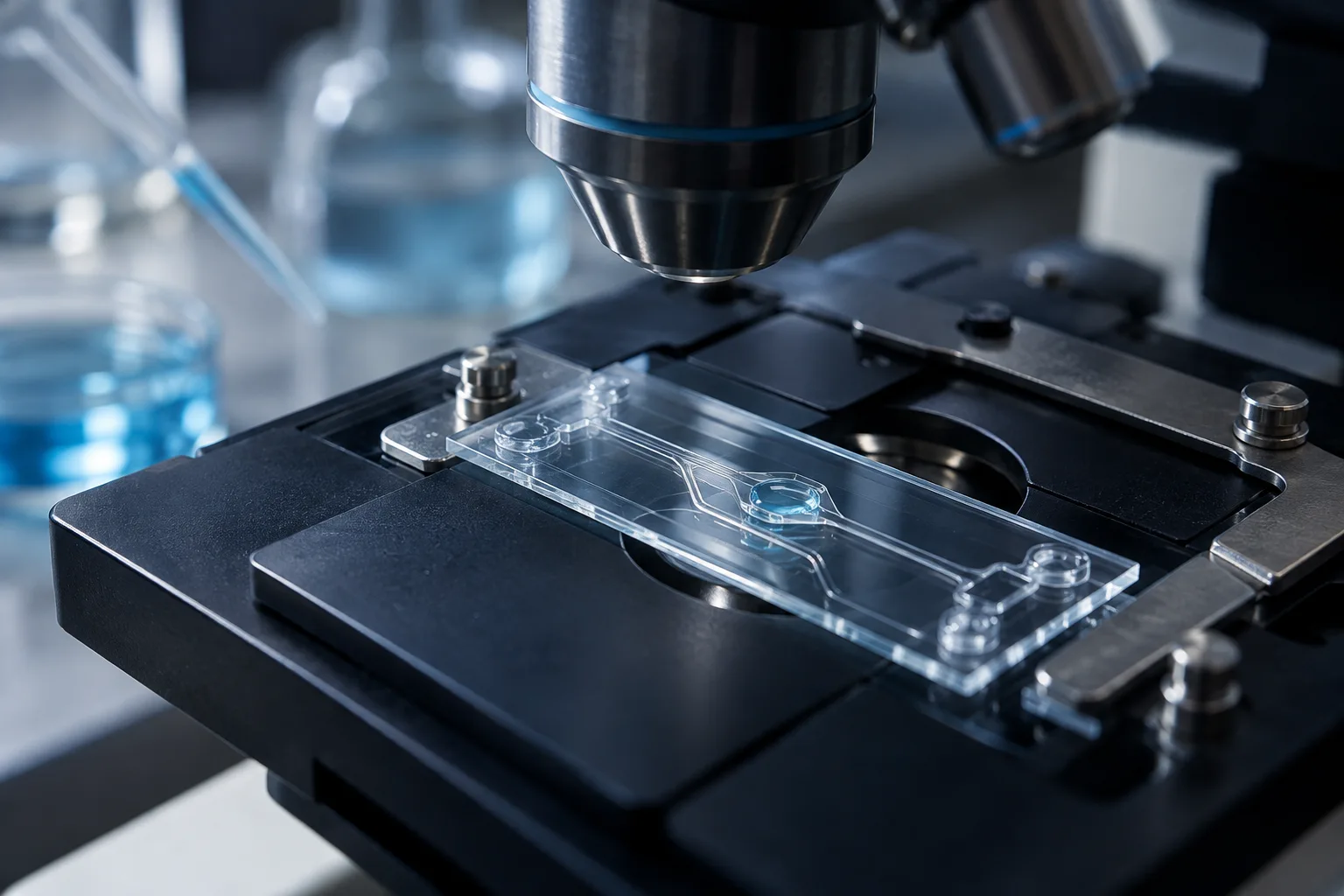
Breath diagnostics looks for patterns in the volatile organic compounds (VOCs) that people breathe out, to detect disease. Lung cancer studies report high accuracy, but most are small, results differ between devices, and few breath tests have reached routine clinical use.
Car electronics and engine control
Electronic control of engines and vehicle systems grew from Bosch's electronic fuel injection in 1967 to the software-defined vehicles discussed today. Several of these steps were prompted by emissions rules, and electronic fuel injection, engine control units, the CAN bus and OBD diagnostics are now standard in cars.
Consumer brain-sensing wearables
Headbands and earbuds sold to consumers record brain signals to estimate sleep stages. Small studies show that some of these devices agree reasonably well with lab sleep scoring for the main stages, but evidence for light sleep, clinical groups and long-term home use is thin, and some jurisdictions now treat neural data as sensitive.
Distributed fibre-optic sensing
Distributed fibre-optic sensing turns an ordinary optical fibre into a line of thousands of sensing points by reading the light scattered back along it. It can detect vibration and strain along a cable tens of kilometres long, and researchers have used existing telecom and submarine cables to monitor earthquakes and seismic activity.
Electronic skin
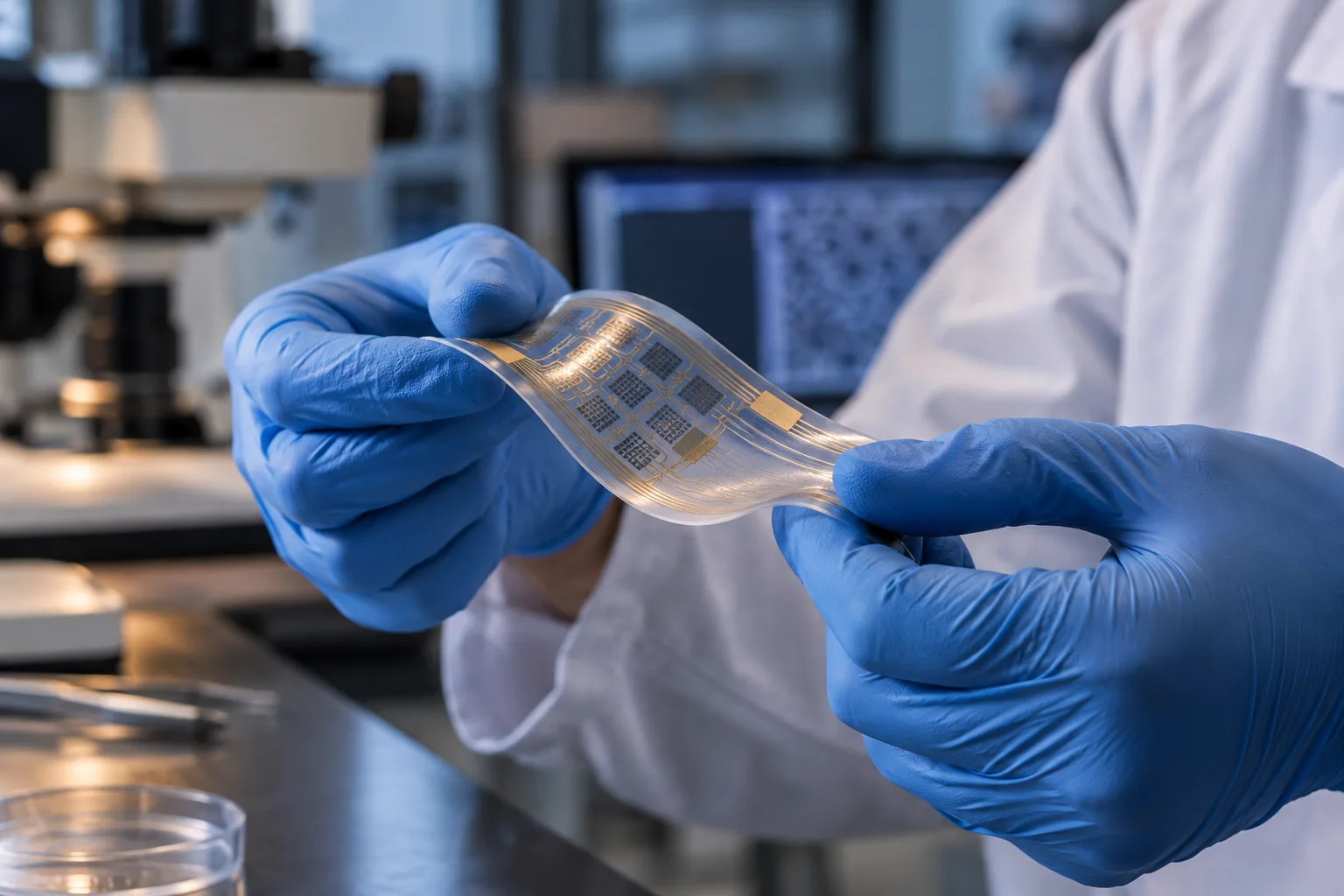
Electronic skin is a family of thin, flexible or stretchable electronic sheets that sense touch, pressure, temperature or body signals in the way human skin does. Laboratory prototypes have shown pressure mapping, skin-mounted health sensing and stretchable transistor circuits. A 2026 study used soft optical waveguides to reconstruct the three-dimensional shape of a sensing sheet, but this remains a research demonstrator rather than a ready-to-wear system.
Environmental DNA monitoring
Environmental DNA (eDNA) monitoring detects species from traces of DNA shed into water, soil or air, so surveyors do not have to catch or see the animals. It is used as a survey method for great crested newts in England, but false positives, false negatives and unreliable abundance estimates limit its use.
Event-based (neuromorphic) cameras
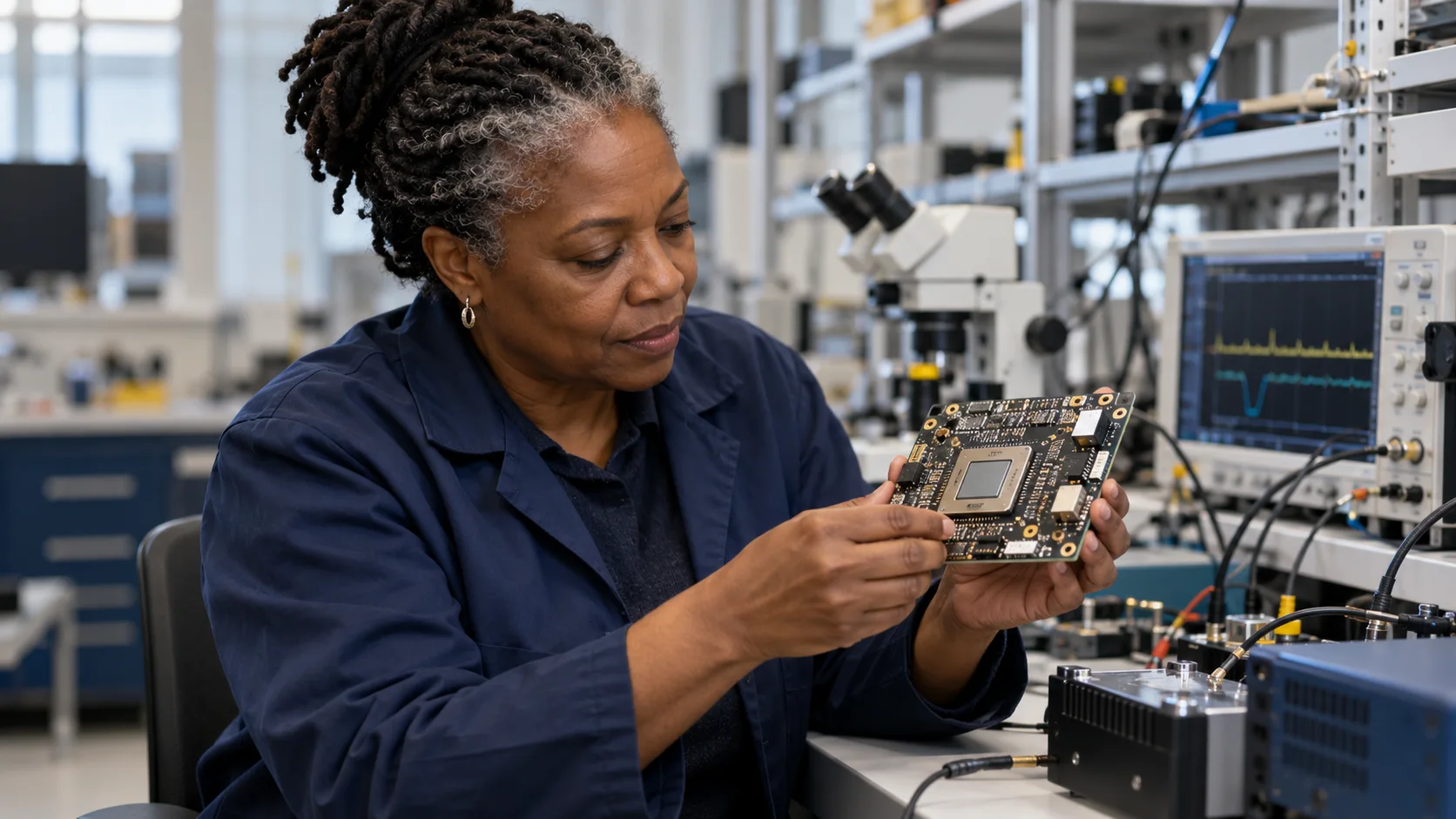
Event-based cameras have pixels that report only when the brightness at that pixel changes, instead of recording full frames at a fixed rate. This gives very fast response, a wide range of brightness that a camera can handle, and low data output, and it needs new software to use well.
Hyperspectral imaging
Hyperspectral imaging records the light reaching each point in hundreds of narrow wavelength bands, so it can separate materials that look the same to a normal colour camera. Two hyperspectral Earth-observation satellites are in orbit and food-sorting systems have been tested on industrial lines, while crop disease detection and medical diagnosis are still mostly at research stage.
Optical atomic clocks
Optical atomic clocks keep time by counting the oscillations of light that atoms or ions absorb, which occur at much higher frequencies than the microwaves used by today's caesium standard. Laboratory systems now report systematic uncertainties near 10⁻¹⁸, and the BIPM is preparing a redefinition of the SI second based on optical transitions, with CGPM adoption anticipated in 2030 or later.
Plant microbial fuel cells
Plant and soil microbial fuel cells harvest small electrical currents from microbes that live around plant roots or in soil. Published studies since 2008 report small outputs. Later work from 2024 and 2026 describes longer runs and sensor use, but its full results could not be checked, so its figures are treated as unverified.
Precision livestock farming
Precision livestock farming uses sensors, cameras and software to monitor individual farm animals, for example to flag heat, illness or milking readiness. Heat-detection collars have device-level validation studies, but one review finds the claimed welfare benefits of wider monitoring largely unproven. A feed additive used to cut dairy methane is under a new EU safety review.
Quantum gravimetry
Quantum gravimetry uses laser-cooled atoms to measure tiny changes in gravity, which can hint at voids, water or rock structure underground without drilling. Field and airborne tests have been reported, but survey speed and the lack of head-to-head tests against conventional methods still limit practical use.
Quantum sensors
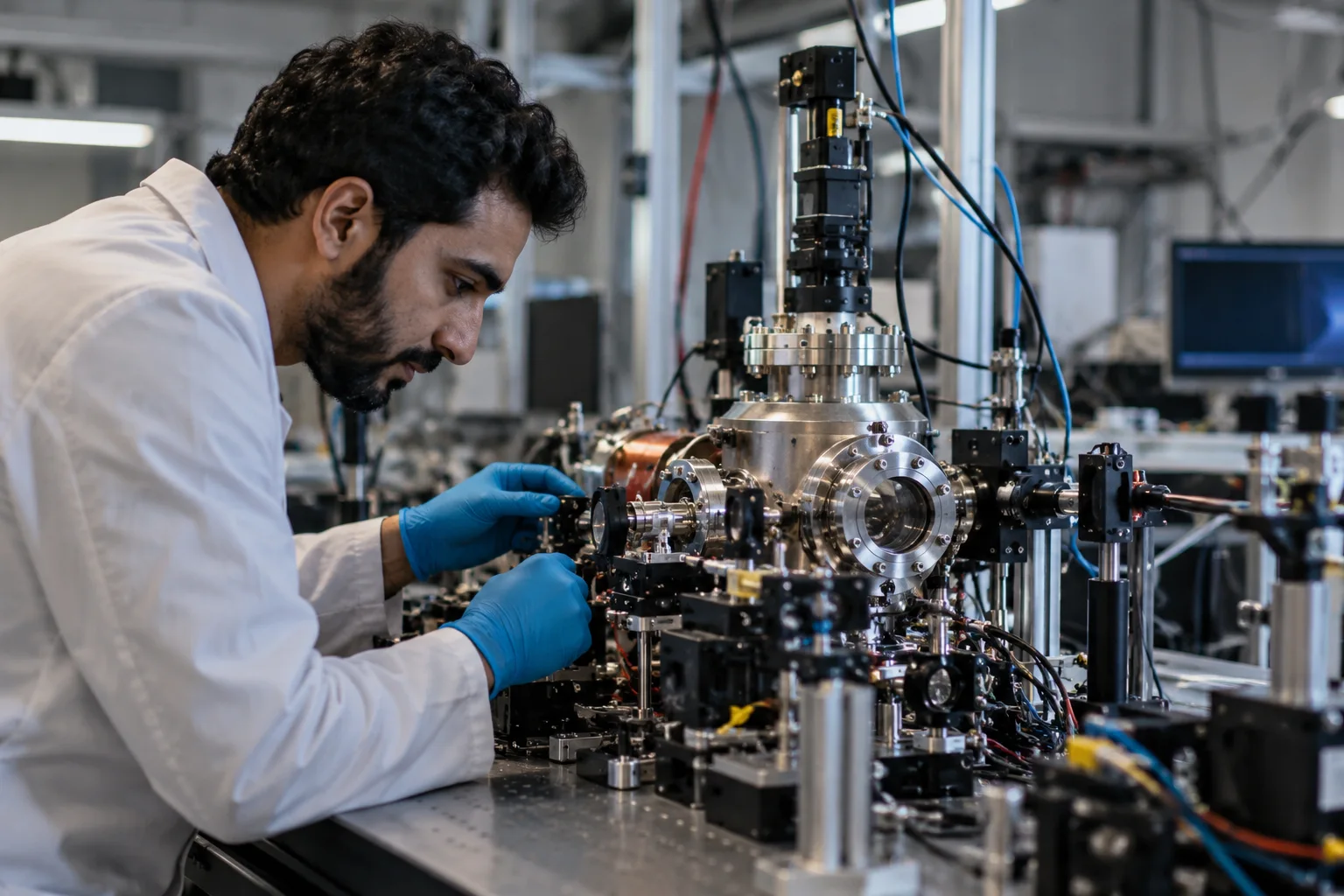
Quantum sensors use fragile quantum effects, such as the behaviour of single atoms or spins, to measure things like time, magnetic fields, gravity and motion very precisely. Optical atomic clocks and cold-atom systems have moved from the laboratory into early field trials, including a 2024 UK flight test of navigation components.
Satellite methane detection
Satellites can spot methane plumes from large leaks at oil, gas, coal and landfill sites. Detection limits depend on instrument design, wind and surface conditions, and the sources reviewed here do not show how often detections lead to repairs.
Satellite navigation (GNSS)
Satellite navigation uses timing signals from a constellation of satellites to work out position, velocity and time almost anywhere on Earth, and it is now built into cars, phones and timing equipment. It is a mature commercial service, but its signals are weak at the ground and can be jammed or spoofed.
Self-monitoring infrastructure
Self-monitoring infrastructure fits bridges, tunnels, dams and buildings with sensors that record how they move, load and respond to their surroundings. Field systems now capture useful data and send timely alerts, but sensor readings do not replace inspection or prove that a structure is safe.
Smart contact lenses
Smart contact lenses are soft lenses with sensors or micro-displays built in. One sensing lens, Sensimed's Triggerfish, has US marketing authorisation to help clinicians time eye pressure checks in glaucoma, but tear glucose sensing and display lenses have only been tested in small early studies and in animals.
Smart textiles
Smart textiles are fabrics with sensors, displays, memory or batteries built into the yarn or fibre itself. Lab demonstrations from 2021 to 2026 show textile displays, sensing fibres and fibre-shaped chips, and at least one garment with fabric sensors is sold, but washing durability is still hard to compare across studies.
Solid-state lidar
Solid-state lidar measures distance with laser light using few or no large moving parts. It uses flash illumination, optical phased arrays or chip-scale FMCW. Chip results have been shown in the laboratory, but independent evidence of long-range, low-cost sensors in production is still limited.
Space weather forecasting
Space weather forecasting predicts solar storms, such as coronal mass ejections and flares, so that satellite, power grid and navigation operators can take protective action. Forecasts are run by agencies such as NOAA's Space Weather Prediction Center and the UK Met Office, and they are only partly reliable on arrival timing.
Wearable ultrasound patches
Wearable ultrasound patches are thin, stretchable devices that stick to the skin and send sound waves into the body to image or monitor blood flow and tissue. Research groups at UC San Diego and MIT have shown them working in small human studies for periods of hours up to two days, but they are still tethered to external equipment and no regulated product was found in the sources reviewed.
How far away are we?
A complete map of the world's seabed
Scaling up · 2 of 6 steps done
Bridge sensors that flag possible damage
Pilots · 3 of 5 steps done
Cameras that see like eyes
Pilots · 7 of 10 steps done

Cheap lidar in every car
Scaling up · 5 of 9 steps done
Checking blood sugar without needles
Engineering prototypes · 2 of 5 steps done
Clothes that monitor your health
Pilots · 4 of 8 steps done
Every farm animal monitored by sensors
Pilots · 3 of 8 steps done
Finding every methane leak from space
Pilots · 3 of 7 steps done
Medical implants that need no battery
Engineering prototypes · 6 of 10 steps done
Navigating without GPS using quantum sensors
Engineering prototypes · 5 of 8 steps done
Redefining the second with optical clocks
Engineering prototypes · 4 of 10 steps done
Robot dogs inspecting industrial sites
Pilots · 4 of 9 steps done
Tracking wildlife from DNA in water and air
Pilots · 1 of 5 steps done
Ultrasound scanners you wear like a plaster
Engineering prototypes · 4 of 7 steps done
Breakthroughs
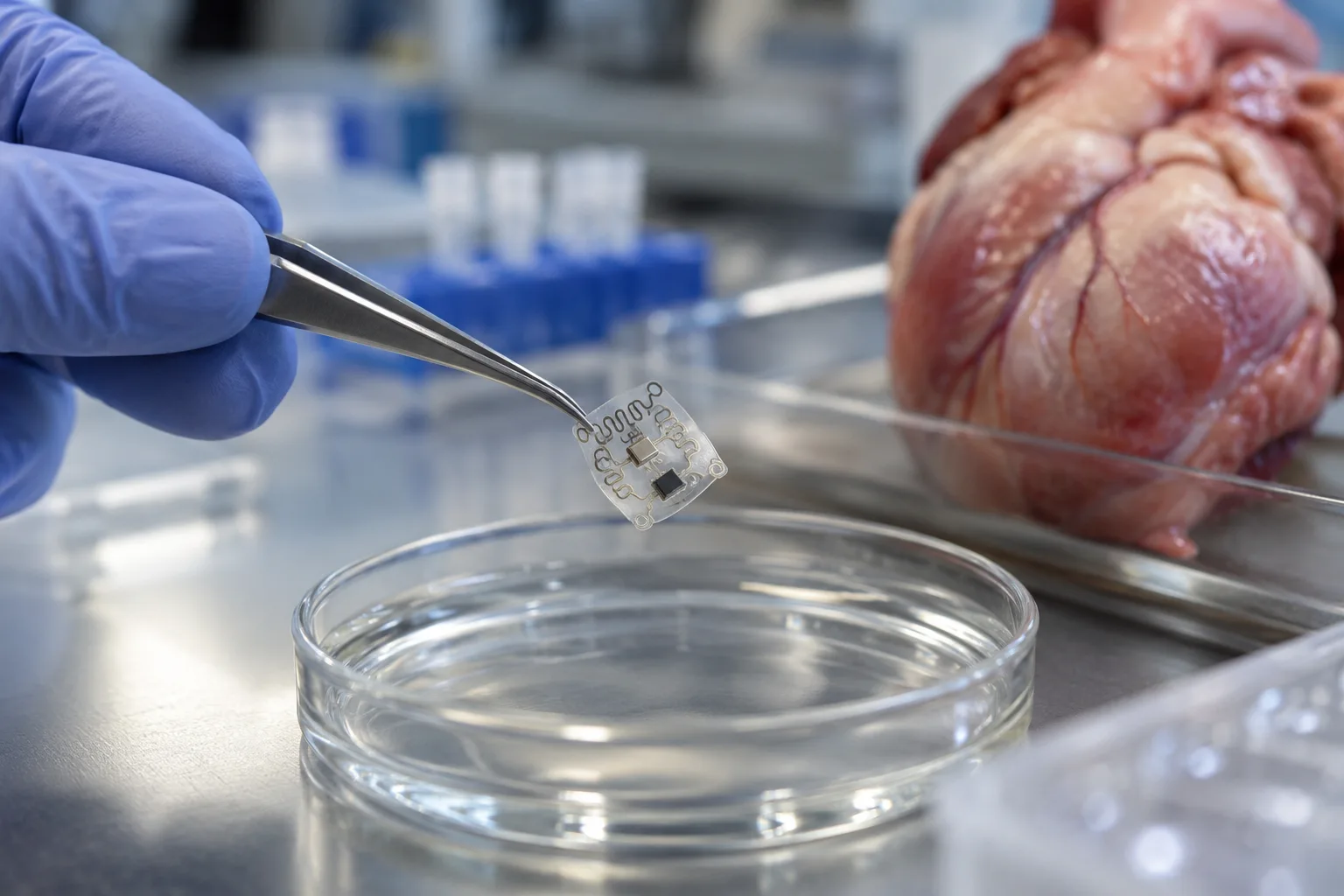
Bioresorbable metal-free magnet enables untethered organ monitoring in porcine models
Researchers report a graphitic-carbon-nitride-derived metal-free molecular magnet integrated into catheter-deliverable epicardial patches and injectable hydrogels, coupled to a skin-interfaced Hall sensor array. In porcine models, the system continuously assessed cardiac ejection fraction for four weeks before the material underwent reported benign bioresorption. The abstract does not state the number of animals or detailed protocol.
Wearable ultrasound patch gave continuous readings in 52 pregnant women
A soft wearable ultrasound patch, the UPatch, sits on the mother's abdomen. In validation, its readings showed good agreement with a handheld clinical ultrasound device on 62 pregnancies, for anatomical structures and blood flow velocities. Continuous monitoring was then carried out in sessions of one to six hours in 52 pregnant women, including healthy pregnancies and pregnancies with small or large for gestational age, gestational diabetes, preeclampsia and gestational hypertension. The abstract summaries and press coverage reviewed give no agreement statistics and no per-group numbers.
Fish eDNA levels rise with biomass in tanks, but not in a straight line
In controlled flow-through tanks, researchers added fish two at a time every 48 hours, rising from 2 to 12 fish per tank. The trials used three freshwater species (Squalius lucumonis, Lepomis gibbosus and Pseudorasbora parva), with three tanks per species, and ran in 2024. Each 2 L water sample was filtered and its eDNA measured by real-time qPCR with triplicate reactions. Generalised additive mixed models (GAMMs) found monotonic nonlinear relationships between eDNA concentration and biomass in all three species. Two species levelled off at intermediate biomass. Biomass partial R-squared values were 0.420 (L. gibbosus), 0.623 (P. parva) and 0.613 (S. lucumonis).
Satellite-detected Permian methane leak was reported repaired by its operator
Carbon Mapper's Tanager-1 satellite detected a methane plume on 9 October 2024 from a leaking oil and gas gathering pipeline in the Texas Permian Basin. The paper gives an estimated instantaneous emission rate of 7100 ± 1100 kg CH4 per hour from that observation. Carbon Mapper notified federal and state agencies the next day, and the paper states that the operator reported the leak as voluntarily repaired. A later Tanager observation on 24 October 2024 detected no methane at that location. A contemporaneous AVIRIS-3 aircraft analysis of surveys on 1, 9 and 10 October found high emissions at the same location in all seven observations, with an average rate of 4200 ± 500 kg CH4 per hour over at least a 10-day interval.
Leeds researchers record seismic signals along a fibre cable in boreholes up to 250 m deep
University of Leeds researchers installed a fibre-optic cable in boreholes on the university campus, reaching depths of up to 250 m. Surveys in autumn 2024 produced seismic signals that could be detected with distributed acoustic sensing (DAS) along the full cable. The post says seismic velocity can be estimated down to around 200 m. The aim was to explore whether local sandstone layers can be used as geothermal reservoirs. The post gives no numerical velocity values and no error bounds.
Battery-free wireless sensor monitors water permeation through implant encapsulation
Researchers tested a flexible RF-backscatter platform using a magnesium resistive sensor to detect water permeation across thin-film encapsulation. Corrosion of the magnesium changed the circuit oscillation frequency. The study reports in-vitro and in-tissue characterisation, including implantation in deeply anaesthetised mice; the mouse implantation tests were performed after euthanasia, not in living animals.
Strontium optical lattice clock reports 8.1 × 10⁻¹⁹ total systematic uncertainty
An optical lattice clock using the ¹S₀ to ³P₀ transition in a dilute ensemble of fermionic strontium atoms, held in a shallow, vertically oriented one-dimensional optical lattice, reported a total systematic uncertainty of 8.1 × 10⁻¹⁹ in fractional frequency units. The authors state that all other systematic effects have uncertainties below 1 × 10⁻¹⁹. This is the authors' evaluation of one laboratory clock's error budget, not a measure of performance in the field.
Hybrid event and 20 fps camera matches 5,000 fps latency in offline driving detection tests
Gehrig and Scaramuzza pair a 20 fps RGB camera with an event camera in a detector called DAGr. The authors report that the combination matches the perceptual latency of a 5,000 fps camera while using bandwidth close to that of a 45 fps camera. The tests ran on recorded driving data, not on a vehicle in real time.
One tracked satellite's decay rate rose more than fourfold in the May 2024 storm
Parker and Linares used the orbital decay of tracked satellites, from public two-line element (TLE) orbit data, to estimate changes in the thermosphere during the geomagnetic storm of 10 to 12 May 2024. For one tracked object (SATCAT 43180), decay was about 38 metres a day before the storm and rose more than fourfold, to about 180 metres a day, during it. The NRLMSISE-00 model gave total mass density at 400 km altitude of up to six times its baseline value 12 hours earlier. The authors report that forecasts of the geomagnetic index ap underpredicted the initial rise, and that the storm's magnitude and duration were poorly predicted even one day ahead. NOAA's Space Weather Prediction Center reported that G5 conditions were first observed at 6:54 pm EDT on 10 May 2024.
Wearable electronic skin tracks nine physical and sweat signals to classify stress responses
A Caltech-led team built a wrist-worn electronic skin that measures three vital signs (pulse waveform, galvanic skin response and skin temperature) and six sweat biomarkers (glucose, lactate, uric acid, sodium, potassium and ammonium). Its electrochemical sensors gave stable sweat analysis for over 100 hours, and it recorded continuously over 24 hours during daily activities in human participants. A machine learning pipeline distinguished three stressors with 98.0% accuracy.