Advanced materials and metamaterials
Engineered materials with properties not found in conventional ones.
Technology profiles
2D semiconductor electronics
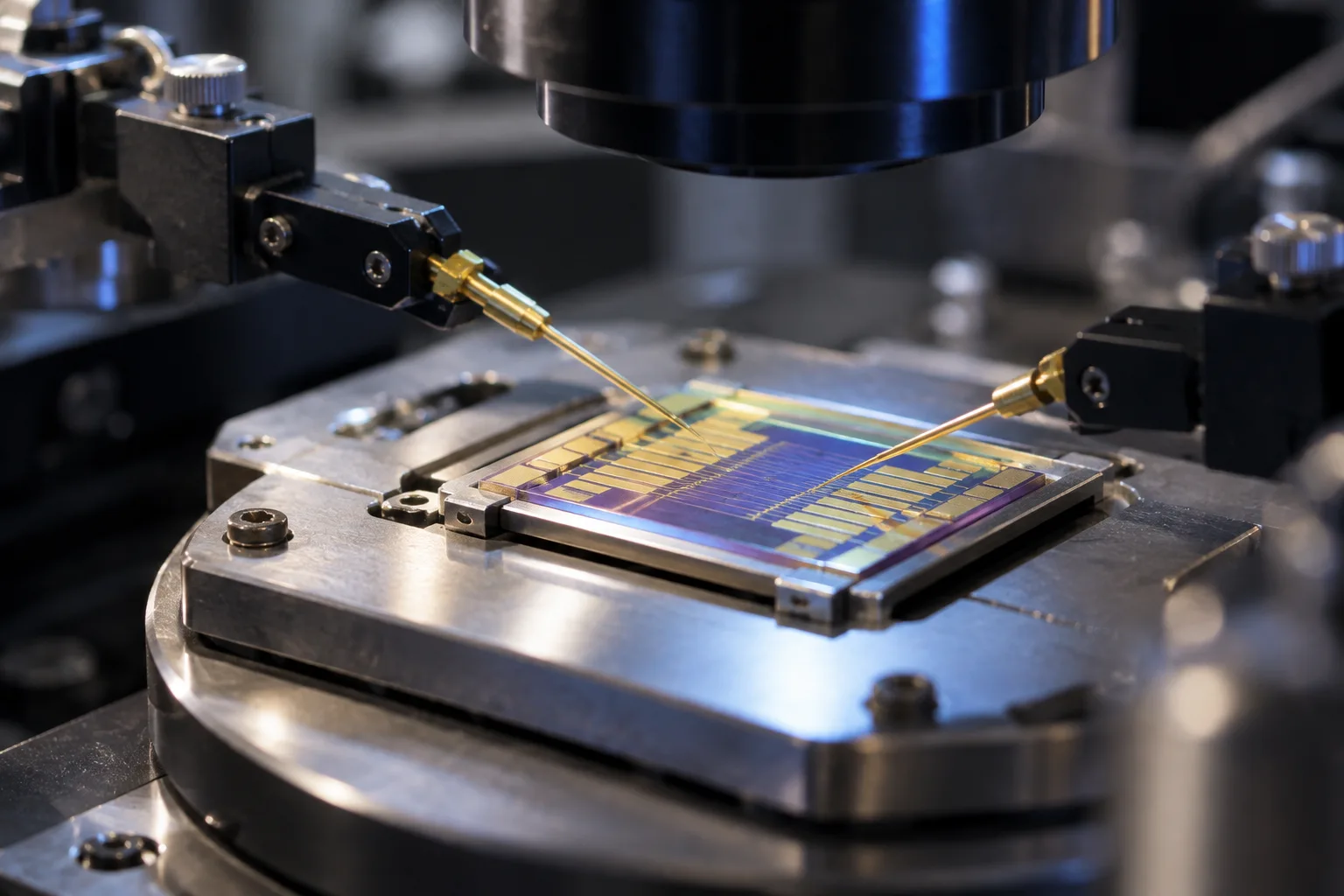
Two-dimensional semiconductors such as molybdenum disulfide (MoS2) form sheets only a few atoms thick and could make transistors that keep working at very small sizes. Lab devices and a small 1-bit processor have been demonstrated, but no production chips built from these materials are described in the sources reviewed here.

3D-printed buildings
3D-printed buildings are made by a large robotic printer that extrudes a concrete-like mix layer by layer to form walls. A community of 100 printed homes in Texas was reported in 2024 as nearing completion, and a printed social housing scheme in Ireland was reported as built, according to its builder's company. Most lab studies find printed concrete weaker than cast concrete, and a standard for printed walls was approved in July 2026 but is not yet known to be adopted into building codes.
4D printing
4D printing makes 3D-printed objects that change shape after printing, in response to heat, water or a magnetic field. Laboratory demonstrations are well documented. The stent work described here has been tested only in cell cultures and mice.
Acoustic levitation
Acoustic levitation uses arrays of ultrasonic emitters to form standing waves that hold and move small particles and droplets in air without touching them. Laboratory experiments have shown contact-free, three-dimensional movement of millimetre-scale objects, but the working volumes and payloads are small.
Aerogels
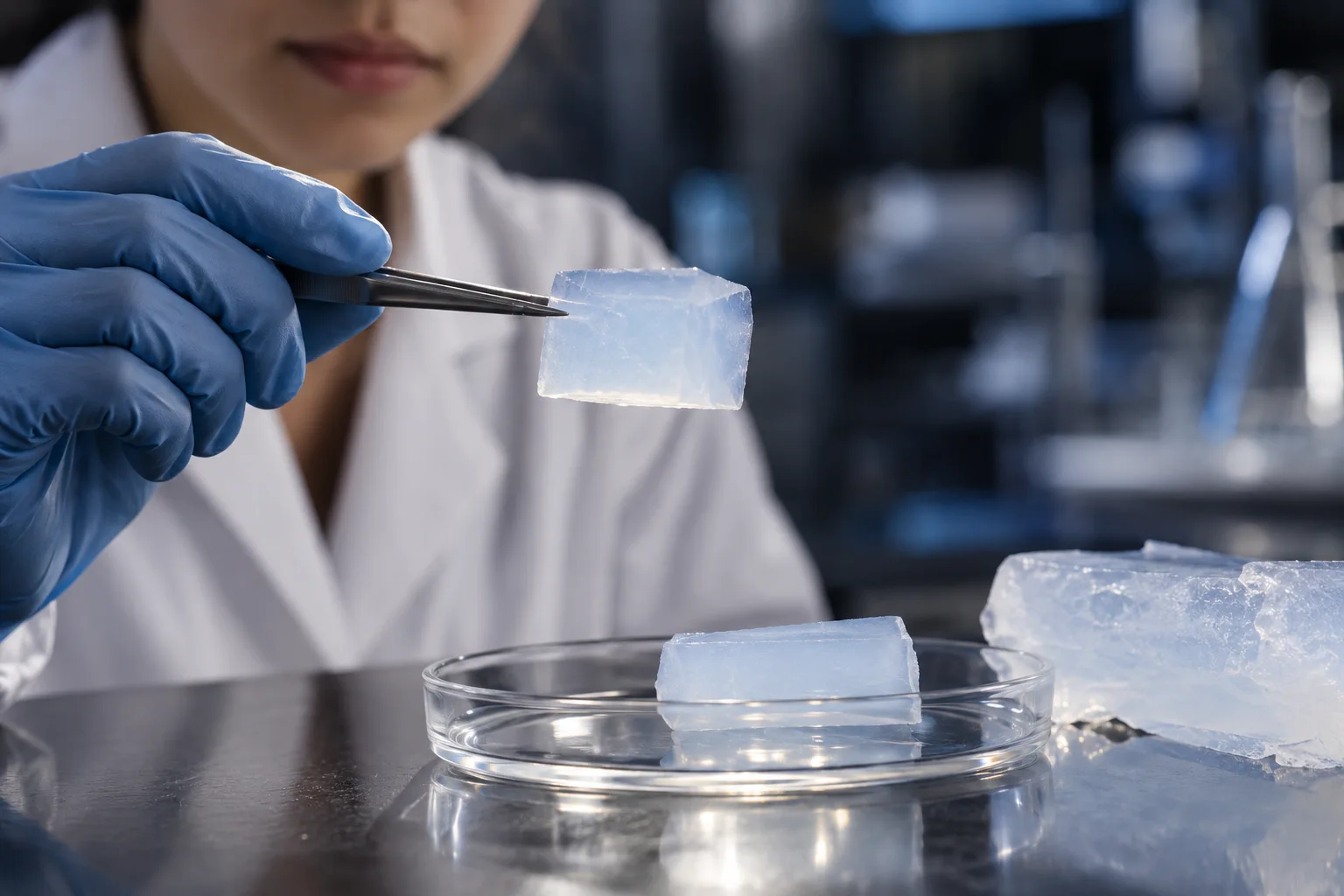
Aerogels are extremely porous, very low-density solids made by removing the liquid from a gel while keeping its solid network intact. Silica aerogels are already used as high-performance thermal insulation and in space missions, but they are brittle and need careful drying to make.
Artificial muscles (soft actuators)
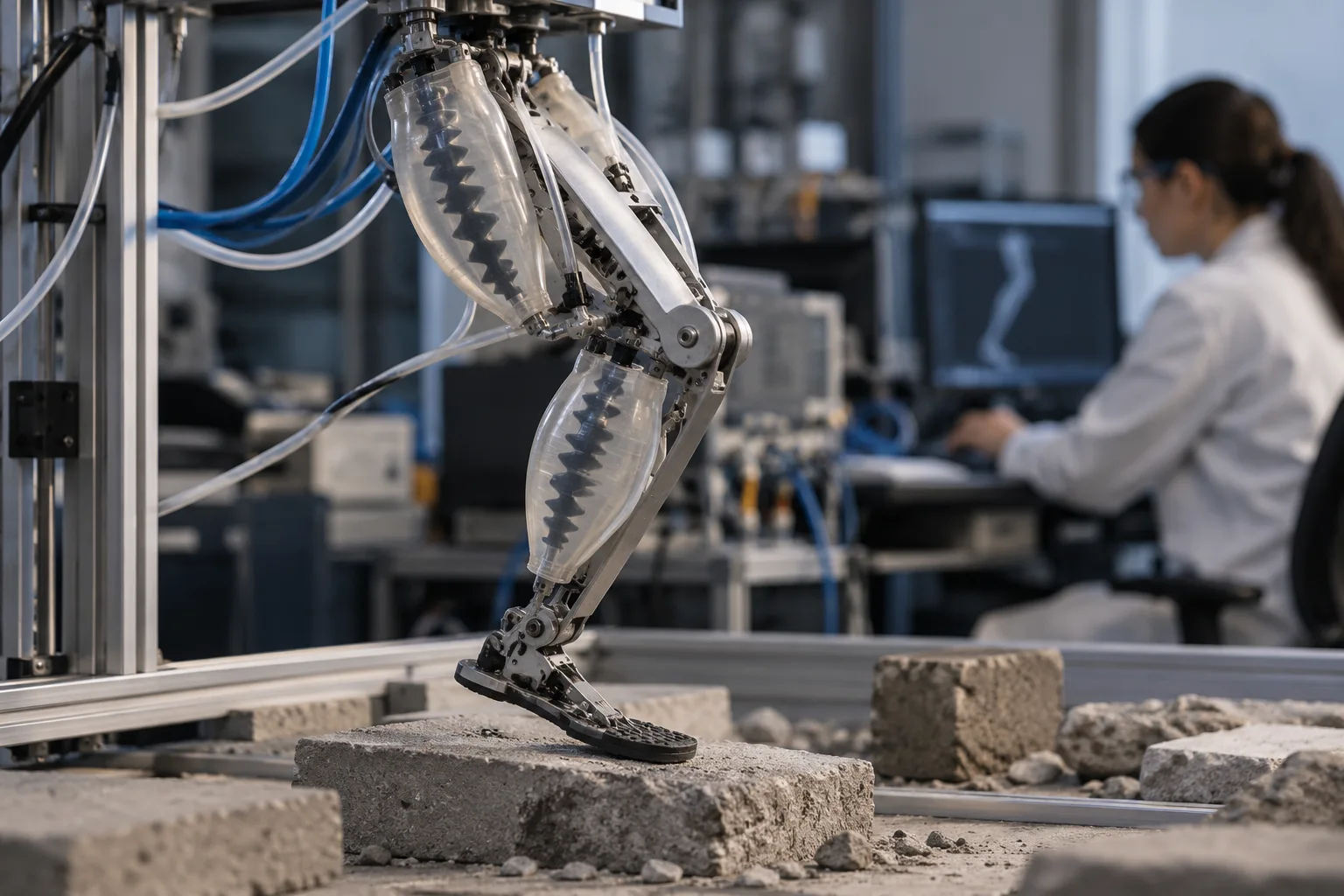
Artificial muscles are soft materials and devices that contract, expand or twist when given heat, electricity or fluid pressure, producing movement in a way that resembles biological muscle. Laboratory systems span heated fibres, pneumatic structures and electrohydraulic or dielectric elastomer actuators. A 2026 dielectric elastomer demonstrated large strain over repeated cycles and recovery after damage, but its repairs required hours of heating and the wider field still faces power, control, safety and scale-up constraints.
Artificial photosynthesis
Artificial leaves are devices that use sunlight to split water into hydrogen and oxygen in one integrated unit. Laboratory modules have reached about 11% solar-to-hydrogen efficiency under one-sun illumination, but durability and outdoor performance at useful scale have not yet been shown.
Atmospheric water harvesting (MOF/sorbent based)
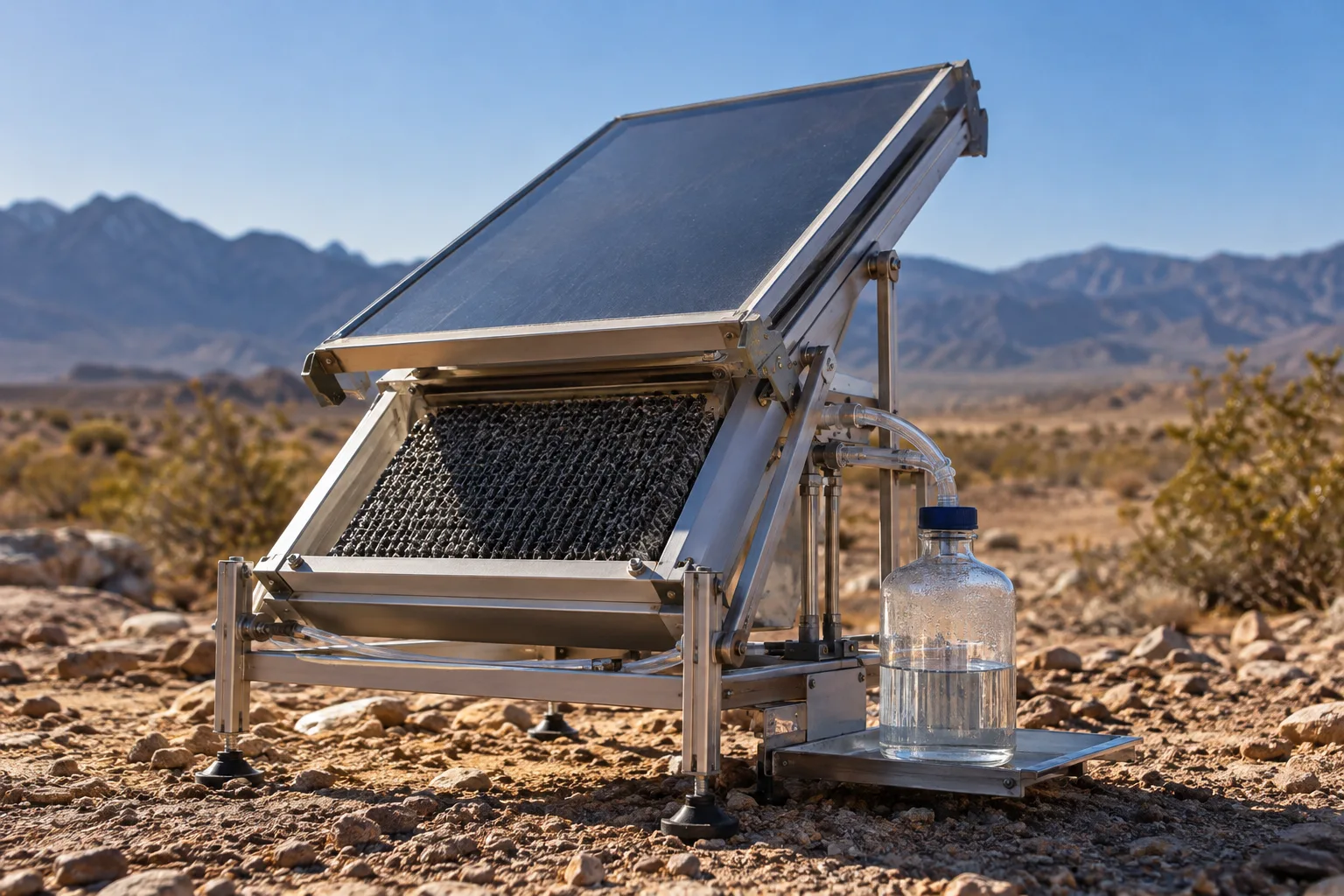
Sorbent-based atmospheric water harvesting captures water vapour in porous materials such as metal-organic frameworks, then releases it for collection as liquid water. Prototypes have operated in desert conditions, including at very low humidity, but measured output depends on sorbent mass, climate and device design. A key bottleneck is moving released vapour to a condenser cool enough to collect it.
Autonomous laboratories
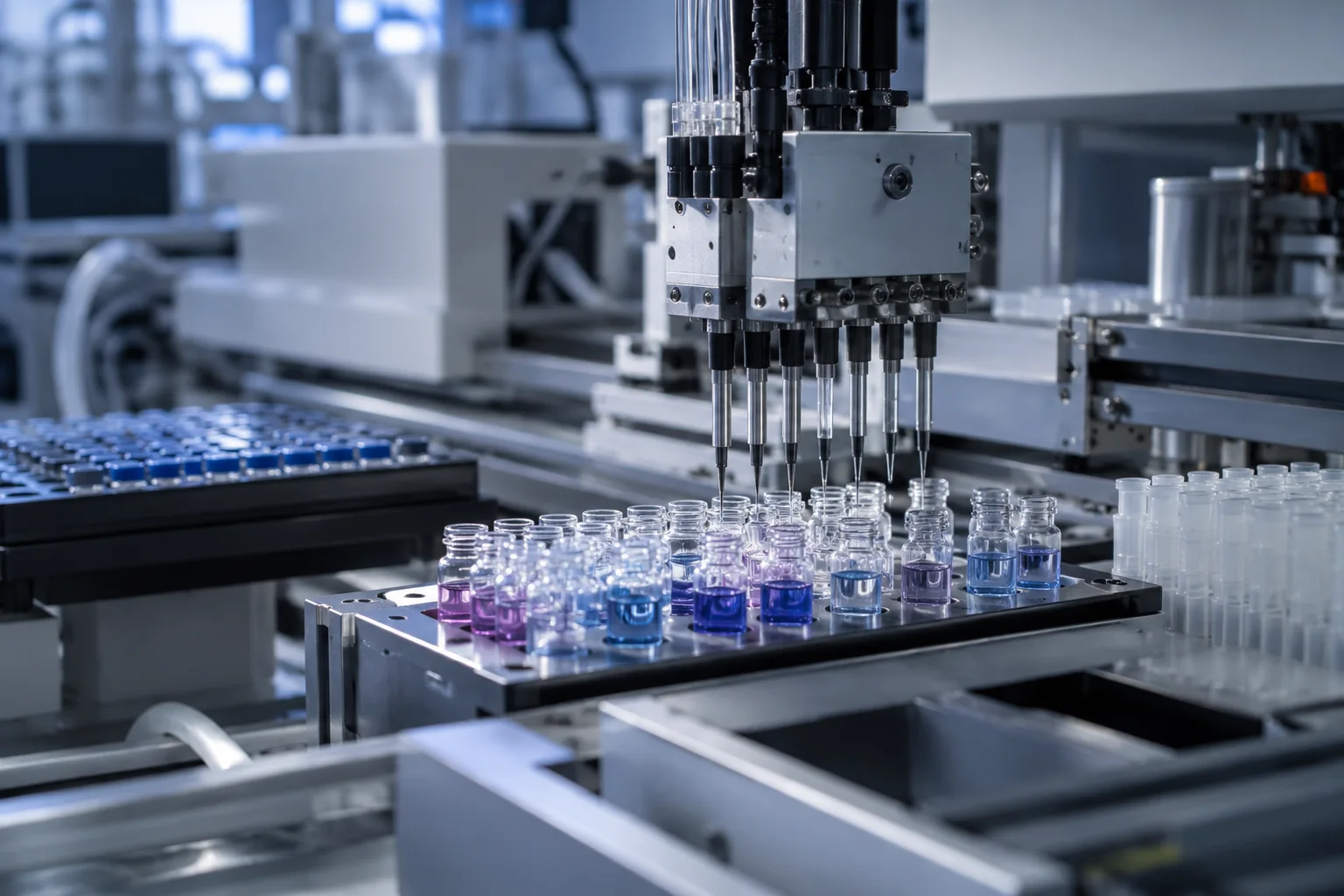
Autonomous laboratories combine automated instruments with software that selects or adapts experiments based on measured results. Research platforms have demonstrated this approach in catalyst discovery, nanoparticle synthesis, inorganic powder synthesis, multi-step fluidic chemistry, protein engineering, exploratory chemistry and optical-material screening. Their autonomy is bounded by human-defined objectives, selected candidate spaces, configured instruments and validation requirements; the examples do not show general-purpose laboratories that independently choose and verify any scientific question.
Bioresorbable (transient) electronics
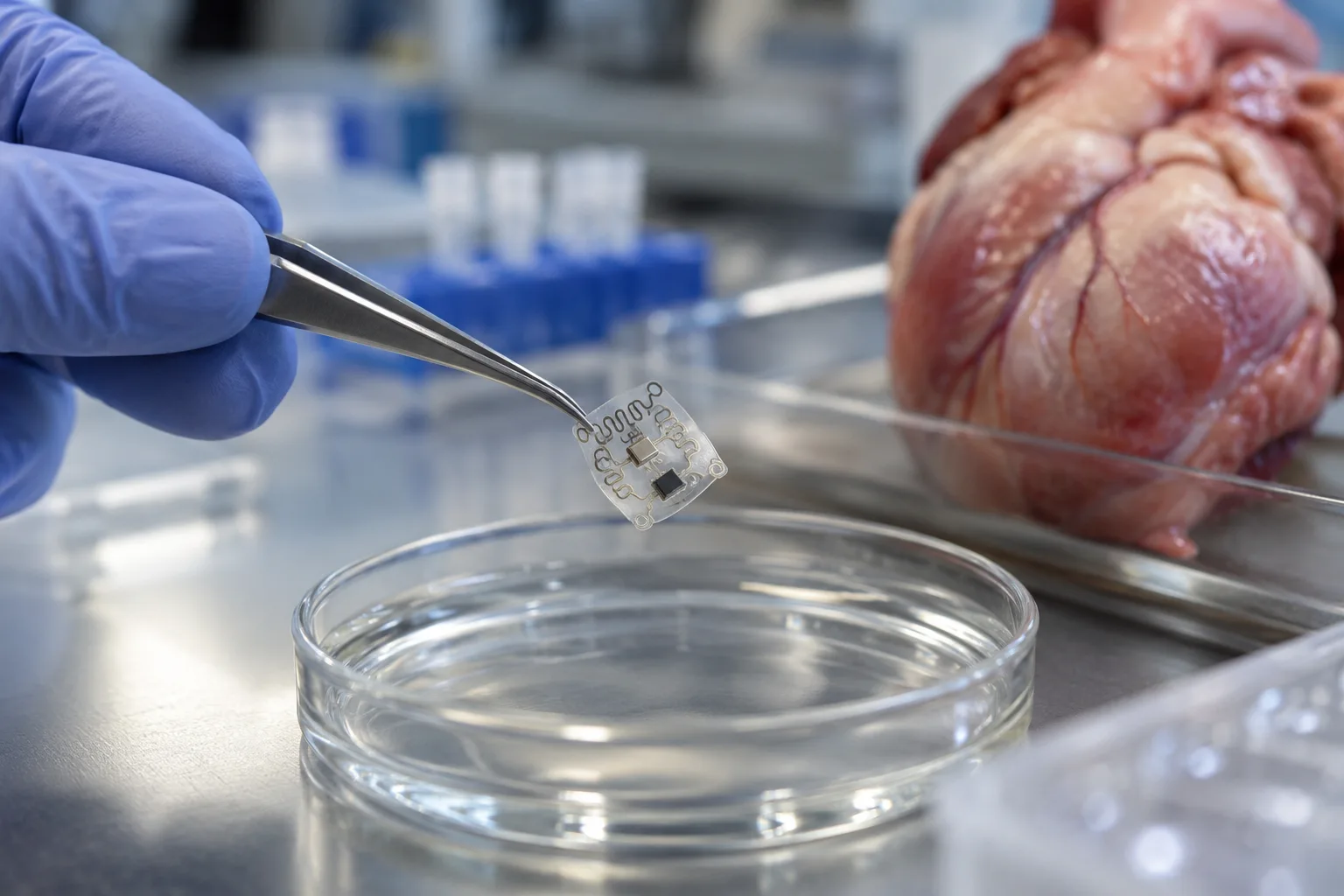
Bioresorbable electronics are working circuits, sensors and stimulators made from materials designed to dissolve in the body after a set time. They aim to provide temporary implants, such as short-term pacemakers or brain pressure monitors, that never need surgical removal.
Carbon-storing building materials
Carbon-storing building materials add carbon-rich biochar to concrete, or cure cement-based products with CO2 so that the gas becomes solid minerals. Pilot and small field trials were reported in 2025, but whether they give a net climate benefit over a full lifecycle is not yet established.
Catalytic converters
A catalytic converter is a device in a petrol car's exhaust that uses a catalyst to turn carbon monoxide, unburnt fuel and nitrogen oxides into less harmful gases. It has been fitted to new petrol cars in the United States since the mid-1970s, and it depends on lead-free petrol.
Direct air capture of CO2
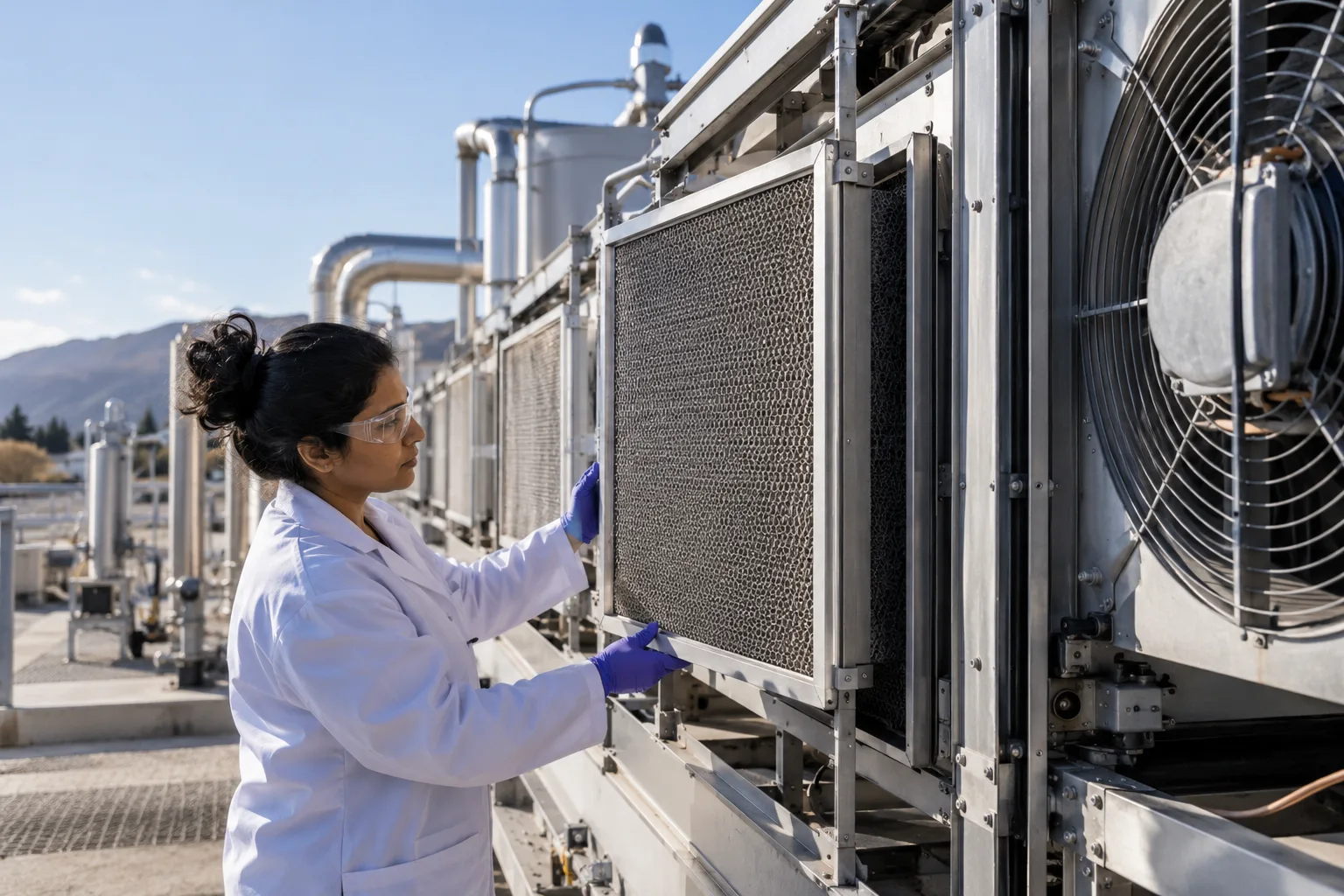
Direct air capture uses chemical sorbents to pull carbon dioxide from ambient air and concentrate it for storage. The technology is at an early commercial stage, and cost per tonne and energy use are the main open questions.
Elastocaloric cooling
Elastocaloric cooling uses mechanical stress to make a shape-memory material warm and cool as its crystal structure changes. Laboratory systems have produced continuous cold air, kilowatt-scale cooling at zero temperature lift, and a small heat-driven device. The results are promising engineering demonstrations, but efficiency, fatigue life, system cost and performance under useful operating conditions remain open questions.
Electronic skin
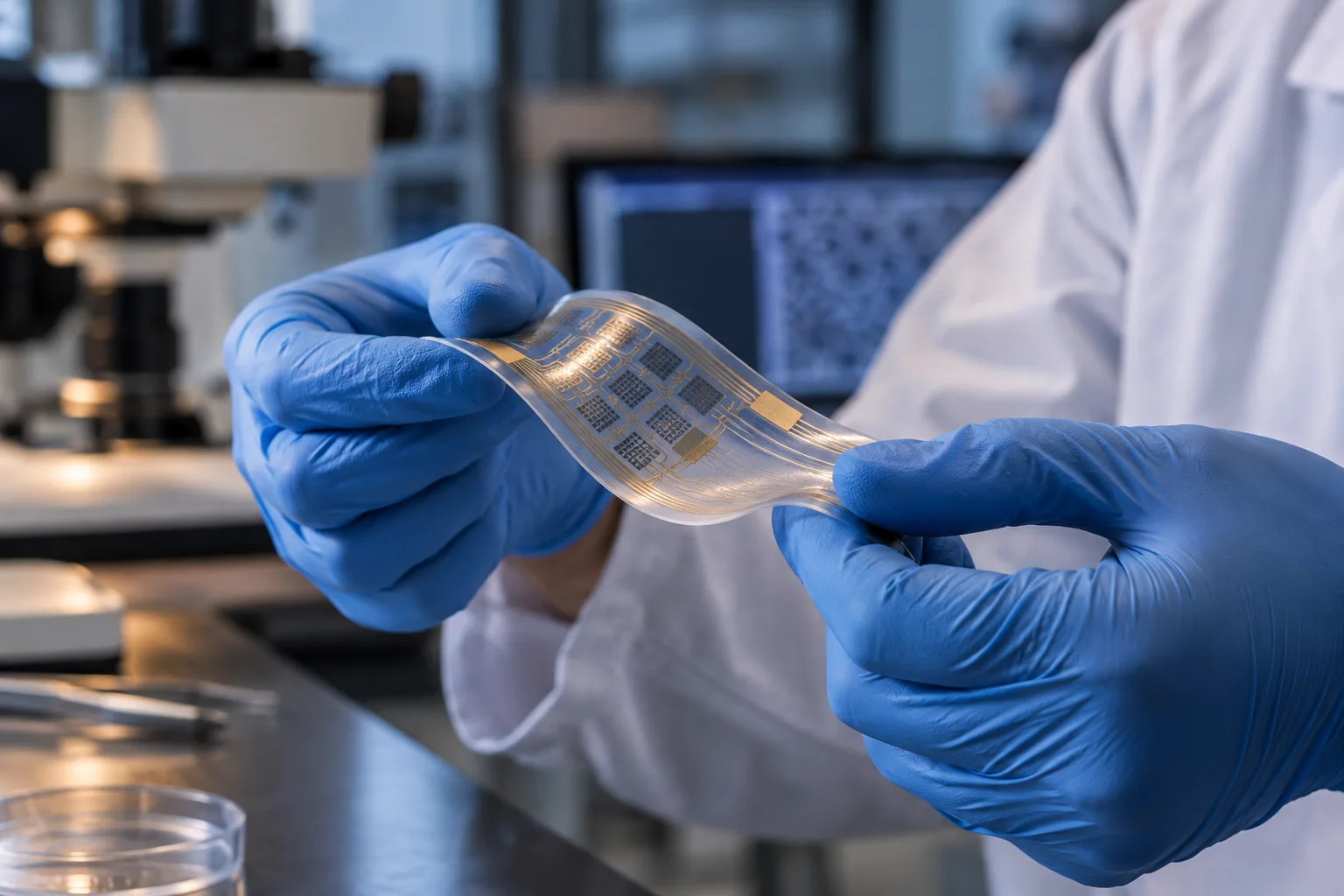
Electronic skin is a family of thin, flexible or stretchable electronic sheets that sense touch, pressure, temperature or body signals in the way human skin does. Laboratory prototypes have shown pressure mapping, skin-mounted health sensing and stretchable transistor circuits. A 2026 study used soft optical waveguides to reconstruct the three-dimensional shape of a sensing sheet, but this remains a research demonstrator rather than a ready-to-wear system.
Engineered living materials
Engineered living materials are materials made with the help of living cells or the structures they produce. A 2024 laboratory study made a stretchable, compostable film from engineered bacterial protein fibres, but the work is at prototype stage and does not show a product that can replace plastic.
Hoverboards
A complete guide to wheeled hoverboards, magnetic levitation and flying platforms: what has been demonstrated, what each approach requires, and what remains speculative.
In-space manufacturing
In-space manufacturing means making, repairing or recycling parts and materials in orbit rather than launching everything from Earth. Early results include optical fibre drawn on the International Space Station, a small semiconductor crystal grown on the China Space Station, and a pharmaceutical crystal form made on a commercial capsule. Most results are reported by the organisations that ran the experiments, only some have been published in peer-reviewed journals, and none has yet been shown to work as a repeatable production process.
Industrial steelmaking
Industrial steelmaking turns molten iron into steel by removing carbon and other impurities. The main methods date from the Bessemer process of 1856 and the open-hearth furnace, and today's routes are the basic oxygen furnace and the electric arc furnace.
Lithium-ion batteries
Lithium-ion batteries store and release electricity by moving lithium ions between two electrodes, and they power electric cars. Their cost and energy density keep changing, but fire risk, dependence on nickel-containing chemistries and recycling that is still developing remains an open limit.
Magnetic levitation
Magnetic levitation uses magnetic forces to support an object without contact. Maglev trains and laboratory demonstrations show that it works, but stable support usually depends on a purpose-built track or supporting structure, so it is not the same as a free-floating board.
Mechanical metamaterials
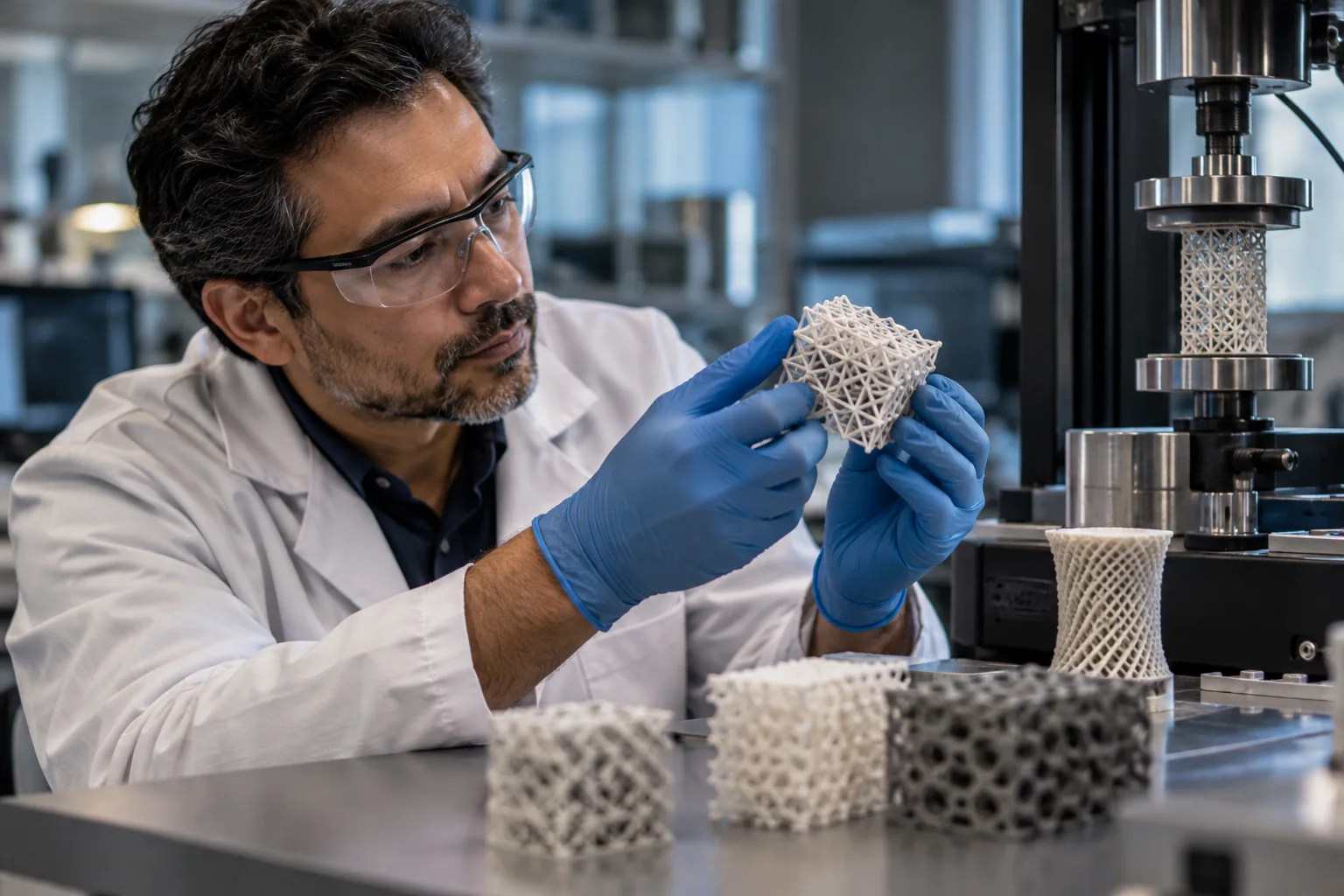
Mechanical metamaterials get their properties mainly from a carefully designed internal structure rather than from the material they are made of. Lab examples include foams that expand sideways when stretched and ultralight lattices with high stiffness, but these are still at laboratory scale.
Metal additive manufacturing
Metal additive manufacturing builds metal parts layer by layer, most often by using a laser to melt fine metal powder. It is already in production for some aerospace parts, but flaws inside printed metal, slow qualification and limited data for many alloys still stop it being used for every critical component.
Metasurface optics and flat lenses
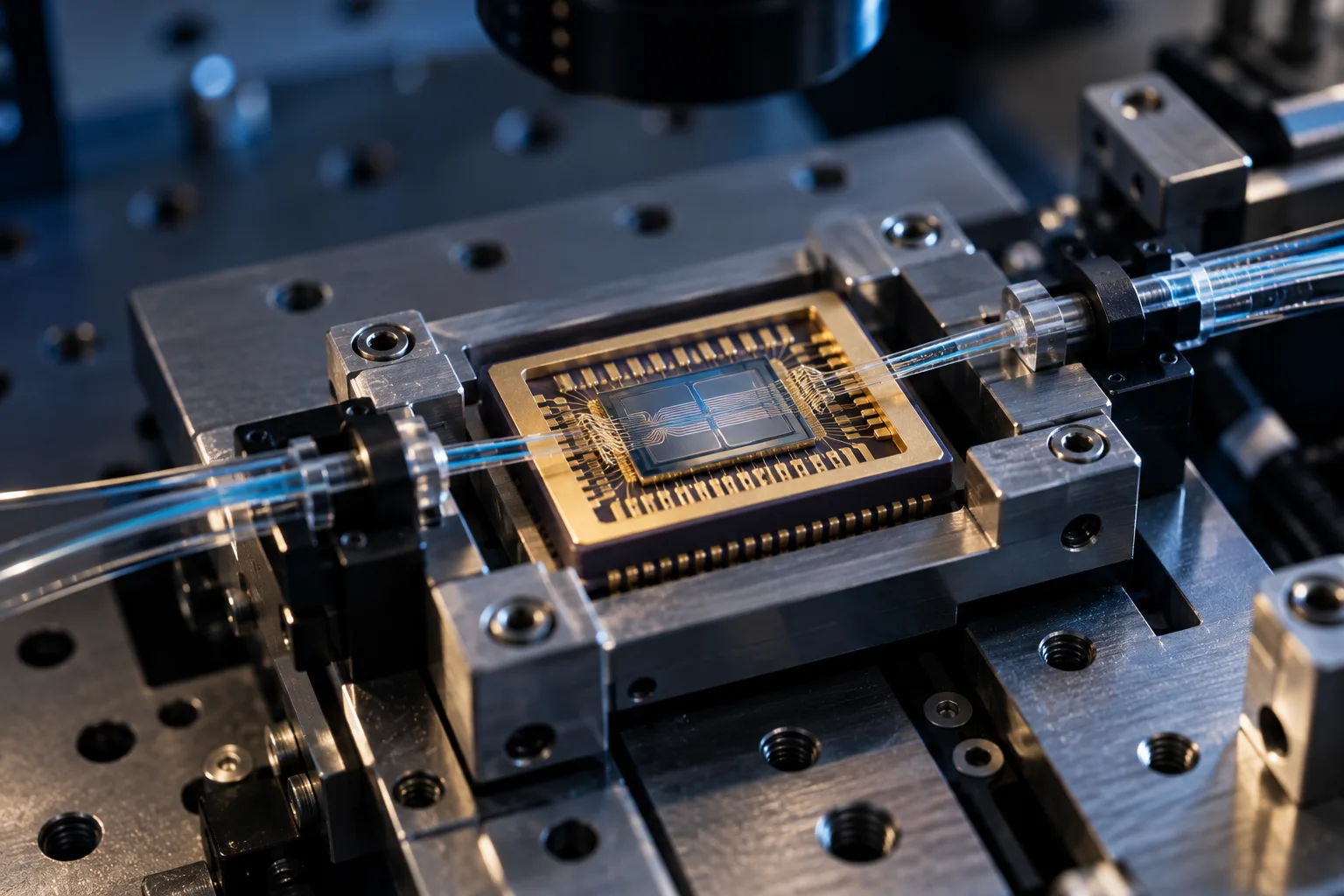
Metasurfaces are flat layers patterned with structures smaller than the wavelength of light, which bend and focus light in place of curved glass. Research metalenses have now focused the full visible spectrum to one point, but they are research prototypes, and the sources reviewed here give no verified commercial performance figures.
Mycelium composites
Mycelium composites are light materials made by growing fungal threads through agricultural or wood waste and then drying the result in a mould. Laboratory studies show workable stiffness, fire screening results and shaping options, but strength, moisture resistance and environmental benefit depend on the specific formulation and use.
Passive daytime radiative cooling
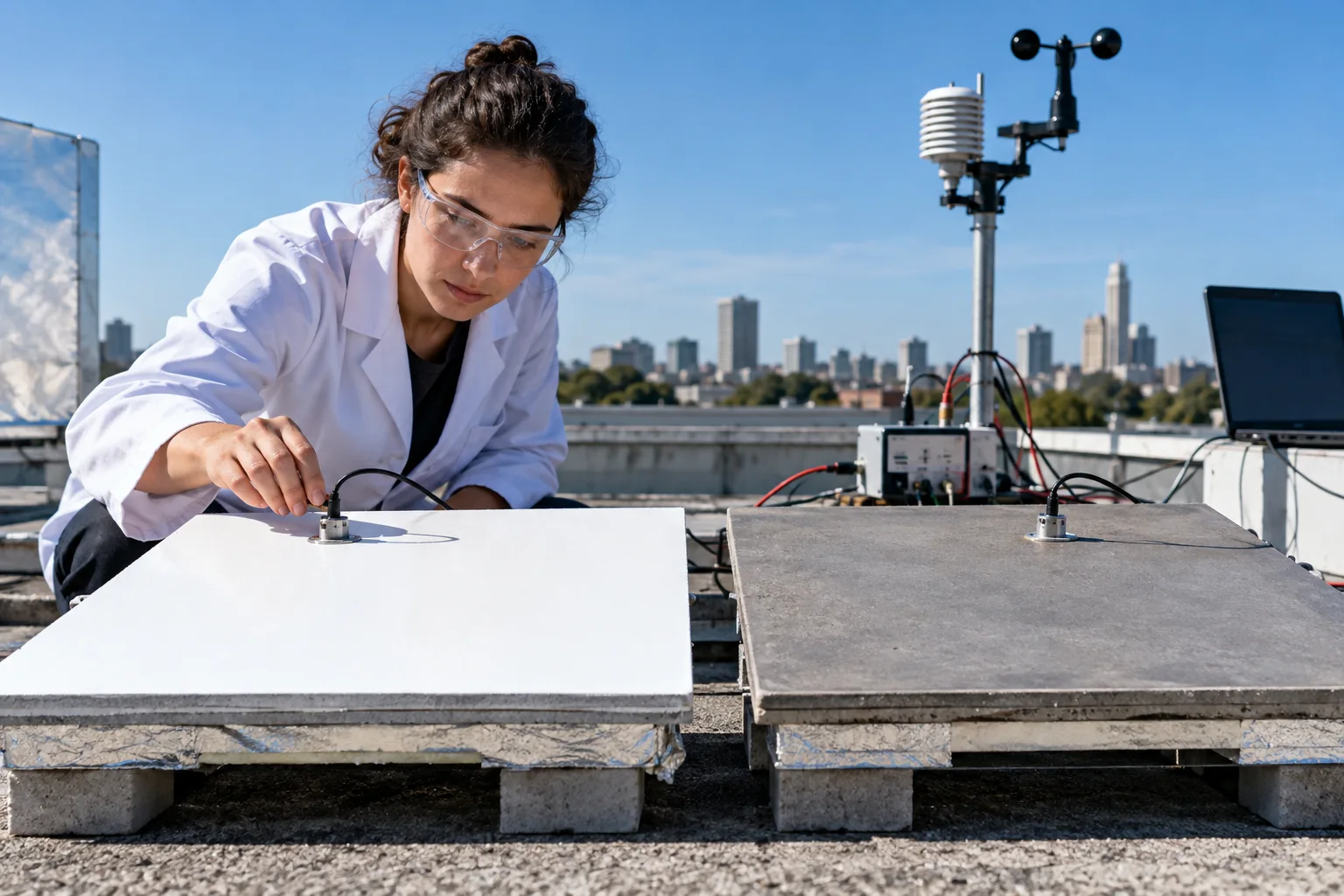
Passive daytime radiative cooling uses surfaces that reflect almost all sunlight while giving off heat as infrared light that escapes through the atmosphere into space. Laboratory and rooftop tests have cooled surfaces several degrees below the surrounding air in full sun without using electricity.
Rolling bearings
Rolling bearings put balls or rollers between a moving part and its support, so the parts roll over each other instead of sliding, which reduces friction. The basic ideas were in place by 1800, but precision manufacture and mass production were still needed to confirm their value. Later work on precision ball grinding and Henry Timken's 1898 tapered roller design made rolling bearings practical for wheels and shafts.
Self-healing polymers
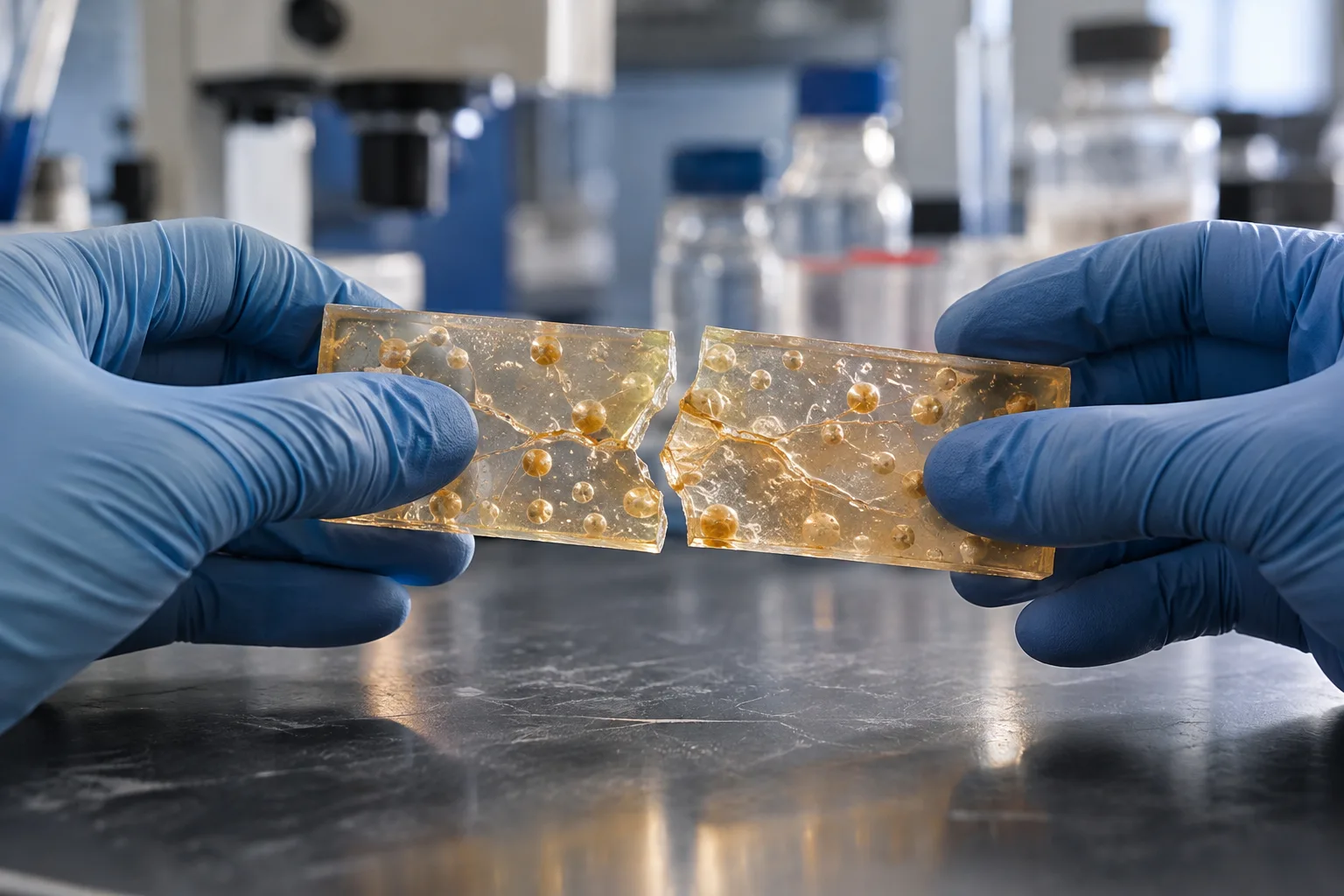
Self-healing polymers are plastics, rubbers and composites that can repair cracks or cuts, either on their own or with a trigger such as heat. Laboratory work since 2001 has shown partial to full recovery of strength in several material families. Bacteria-based concrete has reached full-scale pilots, but most systems remain at the research and prototype stage.
Smart textiles
Smart textiles are fabrics with sensors, displays, memory or batteries built into the yarn or fibre itself. Lab demonstrations from 2021 to 2026 show textile displays, sensing fibres and fibre-shaped chips, and at least one garment with fabric sensors is sold, but washing durability is still hard to compare across studies.
Solar sails
Solar sails are large, very thin reflective membranes that change a spacecraft's speed or orbit using the small, steady push of sunlight rather than fuel. Japan's IKAROS (2010) and NASA's LightSail 2 (2019) showed the method works in space, but the push is very small and the sail must unfold and survive in orbit.
Solid-state batteries
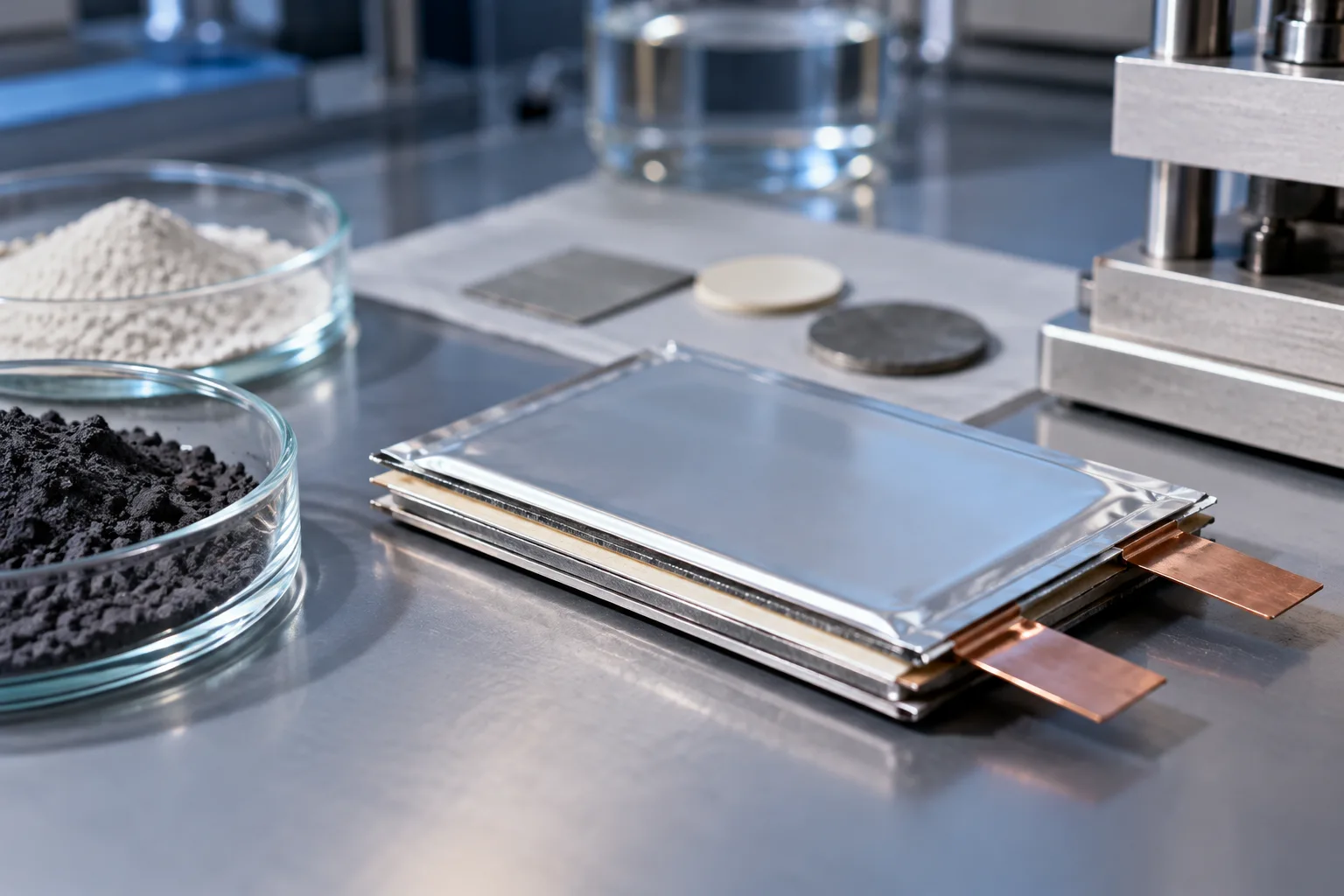
Solid-state batteries replace the liquid electrolyte in a conventional lithium-ion cell with a solid material. The proposed benefits include higher energy density. The sources reviewed here describe materials and processing challenges that remain open, and they give no verified cost figures for commercial cells.
Structural batteries
A structural battery stores electrical energy while also carrying mechanical loads, for example in a composite panel whose carbon fibres act as electrodes. Laboratory cells have reported energy densities from about 30 to 187 Wh/kg, depending on design, electrolyte and mass basis, and high stiffness, but no complete vehicle or aircraft powered by a load-bearing battery structure has been demonstrated in the sources reviewed.
Superconducting power cables
High-temperature superconducting cables can carry large currents through compact conductors when they are kept cold. A small number of cables and fault-current limiters now run in real grids, but these are specialised links rather than a superconducting grid.
Thermoelectric generators
Thermoelectric generators turn a temperature difference directly into electricity with no moving parts. Radioisotope versions have powered spacecraft and Mars rovers, while wearable and waste-heat versions remain limited by low conversion efficiency and small usable temperature differences.
Thin-film lithium niobate photonics
Thin-film lithium niobate is a chip platform in which light is guided and switched in a thin layer of an electro-optic crystal. Laboratory modulators have carried data at up to 210 gigabits per second, and the same platform makes frequency combs, but commercial foundry supply is only starting and most company performance figures have not been independently checked.
Topological qubits
Topological qubits aim to store quantum information in Majorana zero modes, which could make the stored information less sensitive to local noise. Microsoft's 2025 Majorana 1 announcement and parity-readout paper are contested, and the existence of a working topological qubit is not yet established.
Transparent wood
Transparent wood is wood in which the light-absorbing lignin has been removed or chemically modified and the open porous structure is filled with a clear polymer, so that light can pass through. Laboratory samples reach up to about 90% total transmittance, but high haze, limits on thickness and unproven outdoor durability keep it at research and prototype stage.
Vulcanised rubber and pneumatic tyres
Vulcanisation, a process that heats rubber with sulphur, was patented by Charles Goodyear in 1844. Air-filled rubber tyres were patented by Robert William Thomson in the 1840s, and John Boyd Dunlop made a practical air-filled tyre in 1888.
How far away are we?
3D-printed homes as a normal way to build
Pilots · 4 of 7 steps done

A space elevator
Science unproven · 2 of 9 steps done
Buildings cooled without using power
Pilots · 1 of 6 steps done
Buildings that lock away carbon
Pilots · 2 of 6 steps done
Cars and planes whose body is the battery
Science demonstrated · 2 of 6 steps done
Clothes that monitor your health
Pilots · 4 of 8 steps done
Computer chips built from atom-thin materials
Engineering prototypes · 2 of 7 steps done
Drinking water pulled from dry air
Engineering prototypes · 4 of 8 steps done
Electricity from waste heat
Engineering prototypes · 4 of 8 steps done
Materials that grow and repair themselves
Engineering prototypes · 4 of 8 steps done
Moving objects with sound
Engineering prototypes · 6 of 10 steps done
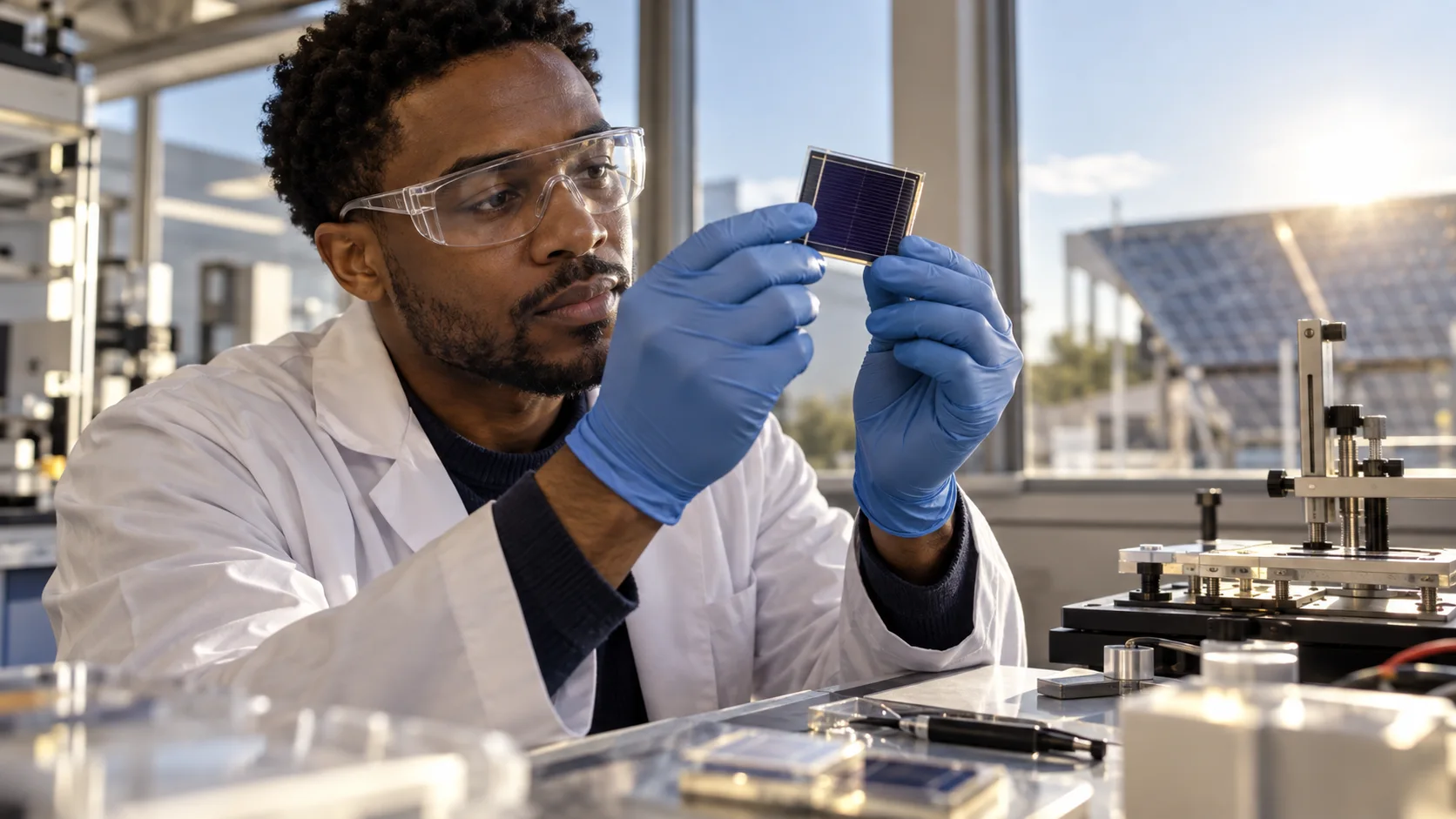
Perovskite solar panels on everyday roofs
Pilots · 3 of 7 steps done
Power cables with zero resistance
Pilots · 4 of 7 steps done
Products that heal their own cracks
Pilots · 5 of 8 steps done
Real hoverboards
Engineering prototypes · 3 of 8 steps done
Robots as thin as paper
Engineering prototypes · 3 of 6 steps done
Room-temperature superconductors
Science unproven · 1 of 7 steps done
Windows and panels made of transparent wood
Engineering prototypes · 3 of 9 steps done
Breakthroughs
Metalens arrays split one femtosecond laser into more than 120,000 focal spots for parallel nanoscale 3D printing
The team split a femtosecond laser into more than 120,000 focal spots using arrays of metalenses. A spatial light modulator adjusts the intensity of each spot in real time. The spots wrote 3D structures at the same time over centimetre-scale areas, and the reported minimum feature size was 113 nm in the demonstrated structures. The Lawrence Livermore National Laboratory (LLNL) release states that the throughput is more than a thousand times that of commercial systems. The work also printed 16 different microscopic chess openings and produced tens of millions of micro-particles per day.
Automated platform optimises nanoparticle synthesis across hundreds of experiments
The platform combined GPT-based literature retrieval, automated synthesis and characterisation, and an A*-based optimisation loop. Researchers applied it to Au, Ag, Cu2O and PdCu nanoparticles. For multi-target gold nanorod synthesis, the study ran 735 experiments to optimise longitudinal plasmon peaks across 600–900 nm; it also reports 50 experiments for gold nanospheres and silver nanocubes. Under repeated identical gold-nanorod parameters, peak and full-width-at-half-maximum deviations were no greater than 1.1 nm and 2.9 nm, respectively.
Preprint: graph-based design tool tunes 3D woven lattices for stiffness and stretch
Microscale in situ tension experiments and computational models on 3D woven lattices, built with a new graph-based design framework, showed anisotropic stiffness that varied by more than an order of magnitude and stretchability up to a stretch of four, according to the abstract. The authors also report programmable failure patterns. The abstract gives no sample dimensions, base material or test conditions.
Millimetre-scale bioresorbable pacemaker is controlled by light and dissolves after use
A team led by Northwestern University built a millimetre-scale bioresorbable optoelectronic pacemaker with an onboard power supply and wireless optical control, small enough for injection or endovascular delivery. The devices paced effectively in mouse, rat, pig, dog and human cardiac models at single and multiple sites. Paired with a skin-mounted wireless unit, they ran in closed loop, pacing on detection of arrhythmias.
Fudan team builds a 32-bit RISC-V microprocessor from 5,900 MoS2 transistors
Researchers at Fudan University fabricated a RISC-V microprocessor that executes standard 32-bit instructions using 5,900 transistors made from the two-dimensional semiconductor molybdenum disulfide (MoS2), together with a standard cell library of 25 logic unit types, by co-optimising the process flow and circuit design. Previous 2D semiconductor circuits had reached only a few hundred transistors.
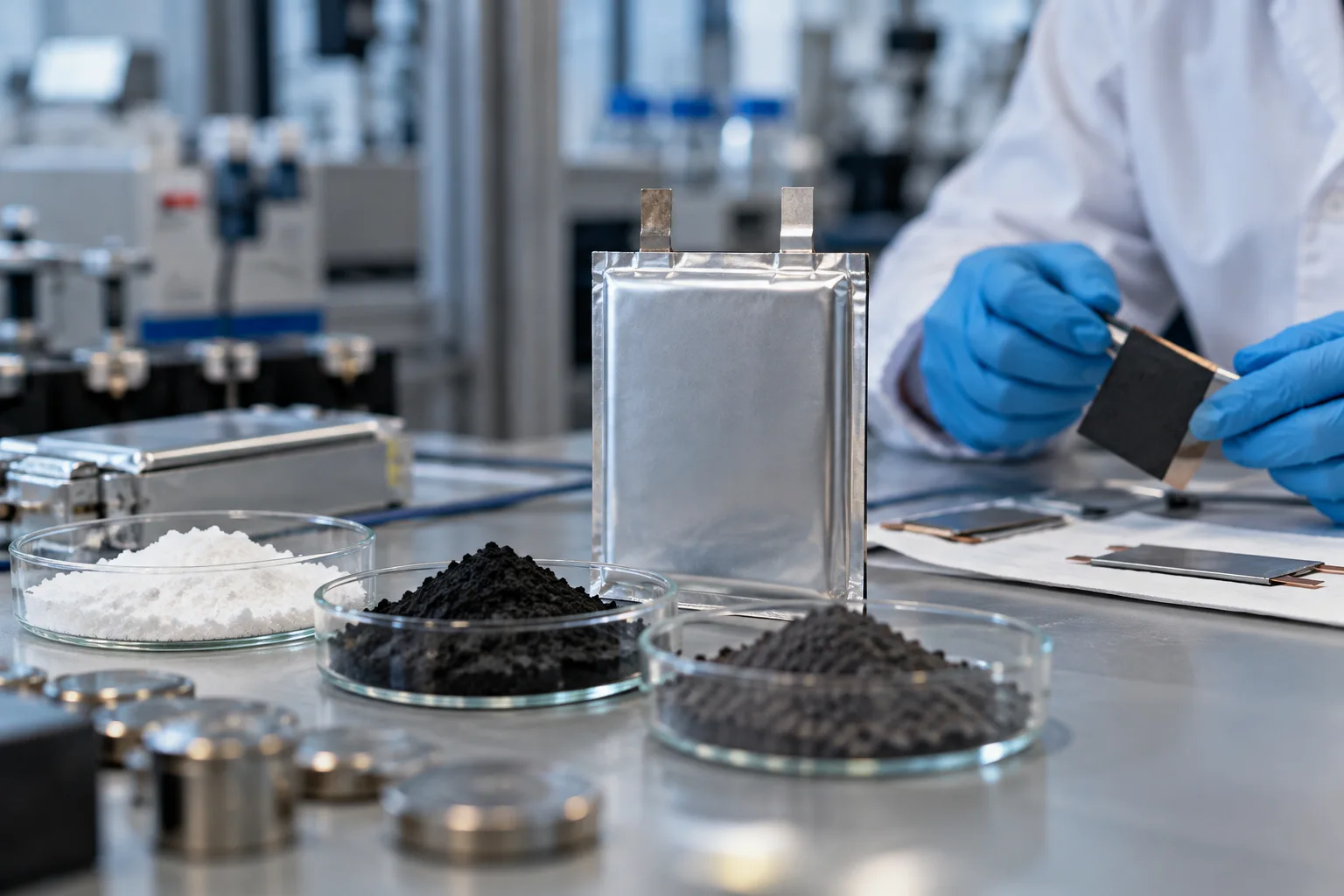
Heat-responsive gel electrolyte raises thermal-runaway onset in sodium-ion pouch cells
The researchers formed a smart gel polymer electrolyte in hard-carbon||NaNi1/3Fe1/3Mn1/3O2 sodium-ion cells. In the reported pouch-cell calorimetry, the thermal-runaway onset increased from 137.2 °C to 177.4 °C under the study protocol. A full cell with a 14 mg/cm2 positive-electrode mass loading retained 80% of capacity after 500 cycles at 50 °C. Above 120 °C, additional polymer crosslinking was designed to impede ion transport.
Cycling titanium dioxide forms rocksalt nanograins for sodium-ion storage
In laboratory sodium half-cell tests, electrochemical cycling converted anatase or amorphous TiO2 through an amorphous stage into rocksalt NaTiO2 nanograins. After 20 pre-cycles, the c-a′-RS-NaTiO2 electrode delivered 253 mAh/g at 0.1 A/g and retained 72% capacity after 5,000 cycles at 2 A/g. The paper also assembled TiO2(A)||Na3V2(PO4)3 full cells and reported electrochemical activation during cell ageing.
Hemp-based mycelium composite measured at 40 mW/(m·K) thermal conductivity
In a laboratory study, mycelium biocomposites made from hemp shives, with the fungus Trametes versicolor, had a thermal conductivity of 40 mW/(m·K) according to the abstract. The results text gives an average of 40 to 41 mW/(m·K) for the hemp group, the lowest group average among the four substrate groups tested (twelve variants in total). Conductivity was measured with a heat flow meter to ISO 8301:1991 on 200 × 200 × 30 mm specimens (three per variant). The three hemp variants had densities of 0.09 to 0.14 g/cm³ and bending strengths of 0.10 to 0.15 MPa.
Angularly asymmetric emitter cools a vertical surface below ambient in peak sunlight
A hierarchically designed, angularly asymmetric, spectrally selective thermal emitter mounted vertically reached about 2.5 degrees C below ambient temperature under peak sunlight of about 920 W per square metre. This was about 4.3 degrees C cooler than a silica-polymer hybrid radiative cooler and 8.9 degrees C cooler than commercial white paint under the same conditions.
COF-999 captures carbon dioxide from open air over more than 100 cycles
An olefin-linked covalent organic framework with polyamines grown in its pores (COF-999) took up 0.96 mmol of CO2 per gram under dry conditions and 2.05 mmol per gram at 50% relative humidity, both from 400 ppm CO2. It reached half capacity in 18.8 minutes, regenerated at 60 degrees C, and retained full performance over more than 100 adsorption-desorption cycles in the open air of Berkeley, California.
Robotic leg driven by electrohydraulic artificial muscles hops over varied terrain
ETH Zurich and Max Planck Institute for Intelligent Systems researchers built a musculoskeletal leg driven by antagonistic pairs of electrohydraulic (HASEL) artificial muscles. Mounted on a boom arm, it moved at gait frequencies above 5 Hz, jumped up to 40% of its own height and hopped over grass, sand, gravel, pebbles and large rocks using open-loop force control. It had a cost of transport of 0.73 and, while squatting, used about 1.2% of the energy of a conventional electromagnetic counterpart. It also detected obstacles through capacitive self-sensing.
NASA reports its ACS3 solar sail deployed in orbit in August 2024
NASA reported on 29 August 2024 that the Advanced Composite Solar Sail System (ACS3), launched on 23 April 2024, was fully deployed in space after a successful test of its sail-hoisting boom system. NASA gives the unfurled sail as approximately 80 square metres (860 square feet), about 9 metres (30 feet) on a side. The NASA mission page describes two booms, each about 7 metres (23 feet) long, made from flexible polymer and carbon fibre materials. NASA says the primary objective is to deploy a new type of boom. A NASA update dated 5 September 2024 said the spacecraft was slowly tumbling, as expected, because its attitude control system was off, and that the team would re-engage that system after characterising the booms and sail.
Anode-free all-solid-state sodium cell cycles for several hundred cycles
Researchers at UC San Diego and the University of Chicago built a sodium anode-free all-solid-state full cell in which sodium metal plates directly onto an aluminium current collector made of compressed aluminium particles. Using an electrochemically stable solid electrolyte and applied stack pressure, the cell showed stable cycling for several hundred cycles in laboratory tests.
Fin-array water harvester prototype projects 5.8 litres per kg per day
A 10-fin prototype, made from a copper sheet between copper foam layers and coated with AQSOA Z02 zeolite, was tested at small scale. Adsorption reached saturation within 30 minutes in experiment and simulation, and condensate was collected, with heat losses and a lag between vapour generation and collection noted. The authors project that a 1 litre bed holding 230 g of sorbent would yield 5.826 litres of water per kg of sorbent per day at 30% relative humidity, or about 1.3 litres per day per device. These yield figures are modelled and extrapolated from the small prototype, not measured at full size. Desorption was tested experimentally with cartridge heaters in a sealed enclosure, and simulated at 90 degrees C using high-density waste heat, which was not tested.